Session Description
The world is witnessing a concentration of innovation in an ever-smaller number of cities. There is a race on to become an established leader, in the way that Boston has become a powerhouse in life sciences.
This GEN Global Assembly workshop invites you to think critically on the role of innovation cities as a vehicle for solving pressing challenges facing humanity, the path each city took to their dominant position, and what global cities may wish to consider as they chart their futures, namely, the strategy around 3rd generation “challenge hubs” to define and refine a unique focus in which a city may have a “right to win.”
Participants will work in small groups to apply these principles to real-world opportunities for cities to catalyze change, activate local economies and entrepreneurial ecosystems, and improve the world.
Workshop participants can expect:
- an overview of the state of play for global innovation cities: what they are, and how they became an epicenter of change in one or more fields, including innovation hubs by size and field, and the cities with noteworthy plans to enter that circle.
- small-group work on real cities to sketch out a plan based on that city’s natural and built resources, leveraging the tools highlighted in the class; and
- interactive discussion on frameworks for the innovation strategies cities are pursuing, with real examples of successful approaches, and blueprints for replicating this.
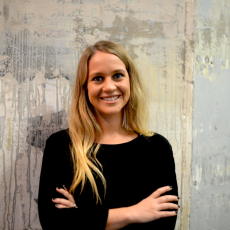
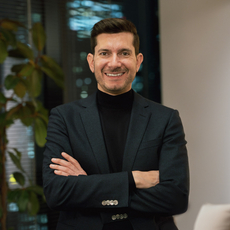
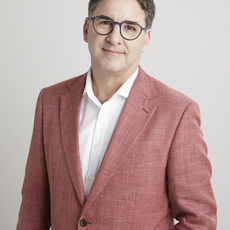
The session will be led by CIC Founder and CEO, Timothy Rowe, who will be joined for the breakout sessions by his colleagues, Victor Mulas, Chief Innovation Officer at CIC, and Alejandra Winter, Director of CIC Connect.
About the GEN Global Assembly
The GEN Global Assembly (GGA) brings together diverse experts and practitioners from around the world to brainstorm strategies and learn skills for strengthening the global entrepreneurial ecosystem. To kick off the GEC, the immersive GGA workshops will provide the tools and insights to help us build thriving entrepreneurial ecosystems together around the 2025 themes, including "The World Needs More Entrepreneurs."
The World Needs More Entrepreneurs
The world needs more individuals experimenting, launching, and scaling ventures. This track will focus on how to inspire more people to take this path, thereby increasing the number of people using entrepreneurial support organizations (ESOs) and getting started.
About CIC
CIC builds and operates a global network of innovation campuses where startups, scale-ups, corporations and public entities connect, work, and grow. Founded in 1999, CIC manages 1.5 million square feet of innovation-focused workspace, laboratories, and event space across North America, Europe and Asia. Additionally, CIC develops bespoke programming, builds and enables industry clusters, and provides world-class district consulting—all focused on advancing innovation.
Session Recap
(AI-generated session recap made available by Google NotebookLM)
Want your city or region to be a global leader in innovation? This session delves into the strategic steps and mindset needed to build a thriving innovation ecosystem that attracts talent, investment, and solves real-world problems. Learn how cities can move beyond historic industries to claim leadership in fast-growing new sectors by creating intentional, specialized innovation hubs.
1. Brief Summary
In this insightful session, Tim Rowe shared principles and examples gathered over 25 years of building innovation hubs worldwide. The core idea is that for a city or region to become a globally recognized innovation leader, it must choose a specific area to be known for and take concrete, intentional action to build a supportive ecosystem. This involves creating physical innovation hubs, fostering collaboration, attracting startups, investors, and customers, and often requires leading with ambition rather than just relying on existing strengths. The session outlined different types of innovation hubs and levers cities can use to attract innovators, concluding with a practical exercise for attendees to envision their region's innovation future.
2. Outline
- Introduction of Tim Rowe and Session Goals
- Discussing the concept of globally recognized cities known for specific industries (Movies: LA/Hollywood, Finance: New York/London/Singapore, Automotive: Detroit).
- Importance of Startups for a city's future economic health, given that established companies have limited lifespans.
- Lessons from Hollywood's origins: Cities can claim leadership in new, unclaimed industries.
- Case Study: St. Louis's evolution from aviation (McDonald Douglas) to exploring new areas like agriculture (Bayer/Monsanto) and becoming a leading venture capital city for agtech.
- The role of physical innovation hubs as a core draw for innovation districts.
- Cambridge Innovation Center (CIC) model: Providing flexible, affordable space and shared resources for startups, like Lab Central (life sciences wet lab) and Mass Robotics.
- Physical Proximity Matters: Research shows collaboration and innovation significantly increase when people are physically close, ideally in the same building.
- Historical example: Charles Williams' building in Boston (1870s) housing Alexander Graham Bell and Thomas Edison, demonstrating early innovation hubs fostering community and collaboration.
- Global examples of innovation hubs (Station F in Paris, Launchpad in Singapore, CIC locations).
- Types of Innovation Hubs:
- General Innovation Hubs: For major cities with existing startup ecosystems.
- Industry Innovation Hubs: Focused on a broad industry (e.g., automotive, climate tech), like The Driver in Berlin or Greentown Labs.
- Focused Hubs: Specializing in a narrow niche within an industry (e.g., graphene in Manchester UK, regenerative medicine in Manchester NH, housing innovation), recommended for emerging areas or smaller populations.
- Choosing a focus: Lead with Ambition, not just current strengths, envisioning the future. Example: Housing innovation as a large, unclaimed market.
- Levers for Attracting Innovators:
- Customer Lever: Marshalling large customers (governments, major corporations) willing to buy or prototype solutions from hub companies. Examples: Riyadh's housing needs, New York's sewer maintenance.
- Equipment Lever: Providing access to expensive, specialized equipment. Examples: Nuclear fusion or quantum technology facilities.
- How doing this well attracts buyers, global innovators, and investors.
- University-built hubs vs. broader innovation hubs.
- Best Practices: Ensure hubs are neutral (not dominated by one company or investor), beautiful, and places where people gather (hardware and software elements).
- Action Item: Participants write a retrospective story (5-10 years out) about their region becoming globally known for something, followed by group brainstorming and sharing.
- Sharing of participant ideas (Rail technology, Drones/Sea Drones, Disaster Recovery/Resiliency, Fashion Innovation/Garment Industry, Agrochem and Biotech).
- Financing typically comes from the public sector (city, state, national), sometimes philanthropy, rarely single corporations (due to neutrality needs). Showing what competitors are doing can help secure funding.
3. Notable Quotes
- "So our goal is that your regions, your places become the place that people aspire to go to to pursue a certain kind of innovation."
- "The key here is concentrating innovators, lots and lots of innovators in one place, right?"
- "understand that these things are not just about buildings. They're about what happens in the buildings... It's what you do in it, how people connect, who's there, all of those things."
4. Key Takeaways
- Specialization is Key: To stand out globally, a city or region needs to be known for a specific type of innovation, particularly by focusing on a niche area (a 'Focused Hub') rather than attempting a broad, general approach unless already a major global city.
- Be Intentional & Action-Oriented: Becoming an innovation city isn't just marketing; it requires concrete actions, starting with establishing a physical hub as a core draw to concentrate innovators and resources.
- Lead with Ambition: When choosing a focus, look beyond your current economic strengths towards future ambitions and emerging fields that haven't been claimed yet, potentially addressing major challenges like housing or climate change.
- Leverage Ecosystem Magnets: Attract startups and talent by offering compelling reasons to be in your city, such as guaranteed customers, access to unique, expensive equipment, or a vibrant community that fosters collaboration.
- Foster Neutral, Collaborative Spaces: The most successful innovation hubs are seen as neutral ground for the entire ecosystem, beautiful and active places that encourage spontaneous interaction and access for diverse participants.
5. Resources Mentioned
- Tim Rowe's email address: rowecic.com
6. Action Items
Attendees were asked to:
- Write a story looking back from 5 or 10 years in the future, describing how their chosen region became globally known for a specific innovation area.
- Brainstorm ideas for their region in small working groups.