Speakers

Executive Director
Sports Tech HQ

Head of Marketing
Sports Tech HQ
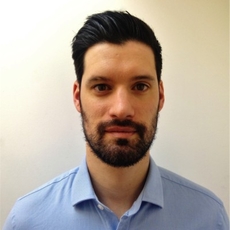
COO & Director of Sport Science
ai.io

With the right support ecosystem, lab discoveries can become thriving ventures. Designed for entrepreneurs, investors, ecosystem builders, and researchers, this panel offers actionable insights and valuable connections for those looking to navigate the commercialization journey and accelerate life sciences innovation.
Join us to explore:
Alzheimer's Disease and Brain Health Ecosystem
Brief Summary
This session highlighted the critical challenge of Alzheimer's disease, which already affects millions and is projected to double by 2050, posing significant threats to families, social systems, and financial systems globally. While historically difficult to diagnose early and lacking effective treatments, the field is currently at an inflection point due to recent innovations. The discussion centered on the unique and capital-efficient ecosystem in Indiana, particularly at Indiana University (IU) and IU Health, which fosters seamless collaboration between basic research, translational science, clinical care, and industry, enabling faster progress from lab discoveries to patient treatments. Key innovations like next-generation animal models, targeted therapies, and the Brain Health Navigator program demonstrate a patient-focused approach aimed at early, accurate diagnosis and streamlined access to care and clinical trials. Despite challenges in integrating new tools and obtaining reimbursement, there is significant hope driven by scientific advancements, increased investment interest, and a growing openness to discussing brain health.
Outline
• The Global Challenge of Alzheimer's Disease:
◦ Affects 6 million Americans, projected to double by 2050.
◦ Impacts families, social systems, and financial systems.
◦ Historically, diagnosis was late, often 10–20 years after pathology began.
◦ Need to catch the disease early, like cancer at stage one.
• Indiana's Unique Ecosystem:
◦ A strong bench-to-bedside model at IU.
◦ Collaboration between academia, industry (Eli Lilly, Monument Biosciences), and clinical care (IU Health).
◦ IU ranks #6 in NIA funding nationally.
◦ Synergy between the medical school and health system leadership.
◦ Capital-efficient environment compared to coastal hubs.
◦ Strong manufacturing capabilities and infrastructure contribute to the life sciences sector.
• Advancements in Research and Diagnosis:
◦ Shift from brain biopsy to PET imaging for diagnosis.
◦ Development of next-generation mouse models (Model AD Center) to better represent sporadic Alzheimer's.
◦ Focus on emerging pathways like inflammation (Treat AD Center).
◦ Development of an industry-scale drug discovery team within academia.
◦ Need for new mechanisms of action, models, and biomarkers.
• Innovations in Clinical Care and Access:
◦ Connected healthcare system and data sharing (CTSI) across the state.
◦ Efforts to improve recruitment for clinical trials.
◦ The Brain Health Navigator program identifies individuals with early cognitive impairment in primary care.
◦ Use of digital cognitive assessments and comprehensive screenings.
◦ Streamlined referral pathways to specialists, trials, or new therapies.
◦ IU is a leading center for safely delivering new approved drugs.
◦ Boundary-spanning roles like the Brain Health Navigator help reduce friction in the system.
• The Importance of Biomarkers:
◦ Crucial for targeted therapies, similar to advancements in cancer treatment.
◦ Recent biomarker approvals provide hope for investment and treatment approaches.
◦ New blood-based biomarkers can detect pre-symptomatic changes.
◦ Challenges remain in clinical adoption and reimbursement.
◦ Seed funding can help develop models for integrating biomarkers into practice.
• Funding and Investment Landscape:
◦ Recent therapeutic approvals have increased investor interest in neuroscience.
◦ Indiana's ecosystem is attractive to VCs due to integration and capital efficiency.
◦ Need for early-stage investors to take risks and be patient.
◦ Access to capital is key for companies needing lab space.
• Prevention and Lifestyle:
◦ Medicare recommends cognitive screening for everyone 65+, but it often doesn't happen.
◦ Patients should proactively ask for screening.
◦ Establishing a cognitive baseline is important.
◦ Lifestyle changes can significantly reduce dementia risk (over 40% reduction in all-cause dementia according to the Lancet Commission).
◦ Key lifestyle factors include diet, exercise, not smoking, alcohol moderation, cognitive/social engagement, blood pressure control, and sleep.
• Hope for the Future:
◦ Arrival of the first disease-modifying therapies is the "end of the beginning," propelling the field forward.
◦ Increased openness in discussing Alzheimer's disease and brain health.
◦ The collaborative ecosystem accelerates progress.
◦ Focus is shifting back to patient outcomes and improving quality of life.
◦ Hope that future generations will not face the same challenges.
Notable Quotes
• "Today, Alzheimer's disease affects six million Americans and that... number is expected to double by 2050. ...This is this is a cause for celebration but it's also something that if we don't get a handle on very very quickly... we are going to dramatically change not just our families... but also our social systems and our financial systems."
• "I don't know of a single disease state where the outcomes are better if we catch it later. ...That's what we need to do with Alzheimer's disease. So early impact matters. Early detection, accurate diagnosis..."
• "What makes me hopeful right now is seeing that we've we've we've come to the end of the beginning, right? So, we now have these disease modifying therapies for the first time ever..."
• "I think that's my hope as well... The experience with my family would have been completely different. And they had to deal with it by themselves in their kitchen, not even talking with their friends and family about it. And here we are at a global entrepreneurship conference with the dagon brain health and Alzheimer's on the main stage."
Key Takeaways
• Early Detection is Crucial: Catching Alzheimer's pathology early, potentially years before symptoms, is paramount for better outcomes and is a major focus for research and clinical practice. Proactive cognitive screening, especially for those 65 and older, is essential.
• Ecosystems Drive Innovation & Access: A collaborative environment integrating basic science, translational research, industry, and clinical care, like the one in Indiana, is critical for accelerating the development and delivery of new diagnostics and therapies to patients.
• Beyond Amyloid: New Targets and Biomarkers: The focus is expanding beyond amyloid plaques to explore other disease drivers like inflammation and leveraging new blood-based biomarkers for earlier detection and targeted treatments, mirroring progress seen in fields like cancer.
• Integrating Innovation into Workflow: Developing new technologies and treatments is only part of the challenge; successfully integrating them into existing healthcare workflows and ensuring reimbursement is necessary for patient access and adoption. Roles like Brain Health Navigators help bridge this gap.
• Lifestyle Matters Significantly: Simple, controllable lifestyle factors such as diet, exercise, sleep, and managing cardiovascular health can reduce the risk of dementia by over 40%, empowering individuals to take proactive steps for their brain health.
Resources Mentioned
• Stark Neurosciences Research Institute at IU
• IU Health
• Indiana University (IU)
• Eli Lilly (Lily)
• Monument Biosciences
• Indie Bio Crossroads (Bio Crossroads)
• NIA (National Institute on Aging)
• Model AD Center (NIH funded)
• Treat AD Center (NIH funded)
• IBRI (Indiana Biosciences Research Institute)
• CTSI (Clinical and Translational Sciences Institute)
• University of Southern California Clinical Trial Recruitment Laboratory
• Brain Health Navigator program
• Davos Alzheimer's Collaborative
• Gates Ventures (Bill Gates)
• Linus Health (digital cognitive assessment tool)
• MoCA (Montreal Cognitive Assessment)
• Medicare
• CMS (Centers for Medicare & Medicaid Services)
• ADRC (Alzheimer's Disease Research Center)
• The Lancet Commission (report on brain health)
• Purdue University
• Indiana Development Economic Group
• Indianapolis airport
• SBIR grant
• Denimab (new therapy)
• Lanamab (new therapy)
Action Items
• Healthcare systems and researchers need to continue focusing on early detection and accurate diagnosis.
• Innovations need to be effectively integrated into clinical workflows and reimbursed.
• Seed funding should be used to develop models for integrating new tools like digital and blood biomarkers into practice.
• Primary care physicians require support and training to comfortably screen for cognitive impairment and discuss diagnosis and treatment options.
• Patients/Clients should proactively ask their primary care doctor for cognitive screening, especially if they are 65 or older.
• Individuals interested in participating in trials for the asymptomatic population should contact the ADRC.
• Individuals should implement recommended lifestyle changes (Mediterranean diet, exercise, quit smoking, moderate alcohol, cognitive engagement, social engagement, blood pressure control, 7–8 hours of quality sleep) to reduce dementia risk.
• Entrepreneurs and companies needing lab space should connect with organizations like IBRI and Bio Crossroads who can help facilitate access to resources and capital.