Session Description
The opening ceremony of the Global Entrepreneurship Congress (GEC) officially marks the beginning of the multi-day gathering of entrepreneurs, policymakers, investors, and ecosystem builders from 200 countries – setting the tone and establishing a central focus for all delegates.
In a world of constant change and complex challenges, it is the bold who move from ideas to action – stepping forward to drive transformative change. The GEC 2025 Opening Ceremony introduces the theme of "The Bold Change the World" and establishes the challenge for all delegates to work together on an ambitious 10 year roadmap, Vision 2035, outlining bold solutions for a thriving future.
The opening ceremony features a global overview by Jonathan Ortmans, founder and president of the Global Entrepreneurship Network, as well as a closer look at the Indiana entrepreneurship ecosystem by state officials and startup ecosystem leaders.
The information below is an AI-generated session recap.
Session Recap
(AI-generated session recap made available by Google NotebookLM)
Step into the heart of the Global Entrepreneurship Congress with this dynamic session that explored the current landscape of disruption and the vital role of entrepreneurs and robust ecosystems in shaping the future. Hear from global leaders, philanthropic visionaries, and successful entrepreneurs who shared insights on overcoming challenges, fostering innovation, and building connected communities. This recap provides a glimpse into the powerful conversations and actionable ideas discussed, encouraging you to dive deeper into the full session recording.
Brief Summary
This engaging session kicked off the Global Entrepreneurship Congress by addressing significant global disruptions in AI/deep tech, government operations, and the global economic model marked by de-globalization and nationalism. Speakers emphasized that disruption, while challenging, is a catalyst for opportunity and a call to action for entrepreneurs who are uniquely equipped to thrive in uncertainty and spot new possibilities. The discussion highlighted the critical need to build and connect global entrepreneurial ecosystems. Leaders from major companies shared personal and corporate histories rooted in entrepreneurship, emphasizing innovation, people-centric culture, and the importance of supportive local and global environments like Indiana. A deep dive into the Kaufman Foundation's work illuminated the commitment to equitable economic mobility by addressing systemic barriers beyond just financial capital. The session concluded with a global panel discussing regional challenges and opportunities, reinforcing the need for boldness, collaboration, responsible risk-taking, and dismantling outdated systems to empower the next generation of entrepreneurs.
Key Takeaways
- Disruption is Opportunity: Rather than destruction, disruption is the catalyst that transforms uncertainty into opportunity. Entrepreneurs are inherently bold and comfortable operating in disruptive environments, making this their time to lead and innovate.
- Entrepreneurs as New Diplomats: In a fractured world, entrepreneurs can bridge divides and soften trends towards de-globalization and distrust by providing a common culture based on solving, building, creating, and sharing across national boundaries.
- The Power of Connected Ecosystems: Ecosystems that collaborate across borders outperform those that isolate. Building a global network of individuals and organizations that believe in entrepreneurship is essential.
- Beyond Financial Capital: Achieving equitable economic mobility requires addressing barriers related to knowledge, social, and human capital, not just financial capital. Support systems must be adaptable and meet individuals where they are, recognizing that barriers differ across different groups.
- Foster Entrepreneurial Zeal within Organizations: Large companies must actively work to maintain an agile, entrepreneurial mindset by reinventing themselves, questioning bureaucracy, celebrating responsible failure, and partnering with agile innovators.
- Address Systemic Barriers: Policy makers and ecosystem builders must identify and remove systemic hurdles, such as complex licensing or regulatory hoops, that create roadblocks for entrepreneurs.
- Invest Responsibly in ESOs: The entrepreneurial support organization (ESO) field needs greater rigor and transparency to ensure investments lead to measurable outcomes for founders and economies, not just activity.
- Rethink Entrepreneurship Education: Old paradigms of entrepreneurship education are insufficient; new approaches must be targeted, dynamic, and scalable to prepare the next generation for global complexity.
- Policy Needs Vision and Delivery: For entrepreneurship to be central to economic policy, policymakers need both a bold vision and disciplined delivery, working closely with entrepreneurs and ecosystem builders.
- Embrace Responsible Risk-Taking: Aspiring and established entrepreneurs must get comfortable with taking calculated, responsible risks to achieve extraordinary outcomes.
Outline
- Opening Remarks: Welcome to the Global Entrepreneurship Congress, reflecting on the Kaufman Foundation's role in seeding GEN and Global Entrepreneurship Week. Discussion of three major global disruptions: rapid AI/deep tech advancement, governments disrupting themselves, and the retreat from global integration. Framing disruption as opportunity and the calling for entrepreneurs as the "rebels of the economic world" and "new diplomats". Introduction of five proposed ways GEN aims to build a more global ecosystem by 2035, including cross-border collaboration, inspiring more people to start businesses, improving ESO impact, rethinking entrepreneurship education, and bold/disciplined policy.
- Indiana Leaders Panel: Introduction of Governor Mike Braun and leaders from Eli Lilly, Zimmer Biomet, Cummins, and Beck Hybrids. Sharing of company origin stories rooted in entrepreneurial founders and values. Discussion of what makes Indiana a supportive environment for business, highlighting good government, infrastructure, access to talent, community investment, and a pro-business mindset. Strategies for maintaining entrepreneurial zeal within established companies. Reflections on community impact and workforce support initiatives. Identifying national/global challenges, including national debt, healthcare access, responsible AI, and climate change. Advice for aspiring entrepreneurs emphasizing comfort with risk, leaning in, being bold, networking, and playing the hand you're dealt.
- Conversation with Kaufman Foundation CEO: Introduction of Dr. D'Angela Burns Wallace and Jonathan Utmans. Discussion of Dr. Burns Wallace's career path and inspiration for joining philanthropy. Insights into the legacy of Ewing Marion Kaufman and his belief in opportunity and shared ownership. Explanation of the unique freedom and social impact focus of private foundations. Deep dive into the concept of equitable economic mobility, addressing misconceptions and the importance of various forms of capital. Examples of initiatives focused on small business clustering, curriculum delivery (including in correctional facilities), and culturally/linguistically appropriate support. Optimistic outlook on the future of entrepreneurship and the power of connected entrepreneurial communities. Acknowledgment of the Kaufman Foundation's role in conceiving Global Entrepreneurship Week.
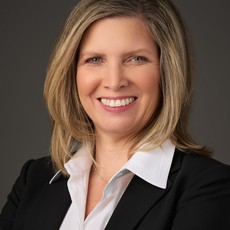
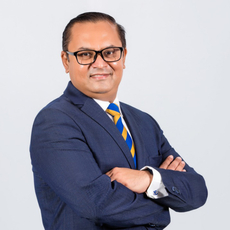
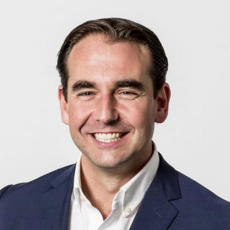
- Global Check-in Panel: Introduction of leaders from Bangladesh (Brac Bank), Peru (Lateral), Portugal (Startup Portugal), and Nigeria (Federal Government). Sharing of bold regional ideas, including MSME clinics with high-level government involvement, providing access to all forms of capital, the power of reinvention, and creating a single corporate legal framework. Discussion on shifts in regional entrepreneurial behavior, including leveraging ancestral history and fostering a belief in success (Latin America). Highlighting specific innovations like using digital footprints and AI for rapid credit access (Asia). Policy discussions focusing on shifting away from public sector dependency towards encouraging startups (Nigeria). Identifying policy disconnects and regulatory barriers, particularly for accessing capital and funding research-based startups. Addressing misconceptions about startups being too risky for banks and institutional investors. Sharing successful approaches like public-private partnerships and long-term bets on startups. Discussing the need to dismantle systems of overdependence and take bigger risks with startups. Commitment goals emphasizing enabling entrepreneurs across regions/socially, bold generosity, and promoting global mobility and free commerce.
Notable Quotes
- "Disruption is not destruction. Given disruption is the alchemy that turns uncertainty into opportunity. Surely this is a call to action for entrepreneurs."
- "It is the willingness to disrupt, to occasionally stir up turbulence that keeps our ecosystems vibrant and our societies progressing."
- "Entrepreneurs as the new diplomats are boldly leading the way in unchartered territories where established institutions may no longer be... trusted."
- "Most importantly, as Mr. K always said, you can fail as many times as you need to, but you must learn from it."
Resources Mentioned
- Global Entrepreneurship Network (GEN)
- Kaufman Foundation
- Global Entrepreneurship Week (GEW)
- GEN Connect platforms, programs, and events
- GEN Global Assembly working sessions/workshops
- Global Startup Ecosystem Report (published by GEN with Startup Genome)
- Startup Genome
- GEN Catalyst Index
- Genmies (new entrepreneurship education approach)
- AI Education Summit (scheduled for Thursday morning)
- Startup Nations community (GEN's policymaker community)
- Startup Nations Ministerial (event)
- Gen Atlas (compendium of entrepreneurship policy cases and studies)
- Gen Village (location at the congress)
- GEN Impact Report (available on the app or in print)
- IvyTech Community College (Indiana partnership)
- Purdue University (Indiana partnership)
- Lily Gateway Labs (Eli Lilly initiative for biotech firms)
- Plug and Play (technology incubator mentioned by Zimmer Biomet)
- FastTrack curriculum (Kaufman Foundation initiative)
- 1 Million Cups communities (Kaufman Foundation initiative)
- MSME clinics (Micro, Small and Medium Enterprise clinics in Nigeria)
- Brac Bank (Bangladesh)
- Lateral (Peru)
- Startup Portugal
- Europe Startup Strategy for Startups and Scaleups / 28th regime (European Commission initiative)
- Industrial Training Fund (ITF) (Nigerian agency)
- TVET (Technical and Vocational Education and Training)
- Startup house in San Francisco (Nigerian initiative)
- GEC App (conference app)
Action Items
- "Go break something" - a call to action for entrepreneurs.
- Roll up your sleeves and join GEN's work.
- Visit sponsor and partner booths, look in the app, find representatives, and thank them.
- Encourage entrepreneurs to "take the leap from idea to action" through campaigns and initiatives.
- Policy makers should set their sights higher, pursue transformative visions for entrepreneurship, and be disciplined in delivery and rigorous in measurement. They should also roll up their sleeves and work side by side with entrepreneurs and ecosystem builders.
- Work together to build a more global ecosystem by 2035, focusing on cross-border collaboration.
- Support GEN's proposed ways to build the global ecosystem, including improving ESO performance with rigor and transparency.
- Rethink and transform entrepreneurship education and training.
- Entrepreneurs should get truly inspired and match it with actions immediately.
- Seek learning opportunities, network, and learn from others.
- Commit to enabling entrepreneurs across countries, breaking social barriers, and creating enabling environments.
- Embrace bold generosity, doing for others what you want for yourself.
- Advocate for and commit to creating a world where mobility, immigration, and free commerce are cherished, supported, and promoted.
- Take bigger, responsible risks with startups.
- Attendees were encouraged to connect via the GEC app .
- Attendees were encouraged to share on social platforms to draw new people into the community .