

Speakers

Executive Director
PATTERN

Manager of Innovation Initiatives
Tulsa Innovation Labs

Head of Platform
Endeavor
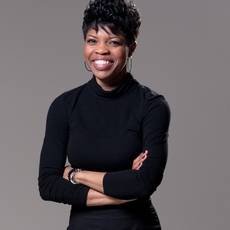
Belief Consulting Group

Traditional narratives around entrepreneurship often focus on venture capital, tech, and rapid scaling. But across cities and communities, a different kind of founder is shaping the future—creative entrepreneurs building bookstores, studios, collaborative spaces, and cultural platforms that act as infrastructure for vibrant, resilient local economies.
This session explores how these entrepreneurs bootstrap and sustain their businesses in cities that don’t always prioritize creativity, and how their work generates ripple effects that extend far beyond their own ventures. Panelists will share what it takes to build creative infrastructure from the ground up, navigate systemic gaps, and inspire broader ecosystem change.
Ideal for founders working outside conventional startup pathways, ecosystem builders seeking new models for place-based development, and policymakers looking to understand the overlooked power of the creative economy. Through moderated discussion and hands-on group work, this session will unpack how cities can better support creative entrepreneurship—and why it matters now more than ever.
Join us to:
Unlocking the Power of Creativity: Building Sustainable Futures
Brief Summary
This insightful session delved into the often-overlooked creative economy, defining it as a dynamic sector where individuals make a living through ideas, stories, experiences, and culture, driving jobs, building identity, and powering local economies. Featuring a panel of creative entrepreneurs and ecosystem builders, the discussion explored the unique challenges faced by creatives in accessing traditional support systems despite their significant economic and cultural impact. The panelists shared personal experiences and strategies for building businesses that are more than just profit centers, focusing on creating public good, fostering community, and advocating for creativity to be treated as a fundamental strategy in economic development, not merely a style. The session concluded with an interactive workshop where attendees brainstormed how to strategically invest in the creative economy to build a more inclusive, resilient, and imagination-fueled future.
Outline
• Introduction: Defining the Creative Economy and Creative Entrepreneurs
• Highlighting the Challenges: Lack of Access to Capital, Visibility, and Support for Creative Entrepreneurs
• Goal of the Session: Making the Case for Creativity as a Strategy
• Panelist Introductions: Drew Kinchis, Nishara Mitchell, Jake Butler, and Paulina Asher Share Their Backgrounds and Work
• Discussion: Realizing Work is More Than Just Selling Products/Services; Building Public Good and Cultural Anchors
• Exploring the Economic and Quality-of-Place Impact of Creativity
• Navigating Economic Development Conversations: Integrating Creatives and Overcoming Barriers
• Audience Q&A and Panel Discussion:
◦ The Importance of Relationships and Playing Well in the Sandbox
◦ Addressing the Undervaluing of Creative Work and the Need for Business Education
◦ Strategies for Achieving Financial Sustainability and Fair Compensation
◦ Measuring the Impact of Creativity: Identifying Key Metrics
• Interactive Workshop: Investing $500,000 in the Creative Economy (Space, Talent, Storytelling, Systems, Capital, Access)
• Table Share-Outs: Reporting on Investment Strategies
• Closing Remarks
Notable Quotes
• "the creative economy is made up of people who make a living by making things, ideas, stories, experiences, and culture... it's about how creativity drives jobs, builds identity, and powers place-based economies."
• "In creative economies, dollars often fail to move the needle, not because the work lacks value, but because it's misunderstood, unmeasured, and often unsupported."
• "If we can get everyone to the point of seeing and respecting and understanding what creativity is we can then harness truly the power of innovation and where creatives can fit into all areas of the ecosystem and not just general arts and entertainment."
• "It's that feeling of a place that's irreplaceable. And that is something that as we continue to do this sort of work, when you think about how do you support the creative economy, you can't underestimate that feeling, that vibe of a place."
• "The business of being a creative entrepreneur is not really being taught anywhere and it should be because you're absolutely right, we tend to undervalue ourselves because we just don't know what we could make in that instance."
Key Takeaways
• Creativity is Foundational to Place: Beyond economic data, creativity creates the vibe and quality of place that attracts and retains people, making cities desirable places to live.
• Business Education is Crucial for Creatives: Many creatives undervalue their work because they lack understanding of business fundamentals like unit economics, pricing, and financial sustainability. Providing this education is key to professionalizing the sector.
• Integration, Not Isolation: The creative economy is not separate; it intersects with and enhances other sectors like tech, law, and traditional business. It needs to be integrated into broader economic development strategies and conversations.
• Building Community and Relationships Matter: Playing well together, fostering trust, and creating collective bargaining power or 'guilds' can help creatives command fair value for their work and build stronger ecosystems.
• Leverage Existing Resources & Build Intentional Systems: Instead of always reinventing the wheel, utilize existing co-working spaces, online platforms, and funding sources, while also intentionally building systems that provide affordable space, access to capital, and tailored support for creatives.
Resources Mentioned
• Sound Diplomacy
• Indie Music Strategy
• 1 Million Cups
• Tomorrow bookstore (Indianapolis)
• Endeavor
• Pattern (Indianapolis)
• Studio B Creative Exchange / Belief in Business
• Invest Her program
• Kane's Ballroom (Tulsa)
• Indie Biz Pass (Indianapolis)
• Local LISC
• Verizon Small Business Digital Ready platform
Action Items
• Attendees were challenged to map out what is missing in their own cities' creative economies and propose ways to build towards a more inclusive, resilient, and imagination-fueled economy.
• Paulina issued a call for successful frameworks and solutions for implementing business education for creatives at K-12 or college levels.
• The panel discussed the potential for creatives to organize (like a guild) to collectively demand fair compensation for their work.
• Encouragement for creatives to view themselves as business owners and work towards moving the creative sector forward.