

Speakers

CEO and Founder
Cambio: House of Social Change

Presenter, “Brasil Sustentável” & “Empreender Brasil”
Startup journalist
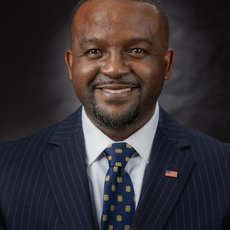
Founder
Renaissance94

In an era of global uncertainty, we ask: How can we build resilient, trustworthy international ecosystems where bold founders, visionary policymakers, and innovative ecosystem builders unite to put people and planet at the heart of business?
Join us to:
Building a Strong and Trusted International Network: Impact Entrepreneurship Globally
Join technology journalist Batrice Beakqua, social entrepreneur Peter Pach, and global social impact leader Danielle Blackman as they delve into the critical role of impact entrepreneurship in fostering a better future for people and the planet. This dynamic discussion explores the growth of impact entrepreneurship across different countries, lessons learned, emerging trends, and practical steps to connect innovative ideas, supportive policies, and necessary assistance to create meaningful global solutions.
This session brought together experts to discuss the growth and future of impact entrepreneurship globally, emphasizing the need for building a strong and trusted international network. The conversation highlighted how brave founders, smart leaders, and creative people can collaborate to center people and the planet in business models. Speakers shared personal journeys into impact work, discussed challenges like greenwashing and the need for authentic commitment, and explored how governments, universities, and existing networks can better support purpose-driven businesses, particularly by empowering the next generation and fostering genuine partnerships. The importance of aligning capital and creating piloting opportunities for social entrepreneurs was also raised by the audience, alongside calls for more inclusive events that platform everyday entrepreneurs and address critical needs like healthcare.
• Introduction to the session's focus on impact entrepreneurship and building a trusted international network putting people and planet at the center of business.
• Personal journeys into impact entrepreneurship shared by Danielle Blackman (driven by family service and a personal tragedy related to human trafficking, leading to measurable philanthropy) and Peter Pach (inspired by working in Latin America on bottom-of-the-pyramid solutions, focusing on fundamentals like food, water, and internet access).
• Discussion on creating global companies that truly help people and the planet.
• Strategies for building global companies, including drawing outside the box for strategy, identifying similarities across regions, leveraging global events like the World Cup for impact initiatives, and the increasing role of AI and young people in driving change.
• The importance of platforming role models in impactful entrepreneurship, such as Jamie Oliver, Oprah Winfrey, and Ben & Jerry's.
• The power of community and the experience of building businesses with social impact.
• The need for legacy and impact beyond just starting and ending initiatives, especially publicly funded ones.
• How governments and universities can better support impact-driven businesses.
• The transition away from sole reliance on government structures and the need for willingness from both government and the private sector.
• The critical role of tapping into and empowering the next generation, allowing them to drive innovation and leadership.
• The challenge of political differences and silos hindering unified growth and progress.
• Universities as important building blocks and ecosystem builders due to their size, networks, and access to regional agencies, but the necessity of bringing in commercial investment to supplement public funding.
• Addressing greenwashing and ensuring genuine corporate commitment to social and environmental impact.
• Experiences with corporations making commitments that don't translate into actual investment or action.
• The observation that social businesses are significantly less likely to greenwash.
• The importance of living values consistently, even in the context of large events.
• Three key principles to counter greenwashing: proximity to the problem, empathy, and authenticity.
• Expanding the definition of greenwashing to include the neglect of human beings and communities.
• How the younger generation is already shifting their mindset towards purpose-driven businesses.
• Statistics showing young people are already building climate considerations into their businesses and starting social businesses.
• The need for older generations to support and guide young people, rather than create barriers or overly criticize.
• The importance of directing young people towards understanding and leveraging AI and technology for positive impact.
• How small companies can stay true to their mission as they grow financially.
• The disconnect from nature and agriculture and its impact on well-being and communities.
• The need for early education and institutional reinforcement of the importance of nature and community.
• The distinction and potential collaboration between wider social impact and commercial opportunity in networks.
• A call for initiatives that actively profile and fund social entrepreneurs.
• Recommendations for books and resources to understand impact entrepreneurship and global ecosystems.
• Audience questions regarding age exclusion in opportunities, support for early-stage ("neo") entrepreneurs, lack of focus on healthcare in tech-heavy discussions, working with government, building human qualities like empathy and trust amidst digital engagement, aligned capital, and piloting opportunities.
• Panel responses addressing age gaps and focusing on the need for inclusive platforms.
• The importance of engaging early-stage entrepreneurs and providing spaces for direct feedback like a "founders town hall".
• The need to integrate technology and public health, noting challenges like declining life expectancy among entrepreneurs.
• Suggestions for non-traditional ways to introduce education and support, such as using sports and entertainment platforms.
• Identifying target audiences and using appropriate platforms (like Twitch) to engage younger demographics.
• Learning to use digital platforms effectively through self-training resources.
• Suggestions for communities and platforms for education, upskilling, and finding community (Masterclass, Tech Stars, Impact Hub, LinkedIn).
• Discussion on aligned capital, distinguishing from traditional VC models, and highlighting angel investors as a potential resource.
• The importance of finding opportunities within existing networks and events for piloting solutions.
• A point challenging the branding of "social entrepreneurism" and suggesting a focus on "doing business responsibly," emphasizing that profit is good but what is done with it matters.
• Agreement on the importance of B Corps and international frameworks like the SDGs.
• "In this moment of big changes around the world, we want to talk about how we can build a strong and trusted international network. places where brave founders, smart leaders and creative people can work together to put people and especially the planet at the center of business."
• "I decided to launch Renaissance after I left the Biden administration to make sure that we were able to have a true measurable impact. act long term and it and it could really bring rooms like this to the forefront of nextgen finance and capital but also the forefront of how we see social impact overall."
• "Proximity, empathy, authenticity. First of all, proximity to the problem... Number two, empathy... And finally, be authentic because all of you as an audience and frankly as participants and speakers, you can tell. We can tell when people are not being authentic."
• Empower the Next Generation: Young people are already purpose-driven and incorporating social and environmental impact into their businesses. The focus should be on supporting and guiding them, providing resources, and getting out of their way rather than creating barriers.
• Partnerships and Inclusive Networks are Crucial: Building a strong international network requires looking beyond regional silos, collaborating across sectors (public, private, social), and ensuring events and platforms are inclusive of diverse ages and stages of entrepreneurship, including early-stage founders and those in less-hyped sectors like healthcare.
• Authenticity and Measurable Impact Counter Greenwashing: Genuine commitment goes beyond marketing and requires proximity to problems, empathy, and transparency. The definition of impact should be broad, including human well-being and community treatment, not just environmental concerns. Social businesses, by their nature, are less likely to greenwash.
• Rethink Funding and Support Structures: Traditional venture capital may not be suitable for all social enterprises; exploring alternative capital sources like angel investors is important. There is a need for more opportunities and platforms for social entrepreneurs to pilot and prove their solutions. Non-traditional approaches are needed for education and engagement, leveraging popular culture, sports, and digital platforms.
• Connect with Communities and Nature: Staying true to mission involves reconnecting with nature and understanding its link to community well-being. Events and initiatives should prioritize sustainability in their own operations and ensure benefits reach local communities beyond temporary engagement.
Organizations/Initiatives: Renaissance 94, Cambio, Unlimited (UK foundation for social ventures), World Cup, Olympics (Los Angeles), Indy500, NBA finals, COP (global climate summit), Global Social Entrepreneurship Network (GSEN), Jen Sustain (proposed campaign), John Hopkins University, Historically Black Colleges and Universities (HBCUs), Minority Serving Institutions, Tribal Institutions, NBA (National Basketball Association), NFL (National Football League), WNBA (Women's National Basketball Association), Masterclass, Tech Stars, Impact Hub, B Corps, Sustainable Development Goals (SDGs).
People: Batrice Beakqua, Danielle Blackman, Peter Pach, Ollle Barrett (mentioned for resemblance), Jamie Oliver, Oprah Winfrey, Ben & Jerry's, Brad Feld, Ashish Advani, Eric Litz, Kanye (West), Beyonce, Will I Am, Billy Eilish, Congressman John Lewis, Dr. (Martin Luther) King (Jr.), Michelle Obama, David Bournestein, Muhammad Ununus, Bill Gates, Simon Synynk, David Epstein, Terin Gray, Jonathan Almans, Ezie Redwood, Simon Goon.
Books: Tipping Point by Malcolm Gladwell, How to Change the World by David Bournestein, Creating a World without Poverty by Muhammad Ununus, Start with Why by Simon Synynk, Range by David Epstein.
Documentaries/Series: Inside Bill's Brain: Decoding Bill Gates (Netflix).
Platforms/Tools: AI, LinkedIn, Twitch, Fortnite, Google, YouTube, Instagram, ESG (Environmental, Social, Governance).