Session Description
In the United States, soft-landing pad programs have received $11 million in funding across six states since July 2023. Meanwhile, the foundational Global Entrepreneur-in-Residence Coalition’s efforts since 2014 have resulted in $1 billion in investment and thousands of jobs created by companies supported through this economic development mechanism. Internationally, over two dozen countries have created startup visa programs to accomplish similar goals.
This session will dive into the gener8tor Soft Landing Pad initiative and peer state-backed startup visa programs to equip economic development leaders with insights and tools to attract early-stage tech-enabled companies, investment capital, and jobs.
Join us to explore:
- a toolkit for testing the Soft Landing Pad framework with local and state leaders.
- best practices and success stories from - and connections to - peers who have launched Soft Landing Pad programs.
- tips for building a customized Soft Landing Pad applicant pipeline that highlights regional strengths.
Session Recap
This session explored the critical importance of creating systematic and welcoming pathways for international early-stage startups looking to establish a presence and grow in the United States. Moderated by Craig Monour of Generator, the discussion highlighted how "soft landing pad" programs, like accelerator models and statewide initiatives, can shift the focus from individual founders to the companies themselves, helping them put down roots, build tax bases, and contribute to economic development in American cities and states. Panelists shared personal stories and programmatic insights, emphasizing the economic benefits of attracting global talent and the essential resources needed to overcome barriers like immigration and accessing capital.
Outline
• Introduction: Panelists introduce themselves and their organizations (Generator, Wisconsin Economic Development Corporation, Packsafe, Vertical X). Craig Monour sets the stage, discussing his 15-year passion for the startup visa space and shifting focus to welcoming companies systemically.
• Why "Soft Landing Pads"? Discussion on the concept of welcoming international founders with a "red carpet and an outstretched hand" compared to the classic image of arriving with just a backpack.
• Generator's Vision: Craig Monour explains Generator's role in welcoming companies to partner cities and states, putting them through an accelerator to become investor-ready, and promoting growth in America's heartland. Generator aims for companies to choose US locations for their American headquarters and potentially global headquarters.
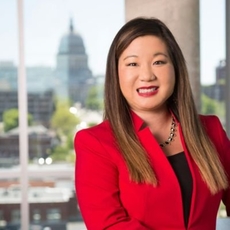
• Accelerate Wisconsin: Shaina Hutzel introduces Accelerate Wisconsin, a statewide startup attraction program by the Wisconsin Economic Development Corporation (WEDC). The program leverages existing state resources (global trade, business attraction, tech hubs, corporate innovation) to create a complementary feature for entrepreneurship.
• Benefits of Global Attraction (Accelerate Wisconsin): Hutzel outlines the reasons for attracting global startups: adding density quickly to ecosystems, injecting new energy and perspectives, bringing global networks (investors, partners, supply chains), building global bridges, and contributing to foreign direct investment and research partnerships. The goal is for companies to fall in love with Wisconsin and stay, potentially choosing it for their headquarters.
• Packsafe's Journey: Jacqueline Diaz shares Packsafe's story, highlighting how Generator's support was crucial from the company's very beginnings, including navigating co-founder changes and visa challenges. Access to infrastructure and resources, like connections to Craig Monour for visa help, were vital in a critical window, preventing them from potentially missing their shot. Packsafe chose Indianapolis for its headquarters partly due to its location as the "crossroads of America" and existing co-founder roots. Generator provided a foundation of resources, investors, and connections that enabled Packsafe's growth, leading to a Series A funding round and a team of 35 people.
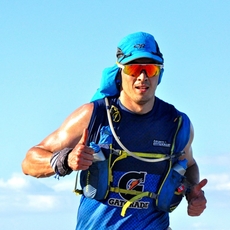
• Jose Carlos's Story: Jose Carlos shares his journey from Silicon Valley, to Austin, and then to Indiana via Generator's 5G beta program. He describes the US startup ecosystem as structured compared to Latin America's "jungle". Generator helped him understand how the ecosystem works, from sweat equity to funding and company structure. Support from Generator helped build his case for an O1A visa and ultimately a Green Card based on extraordinary abilities in athletics. He highlights the welcoming environment and support received in Indiana from various organizations.
• Economic Impact & Metrics: The discussion shifts to the brass tacks for ecosystem builders, policymakers, and funders. Shaina Hutzel explains Accelerate Wisconsin's vision for these companies putting roots down and growing into anchor employers. Startups contribute net new jobs, often high-wage technical jobs, which are critical for workforce development and innovation landscapes. While initial pilots may focus on feedback and value proposition, the long-term goal is measurable job creation and wage contributions, noting that certified Wisconsin startups currently have wages 1.7 times higher than the state median. The statewide network approach aims to create friction-free pathways across different ecosystems within Wisconsin.
• Overcoming Barriers: Jacqueline Diaz reiterates how access to programmatic solutions like Generator's infrastructure eliminated significant barriers for Packsafe, particularly during visa challenges and the difficult early stages. Access to other programs, like Techpoint in Indianapolis providing interns, also contributed significantly to their growth and hiring.
• Key Support Elements: Jose Carlos emphasizes the importance of the onboarding experience and understanding the local culture. He notes the welcoming reception from the International Center in Indiana, which even assessed cultural fit. He also stresses the value of resources and opportunities found through the journey, beyond just funding.
• Call to Action & Global Vision: Craig Monour closes with a message to global partners, encouraging them to think about how facilitating companies coming to the US can lead to growth and job creation in both the region of origin and the US landing pad. The vision is for these companies to become global market leaders, reflecting their home culture while being welcomed and supported. He invites further conversation with interested ecosystem builders on how to systematically welcome international companies and help them solve challenges beyond immigration, such as signing leases, raising capital, and hiring local talent.
Notable Quotes
• "What would it be like if they were welcomed with a red carpet and an outstretched hand?" – Craig Monour
• "Accelerate Wisconsin adds this complimentaryary feature to entrepreneurship and and innovation that takes advantage of our ecosystem but also borrows the triedand-rue plays from our global trade team and our business attraction team. So this is really about startup attraction for Wisconsin..." – Shaina Hutzel
• "...Generator was as provided such a great foundation, resources, investors, connections, um that really allowed packsafe to grow." – Jacqueline Diaz
Key Takeaways
• Systemic Welcome is Crucial: Shifting from supporting individual founders to creating a systemic welcome for international companies is essential for effective economic development and building future tax bases in cities and states.
• Soft Landing Pads Provide Critical Support: Programs like Generator and Accelerate Wisconsin offer vital infrastructure, resources, investor connections, and guidance that help international startups overcome significant barriers, including immigration challenges, especially during critical early growth phases. Without such support, companies might "miss their shot".
• Global Startups Drive Local Economic Growth: Attracting international companies adds density and vibrancy to local ecosystems, injecting new energy, perspectives, and global networks. They contribute to job creation (often high-wage), foreign direct investment, research partnerships, and expanded market access for local companies.
• Partnerships and Networks are Key: Successful integration and growth require collaboration between various entities including economic development corporations (state and local), universities, tech colleges, sector-specific networks, and accelerator programs. A statewide or networked approach allows for fluidity and access across different regional ecosystems.
• Mutual Benefit: Welcoming international startups benefits not only the companies gaining access to capital and markets but also the host region through job creation, innovation, and building global connections. The goal is growth that benefits both the company's region of origin and its American landing pad.
Resources Mentioned
• Generator: An accelerator program and key partner in welcoming international startups.
• Wisconsin Economic Development Corporation (WEDC): State agency running entrepreneurship, innovation, global trade, and business attraction programs, including Accelerate Wisconsin.
• Accelerate Wisconsin: WEDC's statewide program for startup attraction.
• Packsafe: An example company that successfully utilized a soft landing pad program (Generator) to navigate challenges and grow.
• Vertical X: Jose Carlos's sports tech startup, which participated in Generator's program.
• International Center (Indiana): Organization that provided a welcoming onboarding experience, including cultural assessment, for Jose Carlos.
• Techpoint (Indianapolis): Program that provided interns to Packsafe, leading to a successful hire.
• Sports Tech HQ (Indiana): Organization Jose Carlos partnered with.
• INAP: Program offering grants for small and medium enterprises, from which Vertical X received funding.
• Purdue University IFI Program: Program offering grants and interns for tech development, which supported Vertical X.
• State of Hassan (Germany): State with whom Wisconsin has signed an MOU for collaboration on innovation.
• Invest m in Nova Leon (Mexico): Entity in Mexico with whom Wisconsin has signed an MOU for collaboration on innovation.
• German American Chamber of Commerce: Invited to continue conversations about welcoming startups.
• Book authored by Jose Carlos: Mentioned as including Generator as part of his story.
Action Items
• Attendees (ecosystem builders, policymakers, funders) are encouraged to think systematically and deliberately about welcoming international companies to their ecosystems.
• Consider how to help companies solve challenges beyond just immigration, such as signing leases, raising capital, and hiring from local colleges and universities.
• Interested ecosystem builders were invited to talk after the panel for further discussion on the framework.
• Invitation to the German American Chamber of Commerce to continue conversations about welcoming Hessen Startups.