Session Description
The Asian startup story has attracted increasing global attention in the last two decades, and the region is now home to the world’s second-largest start-up ecosystem when measured by venture capital investment. In addition to a vibrant start-up scene, most of the region's governments are implementing targeted policies to foster startup development and unleash their potential to meet inclusivity and sustainability goals.
Join us to explore:
- new developments in Asian startup ecosystems.
- emerging policy trends, including financing tools implemented in the region.
- insights from the soon-to-be-released OECD report: "Start-up Asia: Chasing the Innovation Frontier".
- a group discussion on how startup development can align more closely with inclusivity and sustainability goals.
Session Recap
Brief Summary
Ready to dive into the dynamic world of Asian startups? This session brought together experts and policymakers to explore the rapid growth, unique challenges, and exciting potential of startup ecosystems across the region, highlighting key findings from a new OECD report and insights from Indonesia and Cambodia. Discover how these nations are working to foster innovation, drive inclusive growth, and build sustainable entrepreneurial landscapes.
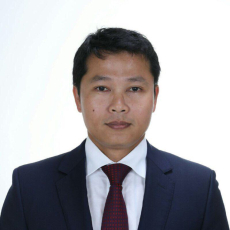
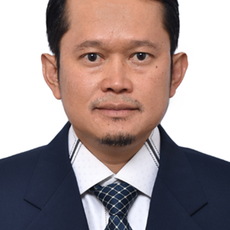
This session marked the launch of a new report from the OECD Development Center focused on implementing a startup for development framework in Asia, particularly in India, Indonesia, Thailand, and Vietnam. Speakers from Indonesia and Cambodia, along with the OECD, discussed the characteristics of the diverse Asian startup market, including its significant size and venture capital investment, while also highlighting challenges such as the concentration of growth in certain areas and among a few large companies, regulatory hurdles, funding access, skill gaps, and the need for greater inclusivity. The conversation delved into national strategies, government programs, and private sector initiatives aimed at supporting entrepreneurs, promoting digitalization, building human capacity, and making opportunities more widely available.
Outline
Launch of the OECD report "implementing a startup for development framework in Asia with a focus on India, Indonesia, Thailand, and Vietnam".
Overview of Asia as the second largest startup market, accounting for one in five global startups and one in four USD dollars in venture capital investment.
Discussion of the diverse Asian ecosystem, including large markets like China and India, newcomers like Indonesia, Thailand, and Vietnam, and emerging ecosystems like Cambodia.
Analysis of development trends: fast growth but concentrated among a few startups, increased VC share of GDP, and density below OECD levels.
Identification of key sectors attracting VC (e-commerce, fintech) and areas with strong potential (renewables, food tech, cultural and creative industries).
Major challenges for the future: making opportunities more widely available, moving beyond capital cities, and including women, marginalized groups, and youth.
Indonesia's national entrepreneurship strategy and startup development plans, aiming for inclusive growth and job creation.
Indonesian challenges discussed: complex business licensing, limited access to funding, digital infrastructure gaps, and limited managerial/digital competency.
Indonesian initiatives: Digital transformation strategies, digital talent scholarships, vocational school graduate academies, and developing digital innovation hubs outside Jakarta.
The role of state-owned enterprises, exemplified by Bangandiri's Mandiri entrepreneurship ecosystem, supporting entrepreneurs through various programs including Wirausaha Muda Mandiri, Zenit, and Exponent.
Cambodia's emerging startup ecosystem and its potential.
Cambodian challenges discussed: policy and regulation (recognizing startups as legal entities), innovation culture (promoting STEM education), funding, skill/human resource limitations, and gender diversity.
Cambodian initiatives: Working on policy frameworks, STEM and entrepreneurship promotion pilots, and supporting MSME development.
Audience questions covering international market access, English proficiency, and advice for policymakers.
Responses addressing long-term goals of expanding to global markets, noting that English is widely spoken by younger generations and in business contexts in both Indonesia and Cambodia.
Key advice for policymakers: simplifying procedures for startups to access licensing, financing, and technology, and fostering a trusted dialogue where issues can be openly discussed and solved.
Call for collaboration among financing institutions, academia, and other entities.
Notable Quotes
"How to make opportunities more widely available. How can we move beyond the capital cities where most of the startups and investors are concentrated and how maybe to bring more women and other marginalized groups and youth into the startup ecosystem."
"What we see is that how actually the government can give more incentives to the startup by simplifying all these procedures on how they can get the license on how they can get the financing as well as the technology."
"If you want to solve anything put everything on the table listen to each other solve it... trusted dialogue."
Key Takeaways
Asia's startup landscape is characterized by rapid growth and significant investment, but also faces the challenge of ensuring this prosperity is widely shared beyond major hubs and a few large companies.
Both Indonesia and Cambodia are actively working to reform regulations and simplify procedures to make it easier for startups to operate and access necessary resources like funding.
Investing in human capital, particularly digital skills and STEM education, is seen as crucial for fostering innovation culture and developing a competitive workforce capable of supporting tech-driven growth.
Government initiatives, combined with private sector platforms and state-owned enterprise support, are vital for creating comprehensive ecosystems that nurture entrepreneurs from ideation through growth.
There is a clear aspiration among policymakers in Indonesia and Cambodia to connect their startups with global markets, and they welcome international investors and collaborators, noting good English proficiency especially among the younger, entrepreneurial demographic.
Resources Mentioned
Report: "implementing a startup for development framework in Asia with a focus on India, Indonesia, Thailand, and Vietnam" (by OECD Development Center)
StartupBlink
WIPO
Dejo startup center
Startup Cambodia program
Plug and Play (San Francisco)
Action Items
Attendees interested in exploring collaboration opportunities are encouraged to talk to the speakers from Indonesia and Cambodia.
Consider attending the presentation on ecosystem metrics tomorrow at one by a fellow OECD colleague.