-
About
-
Global
-
About GEN
Operating in 200 countries to make it easier for anyone to start and scale.
-
Board + Staff
Leading the strategic direction and daily execution of the GEN mission.
-
Our Partners
A range of organizations contributing expertise, experience and energy.
-
About GEN
-
National Leadership
-
Managing Directors
Individuals leading GEN chapters and all aspects of national engagement.
-
Global Leaders
Individuals contributing to national engagement in GEN programs.
-
Managing Directors
-
Awards
-
Compass Awards
Celebrating excellence and honoring those making a difference.
-
Compass Awards
-
Support
-
Contact GEN
Reach out to our team with any questions.
-
Web Support
Report website issues to the web team
-
Contact GEN
-
Global
-
Our Work
-
Our Pillars
-
GEN Ecosystems
Stronger and more globally-connected entrepreneurial ecosystems.
-
GEN Founders
Empowering innovators from all backgrounds to achieve their full potential.
-
GEN Invest
The right capital in the right hands – at the right time.
-
GEN Policy
Evidence-based ideas for smart policy design to help entrepreneurs thrive.
-
GEN Ecosystems
-
Our Work
-
GEN Programs
View a list of all our programs.
-
GEN Events
Flagship events + ongoing event series driving connectivity.
-
GEN Competitions
Helping founders get discovered + helping organizers run a competition worth entering.
-
GEN Programs
-
Our Impact
-
Impact Reports
In-depth look at GEN’s impact each year since it began in 2008.
-
Impact Stories
Examples of GEN’s impact on individuals and ecosystems around the world.
-
Impact Reports
-
Our Pillars
-
Resources
-
GEN Connect
-
Ecosystem Connect
Connect with ecosystem builders + community leaders worldwide.
-
Founder Connect
Connect with founders building the next generation of startups.
-
Investor Connect
Connect with angels, VCs + other investors aligned to your stage + goals.
-
Mentor Connect
Connect with experienced mentors across our global network.
-
Ecosystem Connect
-
Policy + Research
-
GEN Atlas
Collection of public sector policies + programs to drive economic growth.
-
GEN Research Library
Collection of the latest research strategies, reports, data sets + more.
-
GEN Atlas
-
More Helpful Tools
-
Events Calendar
Find events advancing entrepreneurship near you + around the world.
-
GEN Speakers Bureau
Commission-free directory of speakers for your next entrepreneurship event.
-
GEN Community Directory
Searchable directory of GEN members representing 200 countries.
-
Builders Studio
An AI-powered platform that guides entrepreneurs from idea to launch.
-
No Bad Ideas
Card game designed to help turn your ideas into great ones – no mistakes.
-
Events Calendar
-
GEN Connect
-
Events
-
Overview
Brief summary of all GEN events + gatherings
-
Global Entrepreneurship Congress
Global gathering of delegates shaping the future of entrepreneurship.
-
GEC+
Regional or sector-specific deep-dives built off the GEC model.
-
Global Entrepreneurship Week
Join the movement of 40,000 events around the world each November.
-
GEN Exchange
Virtual webinars for GEN community members to explore timely issues.
-
GEN Meetup
Open-source model to hold your own ecosystem event.
-
Startup Huddle
Chapters crowd-sourcing advice + support, one entrepreneur at a time.
-
Startup Nations Summit
Gathering of policymakers on regulatory issues + innovative programs.
-
GET Forum
A global forum connecting Latin America and the Caribbean's ecosystem leaders.
-
Events Calendar
Find an entrepreneurship event near you.
-
Overview
-
News
-
Global Newsfeed
All of the unfiltered news + updates from the GEN community.
-
The Startup State
Major entrepreneurship announcements, reports, commentary + features.
-
Press + Media Kit
Official GEN assets and information for journalists, partners, and storytellers.
-
Subscribe
Sign-up to receive important updates, event invitations + more.
-
Global Newsfeed
- Countries
User login
Eco-Friendly Water Storage Solutions
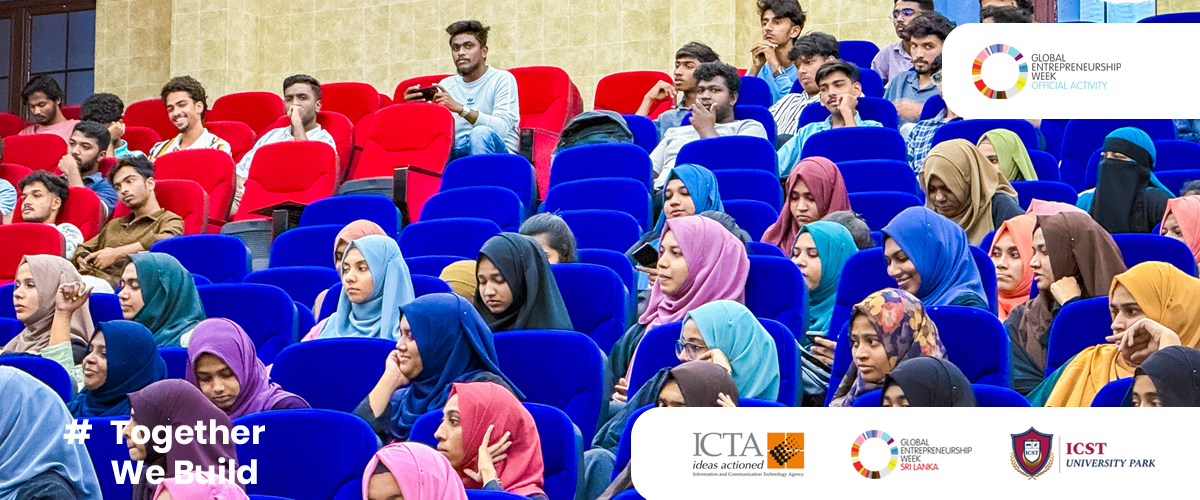
The Eco-Friendly Water Storage Solutions session, held on 19 November 2025, focused on helping students understand how sustainable water storage practices can protect natural resources and support long-term community resilience. The session highlighted that water storage is not only a technical requirement but also a powerful opportunity to adopt environmentally responsible solutions that minimize waste and safeguard future water availability.
Facilitators introduced students to the core idea that eco-friendly water storage prioritizes efficiency, safety, and environmental sensitivity. They explored innovative methods such as rainwater harvesting, natural filtration systems, and the use of biodegradable or renewable materials in tanks and storage units. Real-world examples from homes, schools, and community projects showed students how sustainable systems can reduce pressure on limited water resources while promoting resilience during shortages.
A powerful message shared during the session was: “Every drop stored wisely is a future secured.” This helped students understand that responsible water storage has direct life-long benefits. They also learned that “eco-friendly solutions are investments, not expenses,” encouraging them to see sustainability as a future-oriented strategy that adds long-term value rather than cost.
Students explored inspiration from nature such as ponds, aquifers, and rainfall to understand how natural systems store water efficiently. Facilitators explained that “nature teaches us storage… our task is to learn from it,” showing students how biomimicry can guide creative and effective water solutions. They also emphasized adaptability, reminding students that “the best storage systems evolve with community needs.”
During hands-on activities, students brainstormed and designed their own eco-friendly water storage models, integrating ideas such as modular filtration systems, underground reservoirs, and harvesting structures made from clay, bamboo, or recycled plastics. The session followed the entrepreneurial flow:
Awareness → Design → Innovation → Storage → Conservation → Sustainability → Growth,
illustrating how a simple idea can evolve into impactful, environmentally conscious solutions.
By the end of the session, students strengthened their understanding of sustainable innovation and expressed confidence in creating environmentally responsible storage solutions. They recognized that protecting water resources requires creativity, responsibility, and future-focused thinking key qualities that support community well-being, environmental sustainability, and entrepreneurial growth.