-
About
-
Global
-
About GEN
Operating in 200 countries to make it easier for anyone to start and scale.
-
Board + Staff
Leading the strategic direction and daily execution of the GEN mission.
-
Our Partners
A range of organizations contributing expertise, experience and energy.
-
About GEN
-
National Leadership
-
Managing Directors
Individuals leading GEN chapters and all aspects of national engagement.
-
Global Leaders
Individuals contributing to national engagement in GEN programs.
-
Managing Directors
-
Awards
-
Compass Awards
Celebrating excellence and honoring those making a difference.
-
Compass Awards
-
Support
-
Contact GEN
Reach out to our team with any questions.
-
Web Support
Report website issues to the web team
-
Contact GEN
-
Global
-
Our Work
-
Our Pillars
-
GEN Ecosystems
Stronger and more globally-connected entrepreneurial ecosystems.
-
GEN Founders
Empowering innovators from all backgrounds to achieve their full potential.
-
GEN Invest
The right capital in the right hands – at the right time.
-
GEN Policy
Evidence-based ideas for smart policy design to help entrepreneurs thrive.
-
GEN Ecosystems
-
Our Work
-
GEN Programs
View a list of all our programs.
-
GEN Events
Flagship events + ongoing event series driving connectivity.
-
GEN Competitions
Helping founders get discovered + helping organizers run a competition worth entering.
-
GEN Programs
-
Our Impact
-
Impact Reports
In-depth look at GEN’s impact each year since it began in 2008.
-
Impact Stories
Examples of GEN’s impact on individuals and ecosystems around the world.
-
Impact Reports
-
Our Pillars
-
Resources
-
GEN Connect
-
Ecosystem Connect
Connect with ecosystem builders + community leaders worldwide.
-
Founder Connect
Connect with founders building the next generation of startups.
-
Investor Connect
Connect with angels, VCs + other investors aligned to your stage + goals.
-
Mentor Connect
Connect with experienced mentors across our global network.
-
Ecosystem Connect
-
Policy + Research
-
GEN Atlas
Collection of public sector policies + programs to drive economic growth.
-
GEN Research Library
Collection of the latest research strategies, reports, data sets + more.
-
GEN Atlas
-
More Helpful Tools
-
Events Calendar
Find events advancing entrepreneurship near you + around the world.
-
GEN Speakers Bureau
Commission-free directory of speakers for your next entrepreneurship event.
-
GEN Community Directory
Searchable directory of GEN members representing 200 countries.
-
Builders Studio
An AI-powered platform that guides entrepreneurs from idea to launch.
-
No Bad Ideas
Card game designed to help turn your ideas into great ones – no mistakes.
-
Events Calendar
-
GEN Connect
-
Events
-
Overview
Brief summary of all GEN events + gatherings
-
Global Entrepreneurship Congress
Global gathering of delegates shaping the future of entrepreneurship.
-
GEC+
Regional or sector-specific deep-dives built off the GEC model.
-
Global Entrepreneurship Week
Join the movement of 40,000 events around the world each November.
-
GEN Exchange
Virtual webinars for GEN community members to explore timely issues.
-
GEN Meetup
Open-source model to hold your own ecosystem event.
-
Startup Huddle
Chapters crowd-sourcing advice + support, one entrepreneur at a time.
-
Startup Nations Summit
Gathering of policymakers on regulatory issues + innovative programs.
-
GET Forum
A global forum connecting Latin America and the Caribbean's ecosystem leaders.
-
Events Calendar
Find an entrepreneurship event near you.
-
Overview
-
News
-
Global Newsfeed
All of the unfiltered news + updates from the GEN community.
-
The Startup State
Major entrepreneurship announcements, reports, commentary + features.
-
Press + Media Kit
Official GEN assets and information for journalists, partners, and storytellers.
-
Subscribe
Sign-up to receive important updates, event invitations + more.
-
Global Newsfeed
- Countries
User login

Reduction of Water Waste
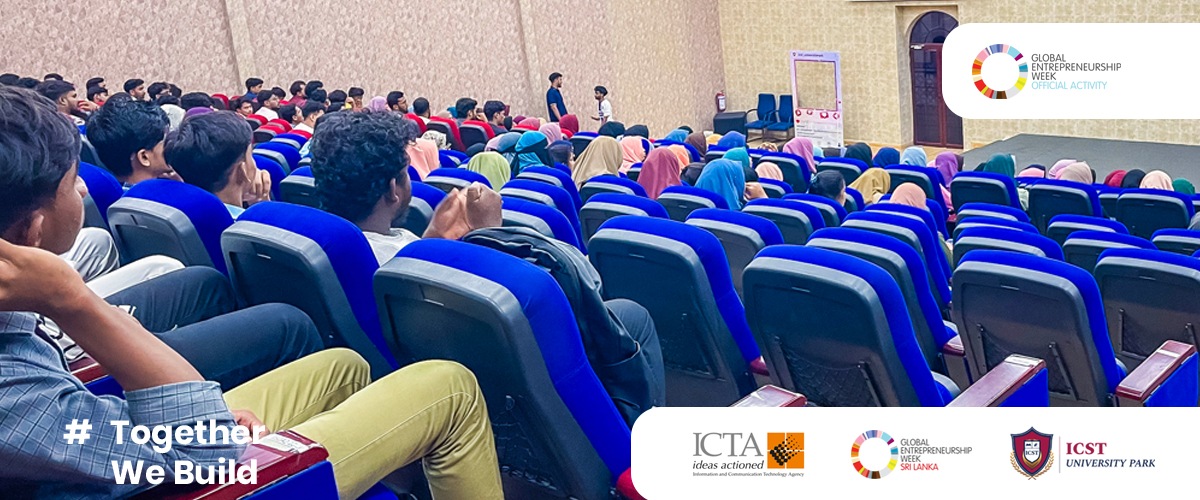
The Reduction of Water Waste session, held on 19 November 2025, helped students understand the importance of conserving one of the world’s most precious resources. The session emphasized that water is essential not only for life but also for the stability of communities, ecosystems, and industries. Students were encouraged to view water conservation as both an environmental duty and a foundation for building sustainable, responsible futures.
Facilitators highlighted that water waste often occurs not because of scarcity, but because of neglect and poor habits. Students learned the powerful message: “Every drop saved is a step toward sustainability.” This reminder helped them understand how small, mindful actions such as fixing leaks, using water efficiently, and recycling greywater can collectively create significant impact.
The session explored practical conservation strategies that can be applied at home, in schools, and within industries. Students examined examples of wastage such as leaking taps, excessive cleaning practices, and inefficient irrigation, and discussed how smart design, responsible habits, and eco-friendly technologies can minimize waste. They also learned that “smart solutions save more than water they save the future,” reinforcing the value of innovation in sustainability.
Through engaging activities, students identified real-life scenarios where water is wasted and brainstormed creative solutions. They explored entrepreneurial ideas such as water-saving devices, awareness campaigns, and simple recycling systems. The session introduced the sustainable action flow:
Awareness → Identification → Innovation → Action → Conservation → Sustainability → Growth,
which helped students understand how conservation efforts evolve from recognition into long-term impact.
The facilitator emphasized that reducing water waste requires both mindset and behavior change, reminding students that “sustainability requires changing the way we think, not just the way we act.” This encouraged them to develop a sense of responsibility toward resource protection and to consider community-wide conservation practices.
By the end of the session, students expressed increased confidence in their ability to protect water resources. They understood that reducing water waste is essential for environmental balance, economic efficiency, and future resilience. The session successfully motivated them to see conservation not just as prevention, but as an opportunity to innovate and contribute to a more sustainable world.