-
About
-
Global
-
About GEN
Operating in 200 countries to make it easier for anyone to start and scale.
-
Board + Staff
Leading the strategic direction and daily execution of the GEN mission.
-
Our Partners
A range of organizations contributing expertise, experience and energy.
-
About GEN
-
National Leadership
-
Managing Directors
Individuals leading GEN chapters and all aspects of national engagement.
-
Global Leaders
Individuals contributing to national engagement in GEN programs.
-
Managing Directors
-
Awards
-
Compass Awards
Celebrating excellence and honoring those making a difference.
-
Compass Awards
-
Support
-
Contact GEN
Reach out to our team with any questions.
-
Web Support
Report website issues to the web team
-
Contact GEN
-
Global
-
Our Work
-
Our Pillars
-
GEN Ecosystems
Stronger and more globally-connected entrepreneurial ecosystems.
-
GEN Founders
Empowering innovators from all backgrounds to achieve their full potential.
-
GEN Invest
The right capital in the right hands – at the right time.
-
GEN Policy
Evidence-based ideas for smart policy design to help entrepreneurs thrive.
-
GEN Ecosystems
-
Our Work
-
GEN Programs
View a list of all our programs.
-
GEN Events
Flagship events + ongoing event series driving connectivity.
-
GEN Competitions
Helping founders get discovered + helping organizers run a competition worth entering.
-
GEN Programs
-
Our Impact
-
Impact Reports
In-depth look at GEN’s impact each year since it began in 2008.
-
Impact Stories
Examples of GEN’s impact on individuals and ecosystems around the world.
-
Impact Reports
-
Our Pillars
-
Resources
-
GEN Connect
-
Ecosystem Connect
Connect with ecosystem builders + community leaders worldwide.
-
Founder Connect
Connect with founders building the next generation of startups.
-
Investor Connect
Connect with angels, VCs + other investors aligned to your stage + goals.
-
Mentor Connect
Connect with experienced mentors across our global network.
-
Ecosystem Connect
-
Policy + Research
-
GEN Atlas
Collection of public sector policies + programs to drive economic growth.
-
GEN Research Library
Collection of the latest research strategies, reports, data sets + more.
-
GEN Atlas
-
More Helpful Tools
-
Events Calendar
Find events advancing entrepreneurship near you + around the world.
-
GEN Speakers Bureau
Commission-free directory of speakers for your next entrepreneurship event.
-
GEN Community Directory
Searchable directory of GEN members representing 200 countries.
-
Builders Studio
An AI-powered platform that guides entrepreneurs from idea to launch.
-
No Bad Ideas
Card game designed to help turn your ideas into great ones – no mistakes.
-
Events Calendar
-
GEN Connect
-
Events
-
Overview
Brief summary of all GEN events + gatherings
-
Global Entrepreneurship Congress
Global gathering of delegates shaping the future of entrepreneurship.
-
GEC+
Regional or sector-specific deep-dives built off the GEC model.
-
Global Entrepreneurship Week
Join the movement of 40,000 events around the world each November.
-
GEN Exchange
Virtual webinars for GEN community members to explore timely issues.
-
GEN Meetup
Open-source model to hold your own ecosystem event.
-
Startup Huddle
Chapters crowd-sourcing advice + support, one entrepreneur at a time.
-
Startup Nations Summit
Gathering of policymakers on regulatory issues + innovative programs.
-
GET Forum
A global forum connecting Latin America and the Caribbean's ecosystem leaders.
-
Events Calendar
Find an entrepreneurship event near you.
-
Overview
-
News
-
Global Newsfeed
All of the unfiltered news + updates from the GEN community.
-
The Startup State
Major entrepreneurship announcements, reports, commentary + features.
-
Press + Media Kit
Official GEN assets and information for journalists, partners, and storytellers.
-
Subscribe
Sign-up to receive important updates, event invitations + more.
-
Global Newsfeed
- Countries


User login
Turning Hardwork Into Smart Work
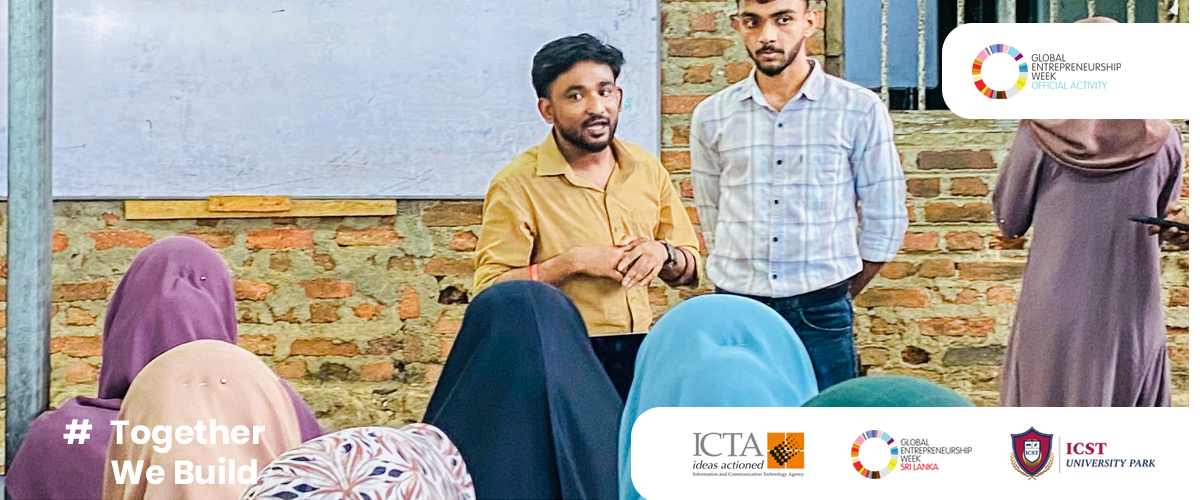
The Turning Hard Work Into Smart Work session, held on 23 November 2025 at EDC Institute, Sammanthurai as part of GEW 2025, focused on teaching students how to achieve better results with strategic effort rather than sheer labor. Conducted by ICST University Park under the guidance of MAM. Saheel Muba, the session aimed to reshape students’ understanding of productivity by emphasizing clarity, planning, and efficient execution over long, unfocused effort.
The session began by clearly defining the difference between hard work and smart work. Students learned that while hard work involves effort and dedication, smart work adds planning, prioritization, and conscious decision-making. The facilitator highlighted that working long hours without direction often leads to burnout, whereas strategic choices lead to meaningful progress and sustainable success.
Participants were introduced to essential productivity frameworks such as:
- Pareto Principle (80/20 Rule) – focusing on the tasks that create the highest impact
- Time-blocking – organizing the day with dedicated time segments
- Task prioritization – identifying what matters most and eliminating unnecessary effort
- Goal-oriented planning – setting clear objectives and actionable steps
These tools helped students understand how small changes in routine can significantly increase efficiency and reduce wasted effort. Practical examples and demonstrations made these concepts easy to understand and apply.
The session also focused on self-awareness and personal productivity rhythms. Students explored how to identify their peak performance times, minimize distractions, and align their work with their strengths. They were taught how to set SMART goals, break them into action plans, and evaluate progress regularly to stay on track.
Students also learned how digital productivity tools such as planners, reminder apps, and organizational systems—can support smart working habits. These tools help simplify tasks, manage schedules, and keep priorities clear, empowering students to achieve more with less stress.
By the end of the session, students recognized that smart work is not about working less it is about working better. They left with renewed confidence, equipped with practical strategies to enhance academic performance, strengthen professional growth, and build life-long habits that support success in a fast-paced world.