-
About
-
Global
-
About GEN
Operating in 200 countries to make it easier for anyone to start and scale.
-
Board + Staff
Leading the strategic direction and daily execution of the GEN mission.
-
Our Partners
A range of organizations contributing expertise, experience and energy.
-
About GEN
-
National Leadership
-
Managing Directors
Individuals leading GEN chapters and all aspects of national engagement.
-
Global Leaders
Individuals contributing to national engagement in GEN programs.
-
Managing Directors
-
Awards
-
Compass Awards
Celebrating excellence and honoring those making a difference.
-
Compass Awards
-
Support
-
Contact GEN
Reach out to our team with any questions.
-
Web Support
Report website issues to the web team
-
Contact GEN
-
Global
-
Our Work
-
Our Pillars
-
GEN Ecosystems
Stronger and more globally-connected entrepreneurial ecosystems.
-
GEN Founders
Empowering innovators from all backgrounds to achieve their full potential.
-
GEN Invest
The right capital in the right hands – at the right time.
-
GEN Policy
Evidence-based ideas for smart policy design to help entrepreneurs thrive.
-
GEN Ecosystems
-
Our Work
-
GEN Programs
View a list of all our programs.
-
GEN Events
Flagship events + ongoing event series driving connectivity.
-
GEN Competitions
Helping founders get discovered + helping organizers run a competition worth entering.
-
GEN Programs
-
Our Impact
-
Impact Reports
In-depth look at GEN’s impact each year since it began in 2008.
-
Impact Stories
Examples of GEN’s impact on individuals and ecosystems around the world.
-
Impact Reports
-
Our Pillars
-
Resources
-
GEN Connect
-
Ecosystem Connect
Connect with ecosystem builders + community leaders worldwide.
-
Founder Connect
Connect with founders building the next generation of startups.
-
Investor Connect
Connect with angels, VCs + other investors aligned to your stage + goals.
-
Mentor Connect
Connect with experienced mentors across our global network.
-
Ecosystem Connect
-
Policy + Research
-
GEN Atlas
Collection of public sector policies + programs to drive economic growth.
-
GEN Research Library
Collection of the latest research strategies, reports, data sets + more.
-
GEN Atlas
-
More Helpful Tools
-
Events Calendar
Find events advancing entrepreneurship near you + around the world.
-
GEN Speakers Bureau
Commission-free directory of speakers for your next entrepreneurship event.
-
GEN Community Directory
Searchable directory of GEN members representing 200 countries.
-
Builders Studio
An AI-powered platform that guides entrepreneurs from idea to launch.
-
No Bad Ideas
Card game designed to help turn your ideas into great ones – no mistakes.
-
Events Calendar
-
GEN Connect
-
Events
-
Overview
Brief summary of all GEN events + gatherings
-
Global Entrepreneurship Congress
Global gathering of delegates shaping the future of entrepreneurship.
-
GEC+
Regional or sector-specific deep-dives built off the GEC model.
-
Global Entrepreneurship Week
Join the movement of 40,000 events around the world each November.
-
GEN Exchange
Virtual webinars for GEN community members to explore timely issues.
-
GEN Meetup
Open-source model to hold your own ecosystem event.
-
Startup Huddle
Chapters crowd-sourcing advice + support, one entrepreneur at a time.
-
Startup Nations Summit
Gathering of policymakers on regulatory issues + innovative programs.
-
GET Forum
A global forum connecting Latin America and the Caribbean's ecosystem leaders.
-
Events Calendar
Find an entrepreneurship event near you.
-
Overview
-
News
-
Global Newsfeed
All of the unfiltered news + updates from the GEN community.
-
The Startup State
Major entrepreneurship announcements, reports, commentary + features.
-
Press + Media Kit
Official GEN assets and information for journalists, partners, and storytellers.
-
Subscribe
Sign-up to receive important updates, event invitations + more.
-
Global Newsfeed
- Countries


User login

Youth Economic Policy - Discussion
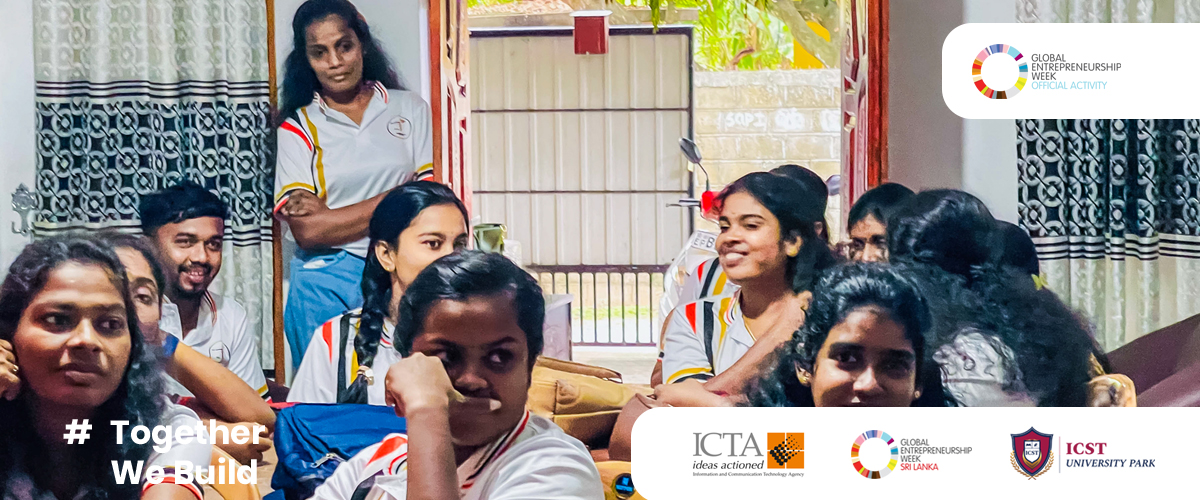
The Youth Economic Policy – Discussion session, held on 22 November 2025, helped students understand how economic policies shape their future opportunities as entrepreneurs, innovators, and leaders. The session emphasized that young people are not just affected by policy they have the power to influence it. Students were encouraged to view themselves as active participants who can shape the economic landscape through knowledge, collaboration, and advocacy.
The facilitator highlighted the powerful message: “Policy is the invisible hand that shapes opportunity.” Students explored how government decisions influence education access, startup funding, employment pathways, financial support, and innovation systems. This helped them see entrepreneurship not only as building businesses, but also as understanding the larger structures that impact success.
During the session, students engaged in policy scenario discussions to understand how different frameworks affect entrepreneurial ecosystems. They examined how inclusive policies can expand opportunities for youth, while restrictive policies can limit growth. These activities strengthened their critical thinking and helped them see how real-world economic environments are shaped.
A strong focus was also placed on youth advocacy and collective voice. Students were reminded that effective policy change often requires collaboration, alliances, and active participation in community and institutional dialogues. The facilitator shared the message: “Young entrepreneurs must not only build businesses but also build systems that support them.”
This inspired students to think about their dual responsibility as innovators and as contributors to economic development.
Students also learned about the importance of networks—connecting with peers, mentors, professionals, and organizations to amplify their influence. They understood that youth-driven policy engagement can lead to more supportive ecosystems for entrepreneurship, skill development, and sustainable growth.
By the end of the session, students expressed confidence in their ability to engage with economic policy thoughtfully and purposefully. They realized that youth economic policy is not abstract it is a practical tool that can empower them to innovate, advocate, and shape future opportunities. The session successfully encouraged students to see themselves not only as future entrepreneurs but as changemakers capable of influencing systems that define economic access and success.