


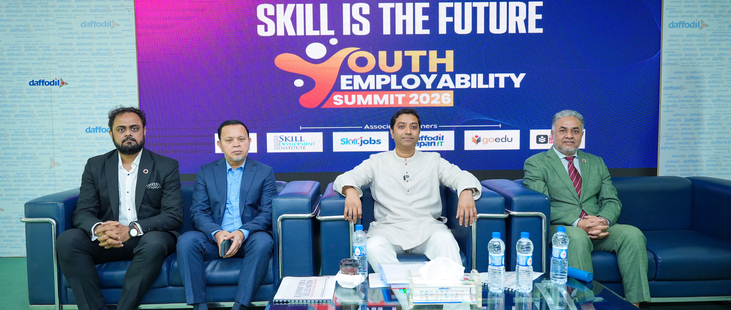



DHAKA, BANGLADESH — The Youth Employability Summit (YES) 2026 successfully concluded today at the 71 Auditorium, Daffodil Plaza, marking a historic milestone in bridging the critical gap between academic certification and industrial competency. Organized by the Global Entrepreneurship Network (GEN) Bangladesh in strategic association with Daffodil International University (DIU), the summit brought together hundreds of students, job seekers, and young professionals under the urgent theme: "Skill is the Future Currency."
The summit underscored a pivotal shift in the national discourse: moving away from a culture of rote memorization and degree-centric rewards toward a future built on performance, empathy, and practical expertise.
Chief Guest Mr. Bobby Hajjaj, MP, Honorable State Minister for Primary and Mass Education, reaffirmed the government’s commitment to a career-oriented education system. In his address, he stated:
"To build a 'Skilled Bangladesh,' our youth must transcend traditional certification. A degree is just a piece of paper if it isn't backed by a skill that an employer values. We must embrace technical and practical expertise tailored for the global market."
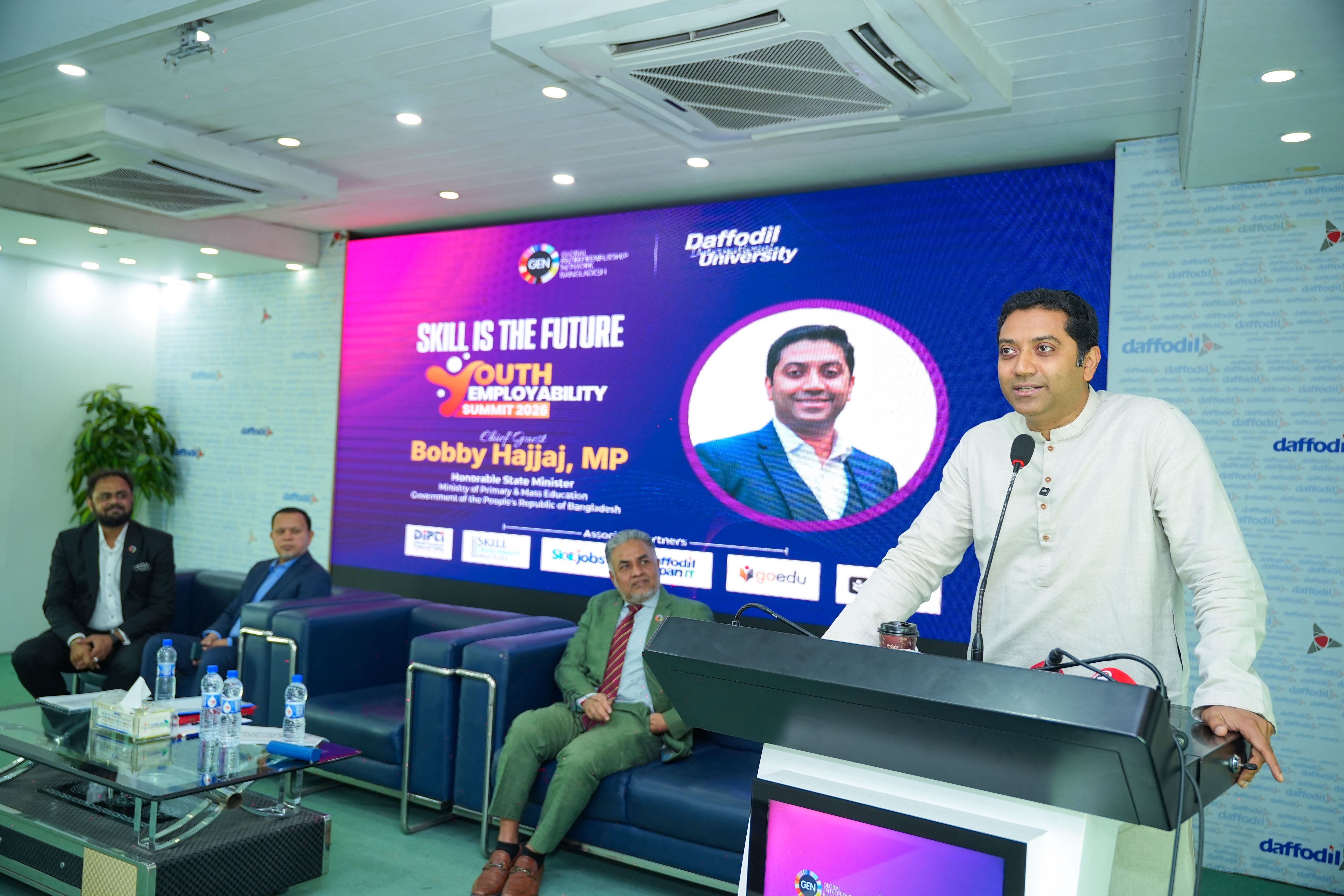
He challenged the youth to leverage AI tools like ChatGPT and Gemini to solve real-world problems. In a landmark announcement, he promised that the government would provide grants, funding, and personal support to any student group that successfully pilots innovative projects. "If you can show me a successful pilot that helps the people, the government will replicate it nationwide," he added.
Strategic Insights from Key Speakers:
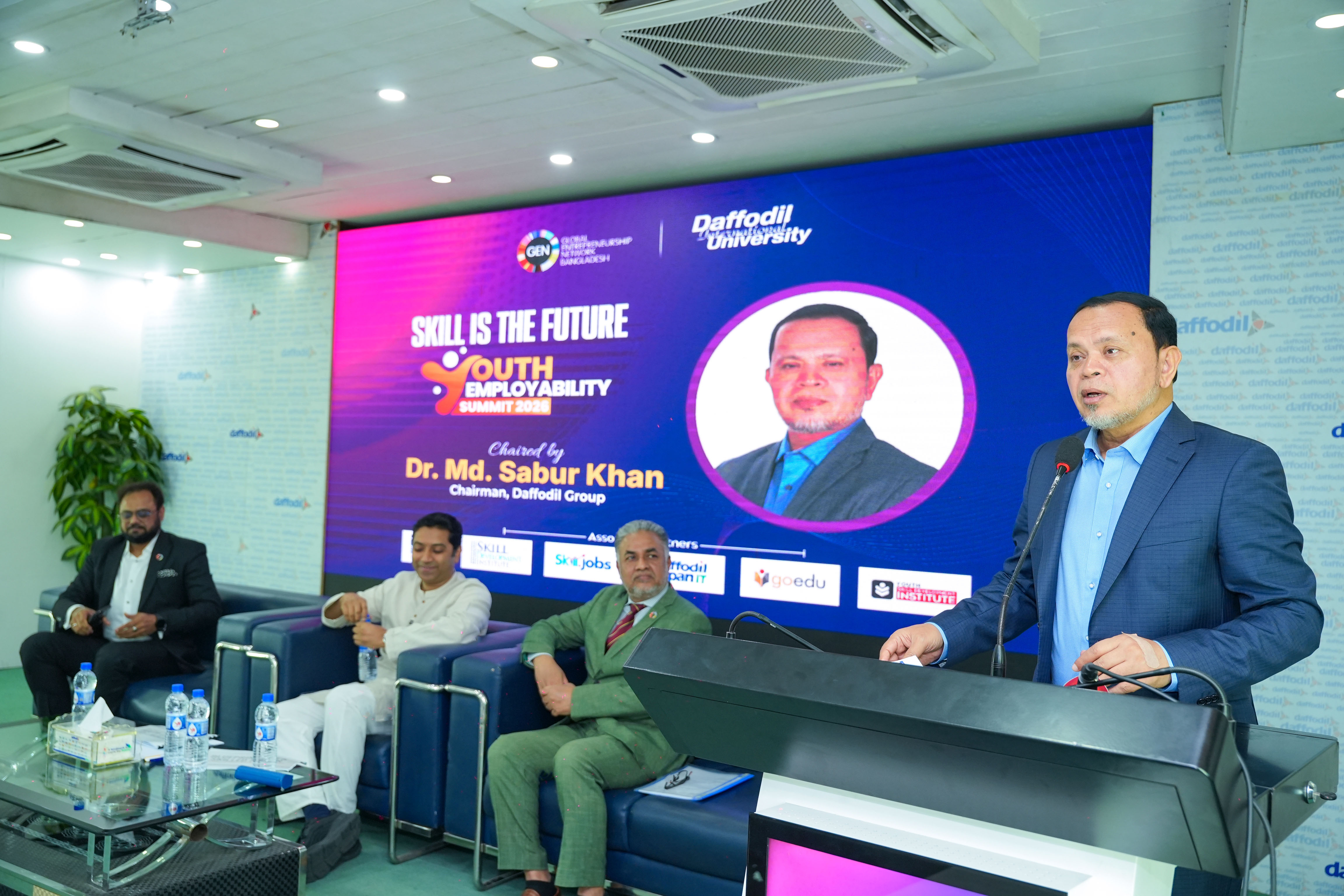
Dr. Md. Sabur Khan, Founder & Chairman of Daffodil Group and Session Chair, called for the early identification of skills, beginning at the daycare and nursery levels.
"The challenge today is to transform the mindset from being job seekers to becoming high-value global assets," Dr. Khan remarked. He criticized the "one-size-fits-all" approach that leads to career mismatches and pledged full funding from his foundation for pilot projects aimed at creating model "Skill-Integrated Schools."
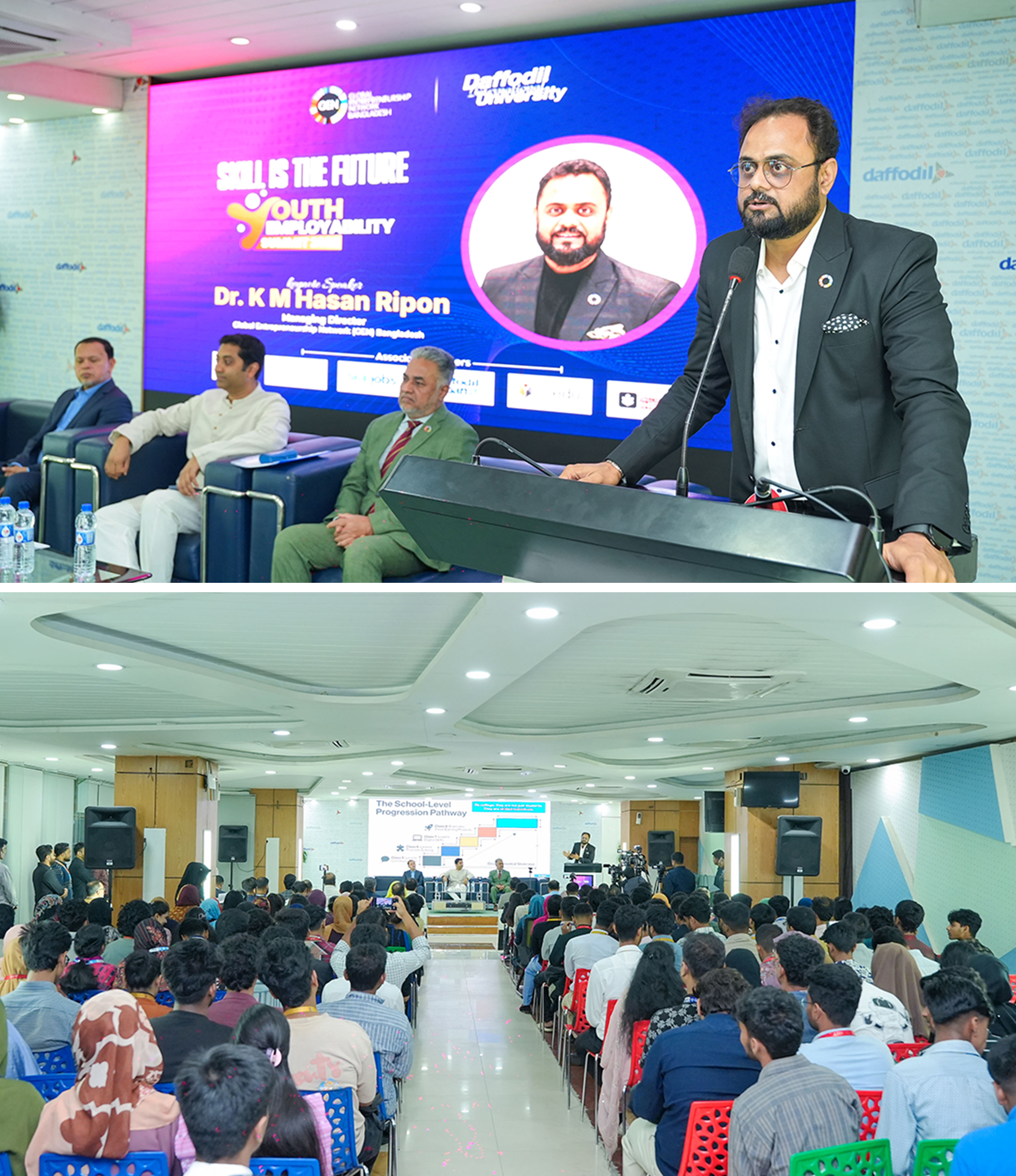
Dr. K. M. Hasan Ripon, Managing Director of GEN Bangladesh, delivered a keynote emphasizing that skills must no longer be an "add-on" to the curriculum.
"Our mindset needs to change. We must integrate skill-based performance into the core of our schooling from the primary level," Dr. Ripon stated, introducing a blueprint for a "Skill Nation" that transitions from "Learning for Exams" to "Learning for Earning."
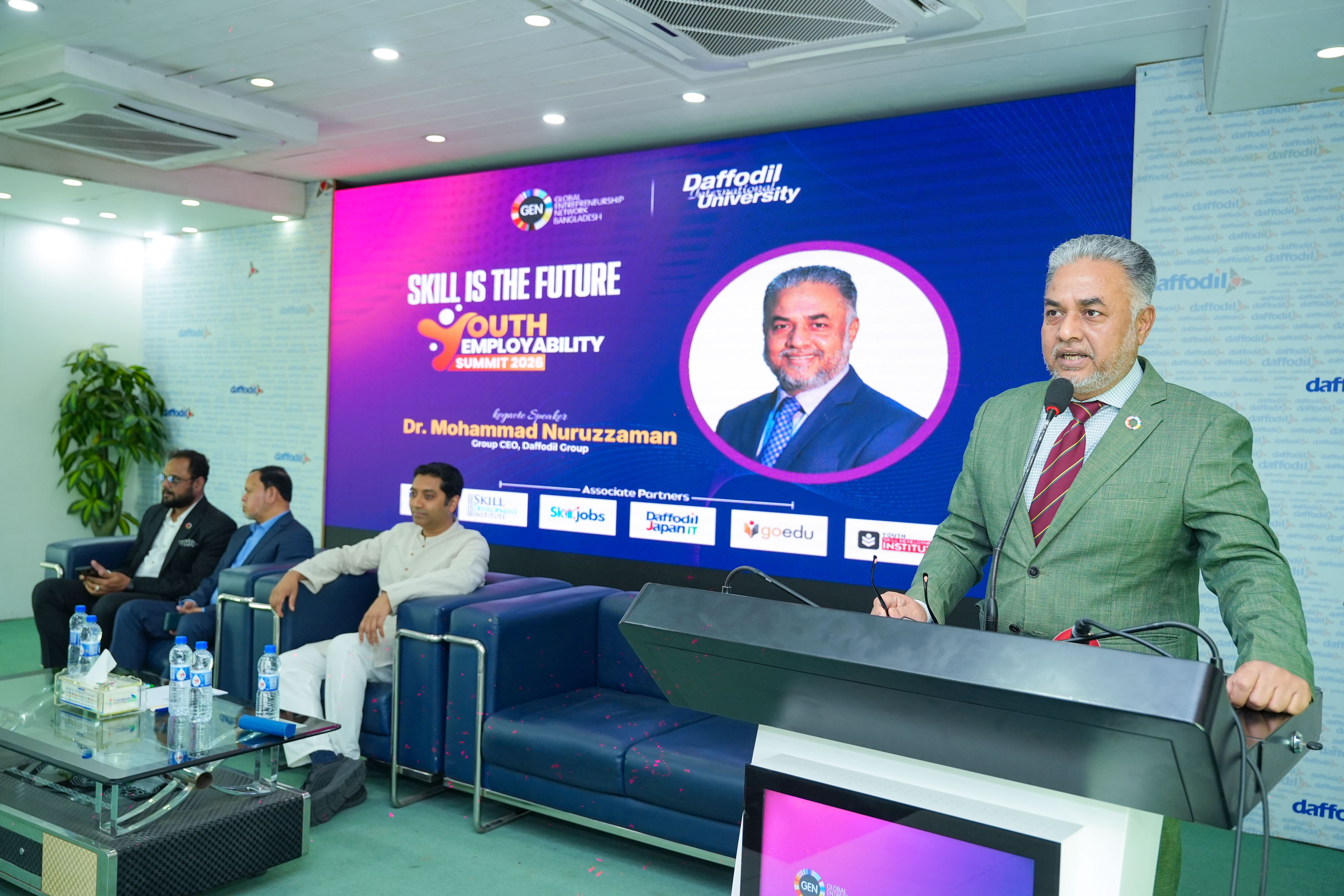
Dr. Mohammad Nuruzzaman, Group CEO of Daffodil Group, focused on behavioral transformation through mass education. He argued that literacy alone is insufficient for the 21st century.
"Mass education must evolve into a system that transforms thought, behavior, and decision-making," said Dr. Nuruzzaman. He proposed the development of "EduTech Bangladesh," a gamified, localized social media platform designed to turn content creation into a tool for national learning and earning.
Major Outcomes & Highlights:
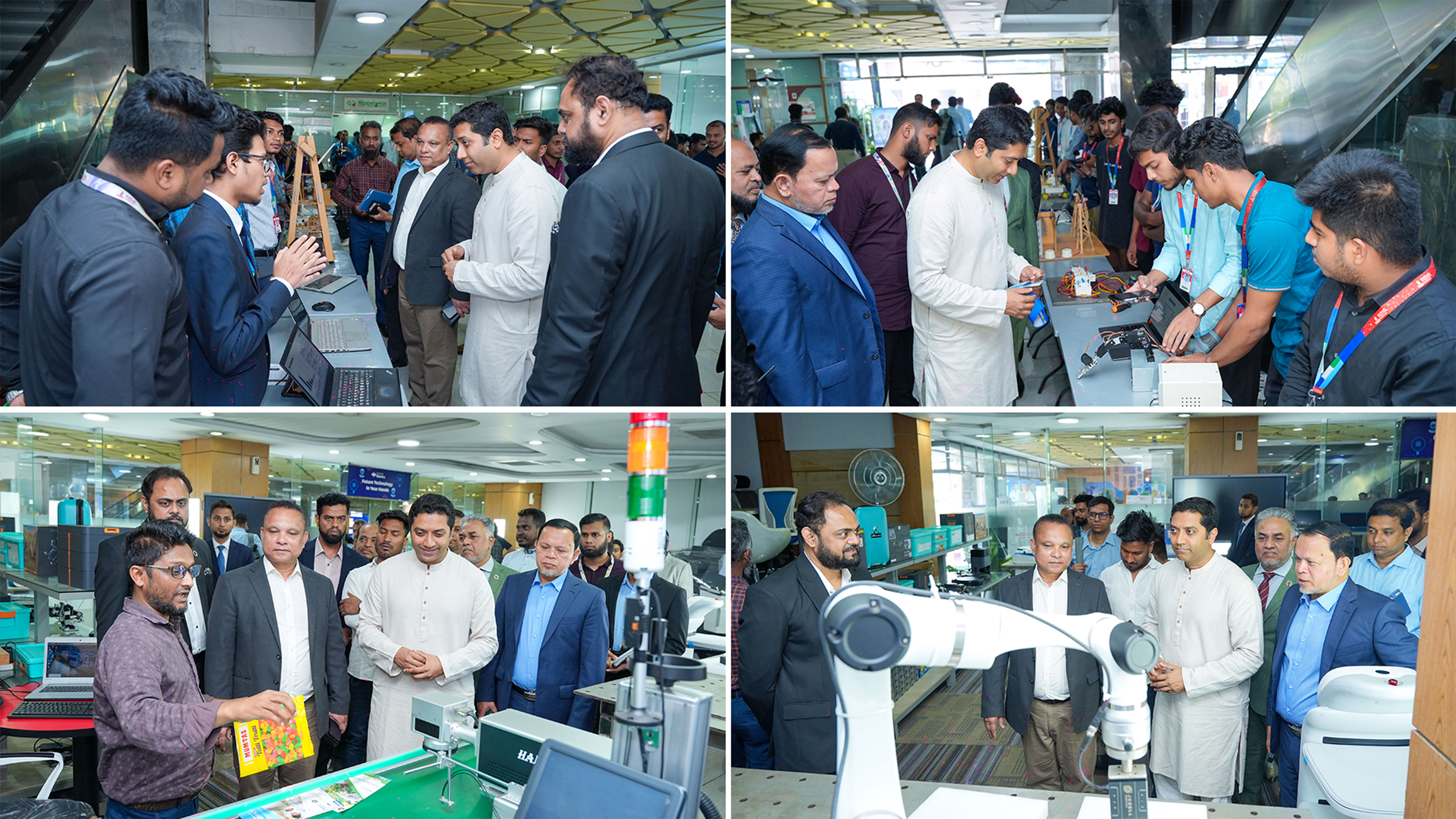
- Innovation Showcase: A major attraction was the exhibition of cutting-edge technical and creative projects developed by students from the National University and various Polytechnic Institutions, receiving high acclaim from industry experts.
- Global Policy Dialogue: Dr. Ziauddin Hyder, former senior official of the World Bank and Adviser to the BNP Chairman, outlined a roadmap for Bangladeshi youth to tackle global labor market volatility.
- Practical Skill Development: Complementing the strategic dialogues, the summit featured a specialized Employability Skills Development Workshop conducted by Mr. Amir Hamza, Assistant Director, HRDI. The workshop provided participants with hands-on techniques for career mapping, professional etiquette, and the "soft skills" necessary to navigate the modern corporate landscape, reinforcing the event's commitment to immediate, actionable learning.
- Four Pillars of the Future: The summit concluded with a consensus on four essential literacies for the next generation: Financial, Digital (AI-focused), Communication, and Empathy (shifting from a "Me-oriented" to a "We-oriented" culture).
The organizers announced immediate plans to launch low-risk pilot projects in selected primary schools to test skill-integrated modules, providing a scalable model for the Ministry of Education. The event concluded with an exclusive networking lunch at the Green Garden, where participants engaged directly with corporate leaders to discuss future career trajectories.
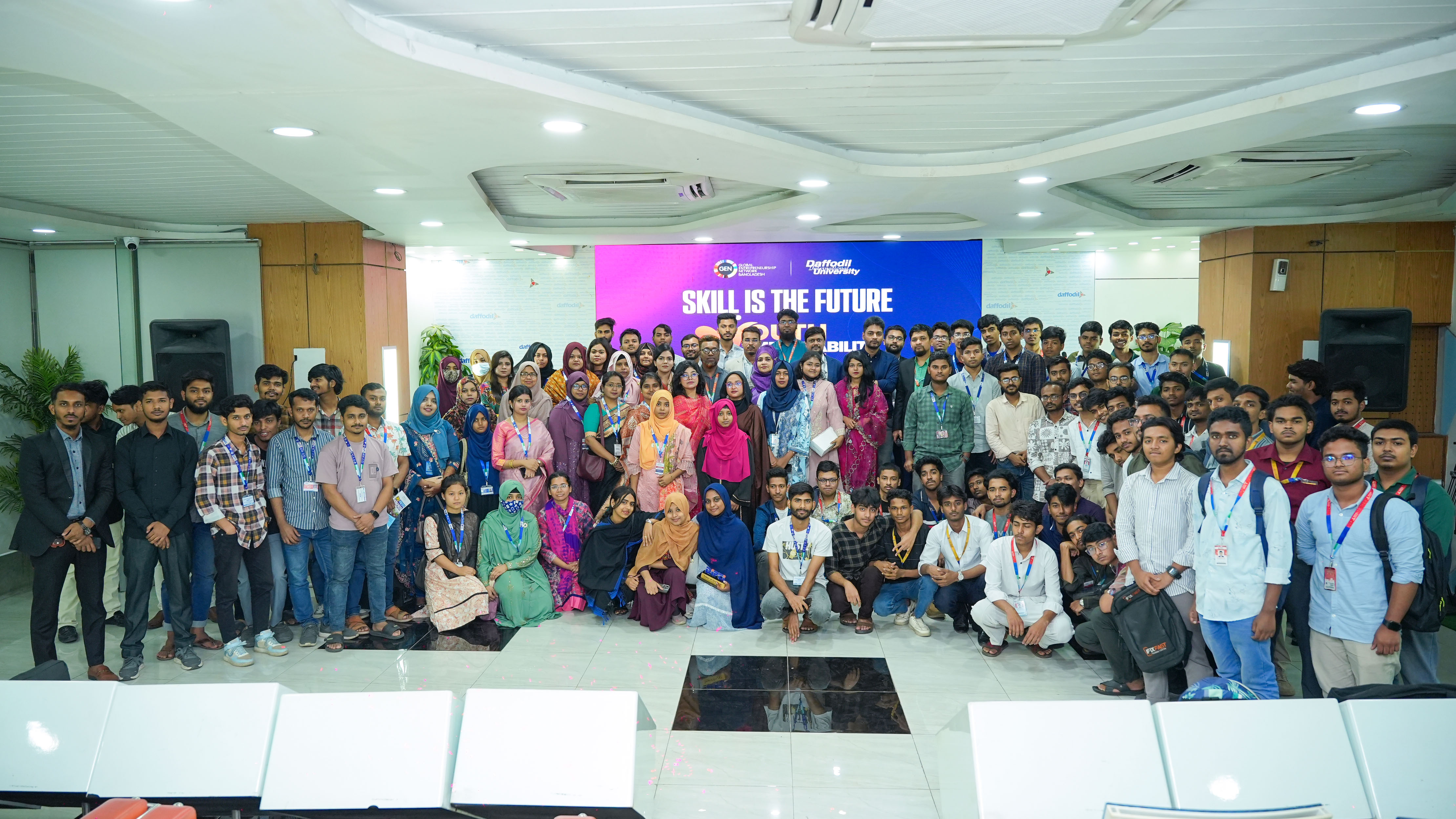
The summit was supported by a robust network of partners, including DIPTI, BSDI, Skill Jobs, DJIT, Daffodil Polytechnic, DIET, DTI and many more. The event concluded with an exclusive networking session, where participants engaged directly with corporate leaders and policymakers to discuss future career trajectories.
Media Contact:
Imran Hossain Nayem
Phone: 01833102819
Email: genbdprogram@gmail.com
| Attachment | Size |
|---|---|
| Skill is the Feture - Youth Employability Summit 2026.pdf | 2.25 MB |