-
About
-
Global
-
About GEN
Operating in 200 countries to make it easier for anyone to start and scale.
-
Board + Staff
Leading the strategic direction and daily execution of the GEN mission.
-
Our Partners
A range of organizations contributing expertise, experience and energy.
-
About GEN
-
National Leadership
-
Managing Directors
Individuals leading GEN chapters and all aspects of national engagement.
-
Global Leaders
Individuals contributing to national engagement in GEN programs.
-
Managing Directors
-
Awards
-
Compass Awards
Celebrating excellence and honoring those making a difference.
-
Compass Awards
-
Support
-
Contact GEN
Reach out to our team with any questions.
-
Web Support
Report website issues to the web team
-
Contact GEN
-
Global
-
Our Work
-
Our Pillars
-
GEN Ecosystems
Stronger and more globally-connected entrepreneurial ecosystems.
-
GEN Founders
Empowering innovators from all backgrounds to achieve their full potential.
-
GEN Invest
The right capital in the right hands – at the right time.
-
GEN Policy
Evidence-based ideas for smart policy design to help entrepreneurs thrive.
-
GEN Ecosystems
-
Our Work
-
GEN Programs
View a list of all our programs.
-
GEN Events
Flagship events + ongoing event series driving connectivity.
-
GEN Competitions
Helping founders get discovered + helping organizers run a competition worth entering.
-
GEN Programs
-
Our Impact
-
Impact Reports
In-depth look at GEN’s impact each year since it began in 2008.
-
Impact Stories
Examples of GEN’s impact on individuals and ecosystems around the world.
-
Impact Reports
-
Our Pillars
-
Resources
-
GEN Connect
-
Ecosystem Connect
Connect with ecosystem builders + community leaders worldwide.
-
Founder Connect
Connect with founders building the next generation of startups.
-
Investor Connect
Connect with angels, VCs + other investors aligned to your stage + goals.
-
Mentor Connect
Connect with experienced mentors across our global network.
-
Ecosystem Connect
-
Policy + Research
-
GEN Atlas
Collection of public sector policies + programs to drive economic growth.
-
GEN Research Library
Collection of the latest research strategies, reports, data sets + more.
-
GEN Atlas
-
More Helpful Tools
-
Events Calendar
Find events advancing entrepreneurship near you + around the world.
-
GEN Speakers Bureau
Commission-free directory of speakers for your next entrepreneurship event.
-
GEN Community Directory
Searchable directory of GEN members representing 200 countries.
-
Builders Studio
An AI-powered platform that guides entrepreneurs from idea to launch.
-
No Bad Ideas
Card game designed to help turn your ideas into great ones – no mistakes.
-
Events Calendar
-
GEN Connect
-
Events
-
Overview
Brief summary of all GEN events + gatherings
-
Global Entrepreneurship Congress
Global gathering of delegates shaping the future of entrepreneurship.
-
GEC+
Regional or sector-specific deep-dives built off the GEC model.
-
Global Entrepreneurship Week
Join the movement of 40,000 events around the world each November.
-
GEN Exchange
Virtual webinars for GEN community members to explore timely issues.
-
GEN Meetup
Open-source model to hold your own ecosystem event.
-
Startup Huddle
Chapters crowd-sourcing advice + support, one entrepreneur at a time.
-
Startup Nations Summit
Gathering of policymakers on regulatory issues + innovative programs.
-
GET Forum
A global forum connecting Latin America and the Caribbean's ecosystem leaders.
-
Events Calendar
Find an entrepreneurship event near you.
-
Overview
-
News
-
Global Newsfeed
All of the unfiltered news + updates from the GEN community.
-
The Startup State
Major entrepreneurship announcements, reports, commentary + features.
-
Press + Media Kit
Official GEN assets and information for journalists, partners, and storytellers.
-
Subscribe
Sign-up to receive important updates, event invitations + more.
-
Global Newsfeed
- Countries


User login

Opening remarks and introduction of Artificial Intelligence on Day 2 of the Global Entrepreneurship Week 2024
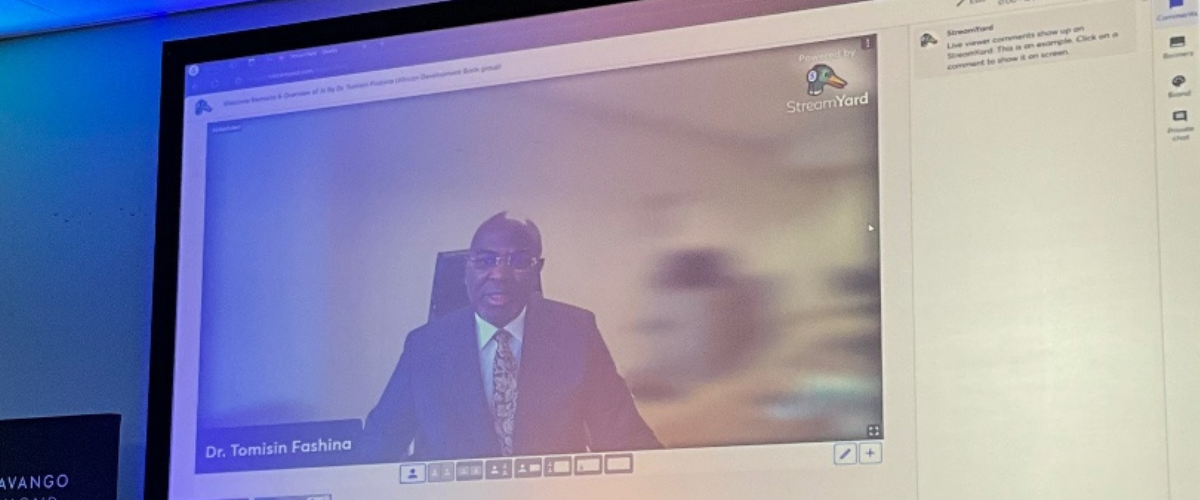
Good morning and welcome to Day 2 of the Global Entrepreneurship Week 2024. I hereby acknowledge the presence of:
1. U.S Ambassador Howard Van Vranken
2. Diplomats: Embassy of Ukraine in Botswana, India High Commissioner, Zambia Embassy Diplomats, Kenya Embassy Diplomats, Algerian Embassy Diplomats
3. CEO of Okavango Diamond Company Mr. Mmetla Masire
4. Startups and Innovators
5. Mr Mooketsi Bennedict TEKERE -, Chairman of Global Entrepreneurship Week Botswana 2024
Ladies and Gentlemen,
Good morning and welcome to the Artificial Intelligence Stream at the Global Entrepreneurship Week 2024, hosted by the esteemed Botho University of Botswana. It is an honor to be here today to discuss a topic that is not only shaping our present but also defining our future: Artificial Intelligence (AI).
Artificial Intelligence, once a concept confined to the realms of science fiction, has now become an integral part of our daily lives. From the smartphones in our pockets to the algorithms that drive our social media feeds, AI is everywhere. But beyond these everyday applications, AI is revolutionizing industries, creating new opportunities, and presenting unique challenges. AI market trends show that AI will contribute over $15 trillion to the global economy by 2030. Africa currently contributes about $7billion and is projected to grow to $18billion by 2030 driven by innovations in machine learning and deep learning technologies. We as a region, have great opportunities for impact when it comes to AI.
In the healthcare sector, AI is transforming patient care through predictive analytics, personalized treatment plans, and advanced diagnostic tools. For instance, AI algorithms can analyze medical images with remarkable accuracy, assisting doctors in early detection of diseases such as cancer. This not only improves patient outcomes but also reduces the burden on healthcare systems.
The financial industry is also experiencing a paradigm shift due to AI. Automated trading systems, fraud detection algorithms, and personalized financial advice are just a few examples of how AI is enhancing efficiency and security in financial services. These innovations are enabling financial institutions to offer more tailored services to their clients, thereby improving customer satisfaction and loyalty.
In the realm of education, AI is personalizing learning experiences for students. Intelligent tutoring systems can adapt to individual learning styles and paces, providing customized support and resources. This is particularly beneficial in a diverse educational landscape like ours, where students have varying needs and backgrounds.
For entrepreneurs, AI offers a plethora of opportunities. Startups can leverage AI to gain insights from big data, optimize operations, and create innovative products and services. AI-driven market analysis can help entrepreneurs identify trends and make informed decisions, giving them a competitive edge in the market.
AI in the Entertainment Industry
The entertainment industry is another sector where AI is making significant strides. AI technologies are being used to create content, enhance user experiences, and streamline production processes. For example, AI can generate storylines, character arcs, and dialogue for movies and TV shows, providing writers with new tools to enhance their creativity. AI is also being used to create realistic visual effects, de-age actors, and even clone voices. These advancements are not only making production more efficient but also opening up new possibilities for storytelling.
Moreover, AI is transforming how content is consumed. Streaming services use AI algorithms to recommend shows and movies based on viewers' preferences, ensuring a personalized viewing experience. AI can also analyze social media trends and viewer feedback to predict the success of new releases, helping studios make data-driven decisions.
However, the integration of AI in the entertainment industry also raises important ethical and legal questions. Issues such as intellectual property rights, data privacy, and the potential for job displacement need to be carefully considered and addressed.
However, with these opportunities come significant challenges. One of the primary concerns is the ethical implications of AI. Issues such as data privacy, algorithmic bias, and the potential for job displacement need to be addressed proactively. It is crucial for policymakers, technologists, and society at large to work together to develop frameworks that ensure the responsible and equitable use of AI.
For students and professionals, the rapid advancement of AI necessitates continuous learning and adaptation. The skills required in the job market are evolving, and it is essential to stay updated with the latest developments in AI and related technologies. Educational institutions and employers must collaborate to provide training and upskilling opportunities to prepare the workforce for the future.
In conclusion, Artificial Intelligence is a powerful tool that holds immense potential to transform industries and improve lives. As we navigate this exciting frontier, it is imperative to harness AI's capabilities responsibly and inclusively. Let us embrace the opportunities it presents, while also addressing the challenges, to create a future where AI benefits all of humanity.
Thank you, and I look forward to the insightful discussions and innovations that will emerge from this stream.