

The following article was submitted by Alianza para el Emprendimiento e Innovación as part of a series to introduce the world to Ecuador's entrepreneurship ecosystem ahead of the GET Forum (Oct. 5-7 in Quito). The GET Forum is co-organized by IDB Group, GEN, AEI, and the Government of the Republic of Ecuador.
Ecuador has spent decades being world-class at growing things like cacao, bananas, and dragon fruit. What it hasn't always done is capture what those crops are actually worth. That's the gap that a new Innovation Hub by Alianza para el Emprendimiento e Innovación (AEI) just opened its doors to close.
Here's the thing: Ecuador is one of only 17 megadiverse countries on the planet, holding an estimated 10% of the world's plant species in a territory most countries would call small. That's an extraordinary natural R&D pipeline. And yet the country invests roughly 0.44% of its GDP in research and development, below the Latin American average, and nowhere near what economies like the US or South Korea spend.
We have the raw material for the next generation of science-backed products sitting in our backyard, and not nearly enough people or funding pointed at figuring out what to do with it.
Betting on agro and biotech isn't optional if the country wants to turn that biodiversity into solutions instead of watching it get studied or exploited by someone else. And that starts with people: scientists, technicians, and founders trained and retained here, not abroad.
That's exactly the shift the AEI’s Innovation Hub is chasing. Take a fruit peel or plant residue that sells for pennies today, run it through biotechnology, and it becomes a functional ingredient a cosmetics, nutraceutical, or pharma company will actually pay for: stop shipping commodities, start shipping science.
That shift changes everything downstream:
- 5 to 10x more value per kilo of raw material: the same orange peel, cacao husk, or chocho bean, worth exponentially more once it's a bioactive ingredient instead of waste.
- Specialized jobs, not just field labor: biotech, formulation, and R&D roles that keep talent in the country instead of exporting it.
- Technological sovereignty: Ecuador owns the IP and the process, not just the harvest.
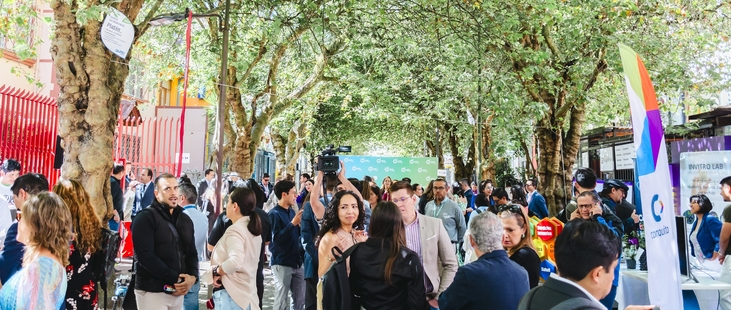
The innovation HUB is starting up inside a new city’s project, the first Innovation District in Quito which comes with a new municipal ordinance that carves out La Mariscal neighborhood, Quito's dense, walkable university district, as the Hub's home base, with real incentives behind it. Over 100,000 students already study within reach, giving the Hub instant access to academic talent and a built-in pipeline for connecting researchers to businesses that need them. It's designed to be a magnet, not a monument: a place where BioAgroTech solutions are visible, testable, and constantly in motion.
If you're building something at the intersection of biodiversity and business, reach out to Alianza para el Emprendimiento e Innovación to explore how to collaborate with the Hub.