Session Description
What if every student had the chance to think like an entrepreneur—before they ever left high school?
This session brings together leading voices reimagining K–12 education to foster entrepreneurial mindsets, real-world learning, and future-ready skills:
Together, they’ll share with the audience:
- What it takes to integrate entrepreneurship into early education;
- Models for collaboration between schools, communities, and industry;
- And why the classroom is the most powerful place to start transforming lives through entrepreneurship.
Session Recap
Seeds of Innovation and Youth Entrepreneurship
Step into the dynamic world of youth entrepreneurship! This session brought together experts from leading organizations to discuss how to ignite the entrepreneurial spark in students from kindergarten through high school and beyond. Explore the innovative approaches being used, the challenges of engaging educators, and the power of public-private partnerships in fostering the next generation of innovators and leaders. Gain insights into how entrepreneurship education is not just about starting businesses, but about building essential life skills and preparing students to be the "CEO of their life".
Session Outline
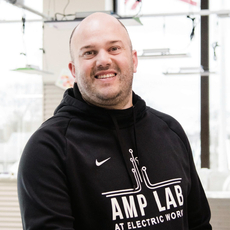
Introduction of Panelists: Featuring leaders from Bridge Entrepreneurs Network (BIN), HR Palante, International Strategic Management/Connecting Dots Globally, NIFTY (Network for Teaching Entrepreneurship), and the AMP Lab at Electric Works.
Proud Accomplishments: Panelists shared key successes of their organizations, including impacting historically underserved populations, scaling equitable entrepreneurship education, witnessing parent pride, and influencing public policy for K-12 integration.
Engaging Students: Discussion on methods like problem-based and experiential learning, using competitions, connecting ideas to real-life problems and skill sets, providing real-world project opportunities, and leveraging mentorship. Examples included student-led basketball camps, legal business alternatives, problem-solving innovations like power generators, and developing products like healing popsicles. The importance of just "moving out of the way" and letting kids think was highlighted.
Engaging Educators & Administrators: Exploring challenges in retooling educators. Strategies discussed included co-creating programs with teachers, providing professional development and certification, adopting an "educator first mentality", offering opportunities for teachers to stand out, leveraging policy support, and supporting them in accepting less structured activities that foster mindset development. Teachers experiencing entrepreneurship experientially themselves was key.
Public-Private Partnerships & Economic Development: Discussion on blurring the lines between formal education and the broader ecosystem. Examples included bringing guest speakers and industry tours into the classroom, facilitating internships, connecting students with incubators and support organizations, organizations providing pro bono services, industry-sponsored challenges, and volunteer engagement from professionals. The potential for entrepreneurial education to drive local economic development was also discussed, citing examples like attracting university investment.
Policy Influence: Strategies for influencing policy makers and curriculum designers involved demonstrating measurable outcomes through certification exams and mindset indexes, as well as bringing policymakers to hear directly from students. One approach mentioned was for alliances to design and freely provide curriculum aligned to core subjects to the department of education.
Notable Quotes
"We are basically developing the skills for kids so that they become the CEO of their life."
"Approach entrepreneurship education not from a theoretical perspective but from a problem-based experiential perspective."
"Too often when we deal with high school students, we forget that we are really trying to build a toolkit that they can carry with them."
"How do you best influence policy makers and curriculum designers to allow the space in K through 12 curriculum for entrepreneurship? We basically took over."
Key Takeaways
Experiential Learning is Key: Entrepreneurship education is most effective when approached from a problem-based, experiential perspective rather than theoretical. Students should engage in real-world projects and see the impact.
Support and Develop Educators: Successfully integrating entrepreneurship requires investing in teachers through professional development, certification, co-creation of programs, and helping them feel valued and equipped to teach these concepts.
Foster Public-Private Ecosystems: Partnerships between schools, businesses, universities, and community organizations are vital for providing real-world context, mentorship, resources, and pathways for students beyond the classroom.
Influence Policy with Data and Impact: To create systemic change, demonstrate the impact of entrepreneurship education through measurable outcomes (cognitive and non-cognitive) and connect policymakers directly with student successes. Boldness in driving policy change is also suggested.
Focus on Mindset, Not Just Startups: The core goal is to develop an entrepreneurial mindset, resilience, and a toolkit of skills that prepare students to be adaptable, lifelong learners, and "globally competitive citizens", whether they start a business or pursue another path.
Resources Mentioned
HR Palante Toolkit: A toolkit including eight mini posters describing their system for transforming schools into enterprising communities.
NIFTY (Network for Teaching Entrepreneurship): An organization providing equitable access to entrepreneurship education. Their programs include the World Series of Innovation.
Connecting Dots Globally: An organization focusing on entrepreneurship and small business development from K12 to beyond. Programs mentioned include Global Trade Mission and virtual trade missions. A QR code for downloading examples of their work was mentioned.
AMP Lab at Electric Works: A public high school program in Fort Wayne, Indiana, serving as a think tank and launchpad for students.
Certaport (Pearson): A publishing company mentioned in the context of providing certification exams and tests for measuring entrepreneurial knowledge and mindset.
ETS (Electronic Testing System): Mentioned alongside Certaport for providing tests, including the entrepreneurial mindset index.
Youth Startup Experience: An adaptation of the Startup Weekend model used in Puerto Rico as a kickoff for school clubs, involving community participation.
Action Items
Engage with Panelists: You are encouraged to engage with this "amazing group of people" and benefit from their experience rather than trying to reinvent things yourself.
Pull on the Spark: If you see an entrepreneurial spark in an administrator, teacher, student, or parent, "pull on that" and make it happen, as you "never know what that spark might turn into".