Session Description
The State and Local Policy Summit convened state and city representatives from around the United States. Government officials shared their top priorities for the year ahead and their strategy for increasing rates on new firm formation and economic development in their city or state.
With more state and local governments assuming the leadership role in advancing policies that accelerate entrepreneurship in their regional economies, this Summit spotlighted innovative ideas showing how U.S. policymakers are advancing entrepreneurship at home and how those efforts can serve as a model globally.
Session Recap
This session brought together policy makers and entrepreneurship leaders from across the United States to discuss the critical role of entrepreneurship in economic development and how state and local governments can best support new and small businesses. Speakers emphasized that entrepreneurs are the primary drivers of net job creation and economic growth, yet often face significant barriers like red tape, high fees, and lack of resources. The conversation highlighted successful strategies being implemented in various states and cities, including creating dedicated offices for entrepreneurship, streamlining regulations, expanding access to capital and government contracts, and building collaborative ecosystems at the regional and local levels. The discussion underscored the bipartisan support for fostering entrepreneurship and the potential for states and cities to serve as laboratories for innovative approaches to support their entrepreneurial citizens.
Session Outline
Welcome and Context: Introduction to the State and Local Policy Maker Summit hosted by the Global Entrepreneurship Network, emphasizing the role of government in removing barriers to entrepreneurship and celebrating entrepreneurs. Discussion of the Global Entrepreneurship Congress tradition and its growth.
Governor Mike Braun's Remarks: Welcome address from Indiana's Governor, sharing his background as a serial entrepreneur and his perspective on the challenges entrepreneurs face. Highlighting Indiana's efforts to improve the environment for startups, including the creation of the Office of Entrepreneurship and Innovation. Discussion on the importance of local governments and finding the "sweet spot" for government support without over-involvement.
Secretary of Commerce (Indiana) Remarks: Discussion on the focus of Indiana's Office of Entrepreneurship and Innovation on Main Street entrepreneurs, in addition to venture capital work. Emphasizing the need to reduce friction for businesses, stand up success stories, and focus on regional ecosystems and listening to entrepreneurs. Confirmation of the new legislation being signed into law.
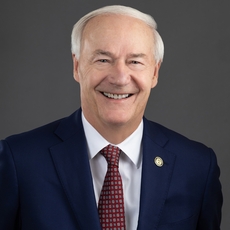
Former Governor Asa Hutchinson (Arkansas) Remarks: Sharing Arkansas's experience focusing on entrepreneurship as the "jobs governor". Highlighting the importance of computer science education, capital formation, and building a supportive community. Detailing accelerator programs involving state and industry partnerships, emphasizing metrics and success stories like Aptagy.
City and County Perspectives:
Mayor from New Haven, Indiana: Emphasizing learning from other communities (like Arkansas), the importance of regional focus in Northeast Indiana, and a local philosophy of "let's get to the yes" to reduce red tape.
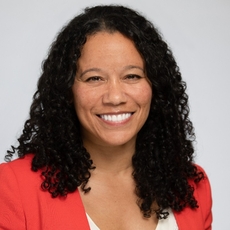
City of Omaha, Nebraska (Carol Gonzalez): Discussing a city-level platform to streamline business processes and a program to inject city money into local economies through small business access to contracts. Highlighting an Economic Equity and Inclusion Program encouraging larger contractors to utilize small businesses, youth engagement, and workforce development.
Jackson County, Indiana (Commissioner Jackson C Drew Markle): Advocating for breaking the wall between entrepreneurship and economic development, leveraging infrastructure like gig fiber, and using ARPA funds for a co-working space (Spark). Emphasizing Entrepreneurship Through Acquisition (ETA) as a crucial focus to preserve existing businesses and jobs, highlighting the need for government help with M&A costs and accessing capital. Discussing the relationship between county government and the local chamber of commerce.
Right to Start Presentation: Overview of Right to Start's mission, strategic pillars (lift voices, change policies, change communities, change minds). Data highlighting young businesses as the only constant source of net job creation. Discussing the economic benefits of entrepreneurship (GDP growth, lifetime incomes, community wealth, diversification, fighting inequality). Presenting poll data on the challenges of starting a business and public perception of government support. Comparing US startup fees to other countries. Highlighting political support for making it easier to start businesses. Sharing success in advocating for Offices of Entrepreneurship at the state level (Nevada, Missouri, Colorado, Kansas, New Mexico, Michigan, Indiana). Mentioning other policy recommendations and successes (Texas expedited services, franchise tax cut for veteran businesses). Highlighting city leadership examples (Miami, Kansas City, Atlanta, Detroit, Los Angeles). Introduction of the National Entrepreneurship Leaders Network.
Moderated Discussion on Policy and Implementation:
Representative Teska (Indiana): Discussing Indiana's legislative journey, previous efforts (regulatory sandbox), and the importance of the Office of Entrepreneurship. Highlighting the need to celebrate state wins, counteract the coastal pull for tech startups, and look at broader entrepreneurial activity like ETA and ESOPs.
Former Senator Steve Kaiser (Arizona): Sharing challenges advocating for fee/tax reductions in a divided state, the confusion around defining different types of businesses, and the influence of large businesses in policy discussions. Emphasizing the need for entrepreneurs to have a voice in the legislature.
Nora Myers Sackett (New Mexico): Discussing New Mexico's investment in innovation and technology using budget surpluses. Detailing new legislation, funding for R&D, grants, incubators/accelerators, and venture studios. Highlighting "parachute" funding for university tech commercialization and the impact of other state programs like free college and child care on reducing barriers to entrepreneurship.
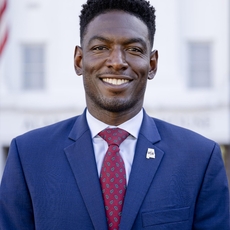
Representative Gray (Alabama): Discussing the creation of Innovate Alabama through a public-private partnership and commission. Highlighting focus areas (K-12, postsecondary, infrastructure, capital access) and supplemental funding for R&D. Mentioning success metrics (allotted funds, network partners, supplemental recipients, jobs created).
Michael (Fort Worth, Texas): Sharing a perspective from a "failed entrepreneur" turned elected official. Discussing partnership with Institute for Justice's Cities Work program to identify and reduce regulatory barriers and streamline processes. Highlighting collaborations with organizations like the National League of Cities and Hispanic Chamber on programs for underserved neighborhoods.
Rep Roo (Washington): Discussing budget challenges affecting new programs, maintaining basic funding for associate development organizations, and changes in the Department of Commerce. Highlighting focus areas like infrastructure (broadband) and transitioning startups to successful, high-capacity businesses.
Taylor V (Wyoming): Discussing the unique challenges of a large, sparsely populated state. Emphasizing collaboration, understanding local problems, and government acting as a catalytic presence to set up systems for success. Highlighting the need to critically evaluate applying standard playbooks to different economic conditions.
Implementation Discussion: Focusing on the day-to-day work of supporting entrepreneurs.
David (Indiana): Discussing the Innovate Within program, a high school entrepreneurship program, highlighting the mindset shift, connecting students to local resources, and the multiplier effect of training teachers.
Steve Kaiser: Mentioning supporting trades, reforming non-compete language, and challenging the punitive mindset in schools regarding students selling items.
Taylor Overton (Kansas): Sharing her personal experience with a youth entrepreneurship program and the importance of the narrative around entrepreneurship. Discussing a program providing resources and grants for teachers to infuse entrepreneurial mindsets in curriculum.
Coranne (National League of Cities): Discussing the challenge of engaging smaller communities without dedicated economic development staff. Highlighting the need to bridge divides and get informal entrepreneurs comfortable with working with government.
Jenny McDonald (Institute for Justice): Explaining the free Cities Work program that partners with cities to identify and help implement reforms to regulatory barriers, focusing on detailed steps, permits, and fees. Emphasizing the high cost of starting a brick-and-mortar business due to fees.
Jennifer McGreel (Oklahoma): Stressing the importance of looking beyond urban areas to rural communities. Detailing Oklahoma's accelerator program, including a partnership with the Oklahoma Farm Bureau for rural areas, and leveraging trusted partners to build innovation ecosystems. Highlighting the potential for entrepreneurship in farm communities.
Melissa (Nevada): Introducing the new Office of Entrepreneurship in Nevada. Highlighting the value of community events to hear challenges directly from entrepreneurs and the focus on identifying gaps and reducing red tape (e.g., licensing issues for barbers).
Dr. Gray (California): Discussing California's large small business economy and the contribution of diverse businesses. Highlighting small businesses as "ambassadors" through exports. Detailing the Accelerate California inclusive innovation hubs program intentionally placed in rural areas with specific concentrations. Mentioning reorganizing state small business credit initiative funds to create the Scale Success network for technical assistance and the goal of helping small businesses scale.
Conclusion and Future Plans:
Victor (Right to Start): Summarizing key themes: commonalities in challenges, connections and bridging divides, importance of education/knowledge, and experimentation at state/local levels. Gauging interest in continuing cross-national dialogue. Discussing expansion of the National Entrepreneurship Leaders Network. Announcing the America the Entrepreneurial national campaign for America's 250th birthday to elevate entrepreneurship nationally. Thanking attendees and hosts.
Notable Quotes
"New companies equal new jobs."
"We have to break the wall between entrepreneurship and economic development."
"When you don't have a mountain of student debt looming over you, perhaps you are less reticent to take that leap to start a business of your own..."
"...government does not operate at the speed business..."
Key Takeaways
Entrepreneurs are the engine of job creation and economic growth: Data consistently shows that young businesses are the primary source of net new jobs, making support for startups and scaling small businesses crucial for state and local economies.
Reducing red tape and regulatory barriers is critical: Entrepreneurs, particularly those from disadvantaged backgrounds or in informal sectors, face significant challenges and costs due to complex regulations, fees, and licensing requirements; streamlining processes and actively removing barriers is a key role for government.
Collaboration and tailored support are essential: Effective entrepreneurship support requires bridging divides (urban/rural, tech/non-tech, government/community), building trust with entrepreneurs, leveraging trusted local partners (like chambers, Farm Bureaus), and tailoring programs to regional needs and economic conditions rather than applying one-size-fits-all approaches.
Government has a catalytic, not controlling, role: The most effective government support involves creating the right environment, setting up systems for success, providing access to resources and capital (especially non-dilutive or early-stage funding), and championing entrepreneurship, rather than trying to run businesses or over-regulating.
Investing in entrepreneurship education and talent development is vital: Fostering an entrepreneurial mindset starting in K-12 education, supporting trade skills, and addressing broader issues like affordable child care and higher education access can significantly impact future entrepreneurial activity and the availability of a skilled workforce.
Resources Mentioned
Global Entrepreneurship Network (GEN)
Global Entrepreneurship Week
Kauffman Foundation
Right to Start (righttostart.org)
Startup Genome
Office of Entrepreneurship and Innovation (Indiana)
Indiana Economic Development Corporation (IEDC)
National Entrepreneurship Leaders Network (Right to Start)
Cities Work Program (Institute for Justice)
National League of Cities
Spark (Jackson County, Indiana co-working space initiative)
Entrepreneurship Through Acquisition (ETA)
Innovate Alabama
Oklahoma Center for the Advancement of Science and Technology (OCAST)
Accelerate California (inclusive innovation hubs)
Scale Success (California network)
America the Entrepreneurial national campaign (americaantontrepreneurial.org)
World Bank Doing Business Survey
SBA Poll
Council of State Governments (Shared State Legislation)
Governing magazine
Inc. Magazine
Regulatory Sandbox
Employee Stock Ownership Plans (ESOPs)
Action Items
Continue cross-national state and local dialogue to share learnings and experiences.
Expand the National Entrepreneurship Leaders Network to include cities and counties.
Join and participate in the America the Entrepreneurial national campaign to elevate the issue of entrepreneurship heading into America's 250th birthday in 2026.
Connect with Right to Start and the National Entrepreneurship Leaders Network to share challenges and best practices.
Consider partnering with the Institute for Justice's Cities Work program to assess and reform local regulatory barriers.