-
About
-
Global
-
About GEN
Operating in 200 countries to make it easier for anyone to start and scale.
-
Board + Staff
Leading the strategic direction and daily execution of the GEN mission.
-
Our Partners
A range of organizations contributing expertise, experience and energy.
-
About GEN
-
National Leadership
-
Managing Directors
Individuals leading GEN chapters and all aspects of national engagement.
-
Global Leaders
Individuals contributing to national engagement in GEN programs.
-
Managing Directors
-
Compass Awards
Celebrating excellence and honoring those making a difference.
-
Contact GEN
Reach out to our team with any questions.
-
Global
-
Our Work
-
Our Pillars
-
GEN Ecosystems
Stronger and more globally-connected entrepreneurial ecosystems.
-
GEN Founders
Empowering innovators from all backgrounds to achieve their full potential.
-
GEN Invest
The right capital in the right hands – at the right time.
-
GEN Policy
Evidence-based ideas for smart policy design to help entrepreneurs thrive.
-
GEN Ecosystems
-
Our Work
-
GEN Programs
View a list of all our programs.
-
GEN Events
Flagship events + ongoing event series driving connectivity.
-
GEN Competitions
Helping founders get discovered + helping organizers run a competition worth entering.
-
GEN Programs
-
Our Impact
-
Impact Reports
In-depth look at GEN’s impact each year since it began in 2008.
-
Impact Stories
Examples of GEN’s impact on individuals and ecosystems around the world.
-
Impact Reports
-
Our Pillars
-
Resources
-
GEN Connect
-
Ecosystem Connect
Connect with ecosystem builders + community leaders worldwide.
-
Founder Connect
Connect with founders building the next generation of startups.
-
Investor Connect
Connect with angels, VCs + other investors aligned to your stage + goals.
-
Mentor Connect
Connect with experienced mentors across our global network.
-
Ecosystem Connect
-
Policy + Research
-
GEN Atlas
Collection of public sector policies + programs to drive economic growth.
-
GEN Research Library
Collection of the latest research strategies, reports, data sets + more.
-
GEN Atlas
-
More Helpful Tools
-
Events Calendar
Find events advancing entrepreneurship near you + around the world.
-
GEN Speakers Bureau
Commission-free directory of speakers for your next entrepreneurship event.
-
GEN Community Directory
Searchable directory of GEN members representing 200 countries.
-
Builders Studio
An AI-powered platform that guides entrepreneurs from idea to launch.
-
No Bad Ideas
Card game designed to help turn your ideas into great ones – no mistakes.
-
Events Calendar
-
GEN Connect
-
Events
-
Overview
Brief summary of all GEN events + gatherings
-
Global Entrepreneurship Congress
Global gathering of delegates shaping the future of entrepreneurship.
-
GEC+
Regional or sector-specific deep-dives built off the GEC model.
-
Global Entrepreneurship Week
Join the movement of 40,000 events around the world each November.
-
GEN Exchange
Virtual webinars for GEN community members to explore timely issues.
-
GEN Meetup
Open-source model to hold your own ecosystem event.
-
Startup Huddle
Chapters crowd-sourcing advice + support, one entrepreneur at a time.
-
Startup Nations Summit
Gathering of policymakers on regulatory issues + innovative programs.
-
GET Forum
A global forum connecting Latin America and the Caribbean's ecosystem leaders.
-
Events Calendar
Find an entrepreneurship event near you.
-
Overview
-
News
-
Global Newsfeed
All of the unfiltered news + updates from the GEN community.
-
The Startup State
Major entrepreneurship announcements, reports, commentary + features.
-
Press + Media Kit
Official GEN assets and information for journalists, partners, and storytellers.
-
Subscribe
Sign-up to receive important updates, event invitations + more.
-
Global Newsfeed
- Countries


User login

Dewatering Pump Guide: Types, Functions & Applications
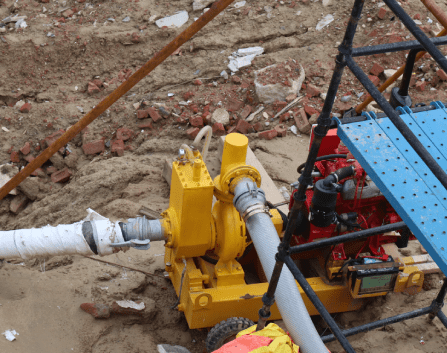
Water is one of the most disruptive forces on any job site. It floods excavations, weakens soil, damages equipment, and delays schedules. A dewatering pump solves this problem by removing unwanted water quickly and reliably, keeping work areas safe and productive. This guide explains how these machines work, the main types available, and where they are used most.
What Is a Dewatering Pump?
A dewatering pump is a machine designed to move water, and often water mixed with sand, silt, or small debris, away from an area where it is not wanted. Unlike a standard utility pump, it is built to handle abrasive and dirty fluids for long hours with minimal downtime.
The core function is simple: lower the water level or groundwater table so that crews can work in dry, stable conditions. That single task protects foundations, prevents erosion, and reduces safety hazards such as slips, collapses, and electrical risks.
How a Dewatering Pump Works
Most units use a motor, either electric, diesel, or gasoline, to spin an impeller. The spinning impeller draws water in through an intake and pushes it out through a discharge hose or pipe. The pump's performance depends on three main factors:
- Flow rate: How much water it moves, usually measured in gallons per minute.
- Head: The vertical distance and friction loss the pump can overcome.
- Solids handling: The size of particles the impeller can pass without clogging.
Matching these specifications to your site conditions is the key to efficient water removal.
Main Types of Dewatering Pumps
Choosing the right dewatering pump starts with knowing how each design handles water, solids, and site conditions.
Submersible Pumps
These sit directly in the water, with the motor sealed against moisture. Because they push water instead of pulling it, they avoid many priming problems. They are popular for sumps, trenches, basements, and deep excavations.
Centrifugal Pumps
Centrifugal models sit above the waterline and use suction to pull fluid through a hose. They support high flow rates and are easy to service, making them a favorite for open pits and surface water removal. Self-priming versions can restart on their own after running dry.
Diaphragm Pumps
A flexible diaphragm pump creates suction and discharge. These pumps handle thick slurry, sludge, and debris-heavy water very well, and they can run dry without damage. That makes them ideal for muddy, unpredictable conditions.
Trash Pumps
Trash pumps are heavy-duty centrifugal units with wide impeller passages. They can pass stones, leaves, and chunks of debris, which is useful after storms or in demolition zones.
Wellpoint Systems
Wellpoint systems use small wells connected to a header pipe and a vacuum pump. They lower groundwater across a wide area, which suits long trenches and pipeline projects in sandy or loose soil.
Construction Dewatering Pumps in Action
Construction dewatering pumps are among the most heavily used machines on active job sites. Foundation, basement, utility line, and tunnel excavations often reach below the water table. Without proper pumping, walls can cave in and concrete may not cure correctly.
Contractors rely on construction dewatering pumps for several tasks:
- Clearing rainwater from open excavations before work begins each day
- Controlling groundwater during foundation and footing pours.
- Keeping trenches dry for pipe installation
- Protecting adjacent structures from settlement caused by saturated soil
Many projects use more than one pump type. A wellpoint system might lower the groundwater table while a submersible unit handles any seepage that collects in the sump. Planning this layered approach early saves time and avoids expensive emergency fixes.
Other Common Applications
Beyond building sites, a dewatering pump supports many industries:
- Mining and quarrying: Removing groundwater and runoff from pits and shafts.
- Municipal projects: Maintaining sewer lines, drainage systems, and water treatment facilities.
- Agriculture: Draining flooded fields and managing irrigation ponds.
- Emergency response: Clearing floodwater from homes, streets, and underground parking.
- Marine and industrial work: Emptying cofferdams, tanks, and ship holds.
How to Choose the Right Pump
Start by estimating the water volume and total head. Then consider the water quality, since gritty or sludge-filled liquid calls for a pump with robust solids handling. Power source matters too. Electric models are quieter and cleaner, while diesel units suit remote sites without grid access. Finally, think about portability, hose size, and how long the pump will run each day.
Maintenance Tips
Regular care extends pump life considerably. Inspect hoses and seals for wear, clean intake screens often, and check oil and fuel levels before each shift. Flush the unit after pumping abrasive fluids, and store it properly when not in use. A well-maintained dewatering pump delivers steady performance and fewer breakdowns.
Final Thoughts
Choosing the right equipment keeps projects on schedule and workers safe. Whether you need a compact submersible for a small trench or heavy-duty construction dewatering pumps for a major excavation, understanding the types, functions, and applications will help you decide with confidence. A properly sized dewatering pump is a small investment that protects your site, your budget, and your timeline.