-
About
-
Global
-
About GEN
Operating in 200 countries to make it easier for anyone to start and scale.
-
Board + Staff
Leading the strategic direction and daily execution of the GEN mission.
-
Our Partners
A range of organizations contributing expertise, experience and energy.
-
About GEN
-
National Leadership
-
Managing Directors
Individuals leading GEN chapters and all aspects of national engagement.
-
Global Leaders
Individuals contributing to national engagement in GEN programs.
-
Managing Directors
-
Awards
-
Compass Awards
Celebrating excellence and honoring those making a difference.
-
Compass Awards
-
Support
-
Contact GEN
Reach out to our team with any questions.
-
Web Support
Report website issues to the web team
-
Contact GEN
-
Global
-
Our Work
-
Our Pillars
-
GEN Ecosystems
Stronger and more globally-connected entrepreneurial ecosystems.
-
GEN Founders
Empowering innovators from all backgrounds to achieve their full potential.
-
GEN Invest
The right capital in the right hands – at the right time.
-
GEN Policy
Evidence-based ideas for smart policy design to help entrepreneurs thrive.
-
GEN Ecosystems
-
Our Work
-
GEN Programs
View a list of all our programs.
-
GEN Events
Flagship events + ongoing event series driving connectivity.
-
GEN Competitions
Helping founders get discovered + helping organizers run a competition worth entering.
-
GEN Programs
-
Our Impact
-
Impact Reports
In-depth look at GEN’s impact each year since it began in 2008.
-
Impact Stories
Examples of GEN’s impact on individuals and ecosystems around the world.
-
Impact Reports
-
Our Pillars
-
Resources
-
GEN Connect
-
Ecosystem Connect
Connect with ecosystem builders + community leaders worldwide.
-
Founder Connect
Connect with founders building the next generation of startups.
-
Investor Connect
Connect with angels, VCs + other investors aligned to your stage + goals.
-
Mentor Connect
Connect with experienced mentors across our global network.
-
Ecosystem Connect
-
Policy + Research
-
GEN Atlas
Collection of public sector policies + programs to drive economic growth.
-
GEN Research Library
Collection of the latest research strategies, reports, data sets + more.
-
GEN Atlas
-
More Helpful Tools
-
Events Calendar
Find events advancing entrepreneurship near you + around the world.
-
GEN Speakers Bureau
Commission-free directory of speakers for your next entrepreneurship event.
-
GEN Community Directory
Searchable directory of GEN members representing 200 countries.
-
Builders Studio
An AI-powered platform that guides entrepreneurs from idea to launch.
-
No Bad Ideas
Card game designed to help turn your ideas into great ones – no mistakes.
-
Events Calendar
-
GEN Connect
-
Events
-
Overview
Brief summary of all GEN events + gatherings
-
Global Entrepreneurship Congress
Global gathering of delegates shaping the future of entrepreneurship.
-
GEC+
Regional or sector-specific deep-dives built off the GEC model.
-
Global Entrepreneurship Week
Join the movement of 40,000 events around the world each November.
-
GEN Exchange
Virtual webinars for GEN community members to explore timely issues.
-
GEN Meetup
Open-source model to hold your own ecosystem event.
-
Startup Huddle
Chapters crowd-sourcing advice + support, one entrepreneur at a time.
-
Startup Nations Summit
Gathering of policymakers on regulatory issues + innovative programs.
-
GET Forum
A global forum connecting Latin America and the Caribbean's ecosystem leaders.
-
Events Calendar
Find an entrepreneurship event near you.
-
Overview
-
News
-
Global Newsfeed
All of the unfiltered news + updates from the GEN community.
-
The Startup State
Major entrepreneurship announcements, reports, commentary + features.
-
Press + Media Kit
Official GEN assets and information for journalists, partners, and storytellers.
-
Subscribe
Sign-up to receive important updates, event invitations + more.
-
Global Newsfeed
- Countries


User login

From Foot Soak to Service: Creating a Better Pedicure Experience
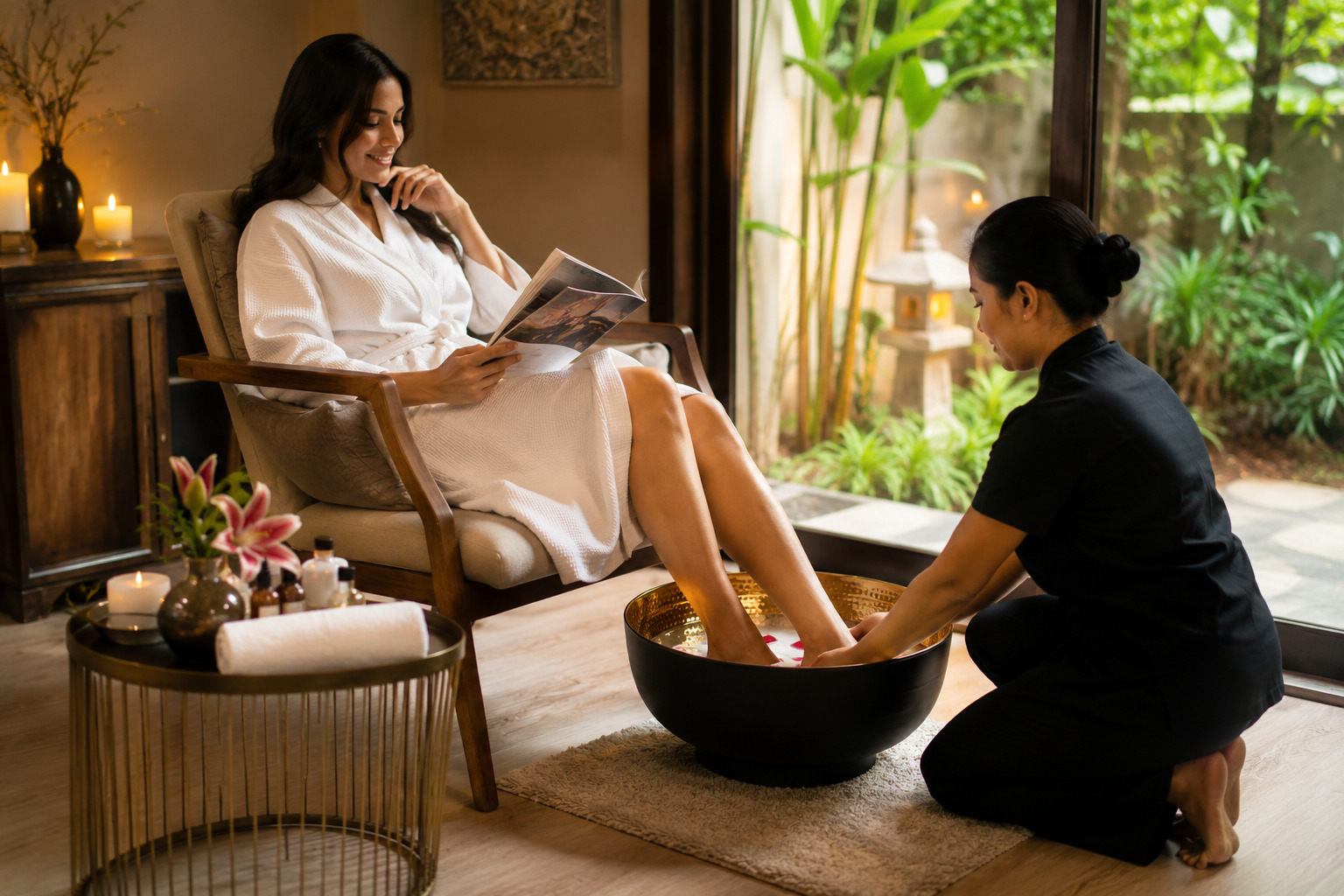
A foot soak is an important part of a pedicure, so the equipment around it needs to work well. If you are setting up or upgrading a pedicure area, the foot soak bowl should be easy to clean, comfortable to use, and suitable for the available space. Its size, material, placement, and compatibility with the rest of the workstation all matter.
What Should You Look For in a Foot Soak Bowl?
Here are a few points worth checking:
- Size and depth: The bowl should provide enough room for comfortable foot soaking without taking up unnecessary floor space.
- Material: Choose a surface that can handle regular contact with water and frequent cleaning.
- Shape: A suitable shape can make it easier for clients to place their feet comfortably and for therapists to work around them.
- Stability: The bowl should remain steady during use and sit securely in its intended position.
- Cleaning: Smooth surfaces and accessible areas can make routine cleaning and drying easier.
- Storage: If the bowl is not permanently installed, consider where staff will keep it between treatments.
The right choice depends on your treatment setup, available space, and how frequently the equipment will be used.
Why Does Material Matter for a Foot Soak Bowl?
The material affects both appearance and day-to-day care. A spa may choose from different materials depending on its interior style and treatment requirements.
Copper can give a treatment area a warm, traditional appearance. Ceramic can create a clean, understated look, while other purpose-built materials may suit contemporary interiors.
However, appearance should not be the only consideration. Think about how the surface responds to water, how easily it can be cleaned, and what care the manufacturer recommends.
A beautiful bowl that is difficult to maintain can quickly become inconvenient in a busy treatment room.
Where Should You Place the Bowl?
Placement can affect both the client’s comfort and the therapist’s movement.
Before deciding where to install or position your foot soak bowl, measure the available space. Leave enough room for the client to sit comfortably and for the therapist to reach the feet without twisting or stretching unnecessarily.
Also consider what sits around the bowl. Towels, foot-care products, tools, and a stool may all need to be within easy reach.
A well-planned layout can make the treatment feel more organised and help staff move smoothly between different stages of the service.
How Does the Chair Work with the Foot Soak Setup?
The bowl is only one part of the pedicure station. The chair also affects how the client sits, where the feet are positioned, and how much space the therapist has to work.
When choosing a pedicure manicure chair, look at the complete setup rather than the chair on its own. Consider its height, foot support, reclining position, dimensions, and the space needed around it.
For example, a large reclining chair may require more clearance than a compact model. If the bowl is positioned too close to the chair, the therapist may have limited room to work.
The furniture should therefore be considered as a single working area.
What Makes a Pedicure Station Comfortable for Therapists?
Client comfort naturally gets attention, but the therapist’s working position matters too. A treatment can involve sitting or standing in the same area for extended periods, so the layout should support comfortable movement.
Check whether the therapist can:
- Reach the client’s feet without excessive bending
- Access tools and products without moving away repeatedly
- Sit or stand comfortably during the treatment
- Clean the area without having to work around awkward furniture
- Move safely around the chair and bowl
These details may seem minor when you are furnishing a new spa, but they become part of the everyday workflow.
How Important is Hygiene When Choosing Spa Furniture?
Anything used during a foot treatment needs a clear cleaning routine. A foot soak bowl comes into direct contact with water and the client’s feet, so it should be easy for staff to clean and dry after use.
Check the manufacturer’s cleaning instructions before purchasing. Pay attention to seams, edges, drains, fittings, and other areas where water or residue could collect.
The same principle applies to the chair and surrounding surfaces. Upholstery and other materials should be suitable for the cleaning routine required by the manufacturer.
A tidy, well-maintained treatment station also contributes to the overall appearance of the spa.
How Can You Make a Small Pedicure Area Work Better?
Limited space does not mean you need to compromise on the treatment setup. It simply means measurements matter more.
Before purchasing furniture, measure:
- The total floor area
- The available space around the chair
- The position of the bowl
- The space needed for the therapist to move
- The clearance required when a reclining chair is fully extended
Do not measure the chair alone. Check its full dimensions in different positions, especially if it reclines or has a movable footrest.
You should also think about storage. Towels, cleaning supplies, tools, and products need designated places so that the treatment area does not become cluttered.
Should You Match The Bowl With Your Spa Interior?
Yes, but style should follow function rather than replace it.
A traditional spa may suit a copper or stone finish, while a contemporary salon may prefer a simpler ceramic or modern design. Your choice can complement the colours, textures, lighting, and furniture already present in the room.
The same approach applies to a pedicure manicure chair. Look for a design that fits the overall setting without making the room feel crowded.
The goal is a treatment area that feels coordinated without becoming overly decorated.
What Should You Check Before Buying?
Before placing an order, take a few minutes to check the details that will affect everyday use:
- Is the bowl the right size for your treatment?
- Is the material suitable for regular water exposure and cleaning?
- Does it fit comfortably within your available space?
- Can your therapist work around it without awkward movement?
- Does it work with your existing or planned chair?
- Are cleaning and maintenance instructions clear?
- Does the supplier provide suitable warranty or after-sales support?
These checks can help you choose equipment based on how your spa actually operates, rather than how it looks in a product photograph.
How Can the Right Setup Improve the Pedicure Experience?
A foot treatment often begins before the actual pedicure work starts. A comfortable seat, well-positioned bowl, clean towels, and an organised workstation can make the treatment area feel considered from the outset.
Your foot soak bowl does not need to be the most elaborate item in the room. It needs to suit the treatment, fit the available space, and work well with the rest of the station.
When the bowl, chair
Final Thoughts
Choosing spa furniture is easier when you think about the entire treatment experience rather than one product at a time. A foot soak bowl should suit the treatment, fit the available space, and be easy to maintain. The chair, storage, and therapist’s working area matter too. When these elements work together, the pedicure station becomes more comfortable for clients and easier for therapists to manage throughout the day.