

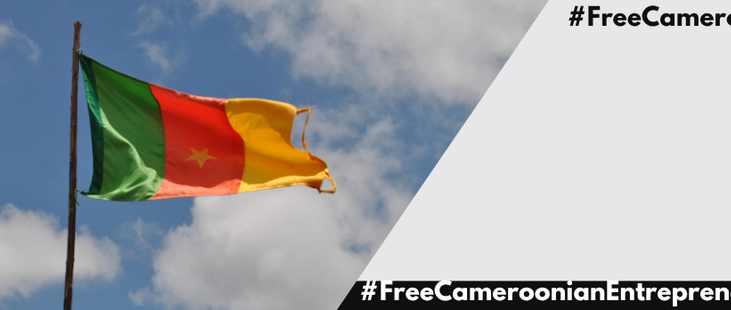



The streets of Cameroon once pulsed with life.
Today, it’s the echo of uncertainty that drowns out the rhythm of hope.
92 years old.
That’s the age of the man declared winner of the October 12 presidential election.
And yet, for many, it’s not a victory, it’s déjà vu.
The constitutional council has spoken,
but so have the people.
In the streets, on social media, in whispered conversations under curfew,
they speak of fraud, stuffed ballot boxes, altered results, duplicate names.
They speak of dreams stolen.
And while politics wavers, the economy suffocates.
Roads are blocked.
Shops are closed.
Contracts are frozen.
The middle class, that fragile bridge between survival and ambition, is quietly collapsing.
What becomes of the dreamers?
Those young entrepreneurs who once stayed up late,
their eyes shining with ideas to transform their communities,
are now suspended in time.
And what about the market woman,
whose hands once kneaded dough at dawn,
but now tremble at the sound of gunfire outside?
This crisis is not only political, it is human.
It takes more than income; it takes away dignity, safety, and hope.
And our rights, what of them?
The right to work.
The right to dream.
The right to believe that innovation and courage can rewrite our story.
Entrepreneurship needs freedom, the freedom to create, to fail, to begin again.
But how can we innovate when fear settles in?
How can we plan for tomorrow when today feels suspended?
So let us honor the resilient ones,
the youth who still believe that change is possible,
the women who reopen their stalls despite fear,
the creatives who refuse to let silence win.
Cameroon stands at a crossroads,
between despair and determination,
between the rule of yesterday and the promises of tomorrow.
And maybe, just maybe,
if we keep creating,
keep connecting,
keep dreaming boldly,
we will build the future that the ballots failed to give us.