-
About
-
Global
-
About GEN
Operating in 200 countries to make it easier for anyone to start and scale.
-
Board + Staff
Leading the strategic direction and daily execution of the GEN mission.
-
Our Partners
A range of organizations contributing expertise, experience and energy.
-
About GEN
-
National Leadership
-
Managing Directors
Individuals leading GEN chapters and all aspects of national engagement.
-
Global Leaders
Individuals contributing to national engagement in GEN programs.
-
Managing Directors
-
Awards
-
Compass Awards
Celebrating excellence and honoring those making a difference.
-
Compass Awards
-
Support
-
Contact GEN
Reach out to our team with any questions.
-
Web Support
Report website issues to the web team
-
Contact GEN
-
Global
-
Our Work
-
Our Pillars
-
GEN Ecosystems
Stronger and more globally-connected entrepreneurial ecosystems.
-
GEN Founders
Empowering innovators from all backgrounds to achieve their full potential.
-
GEN Invest
The right capital in the right hands – at the right time.
-
GEN Policy
Evidence-based ideas for smart policy design to help entrepreneurs thrive.
-
GEN Ecosystems
-
Our Work
-
GEN Programs
View a list of all our programs.
-
GEN Events
Flagship events + ongoing event series driving connectivity.
-
GEN Competitions
Helping founders get discovered + helping organizers run a competition worth entering.
-
GEN Programs
-
Our Impact
-
Impact Reports
In-depth look at GEN’s impact each year since it began in 2008.
-
Impact Stories
Examples of GEN’s impact on individuals and ecosystems around the world.
-
Impact Reports
-
Our Pillars
-
Resources
-
GEN Connect
-
Ecosystem Connect
Connect with ecosystem builders + community leaders worldwide.
-
Founder Connect
Connect with founders building the next generation of startups.
-
Investor Connect
Connect with angels, VCs + other investors aligned to your stage + goals.
-
Mentor Connect
Connect with experienced mentors across our global network.
-
Ecosystem Connect
-
Policy + Research
-
GEN Atlas
Collection of public sector policies + programs to drive economic growth.
-
GEN Research Library
Collection of the latest research strategies, reports, data sets + more.
-
GEN Atlas
-
More Helpful Tools
-
Events Calendar
Find events advancing entrepreneurship near you + around the world.
-
GEN Speakers Bureau
Commission-free directory of speakers for your next entrepreneurship event.
-
GEN Community Directory
Searchable directory of GEN members representing 200 countries.
-
Builders Studio
An AI-powered platform that guides entrepreneurs from idea to launch.
-
No Bad Ideas
Card game designed to help turn your ideas into great ones – no mistakes.
-
Events Calendar
-
GEN Connect
-
Events
-
Overview
Brief summary of all GEN events + gatherings
-
Global Entrepreneurship Congress
Global gathering of delegates shaping the future of entrepreneurship.
-
GEC+
Regional or sector-specific deep-dives built off the GEC model.
-
Global Entrepreneurship Week
Join the movement of 40,000 events around the world each November.
-
GEN Exchange
Virtual webinars for GEN community members to explore timely issues.
-
GEN Meetup
Open-source model to hold your own ecosystem event.
-
Startup Huddle
Chapters crowd-sourcing advice + support, one entrepreneur at a time.
-
Startup Nations Summit
Gathering of policymakers on regulatory issues + innovative programs.
-
GET Forum
A global forum connecting Latin America and the Caribbean's ecosystem leaders.
-
Events Calendar
Find an entrepreneurship event near you.
-
Overview
-
News
-
Global Newsfeed
All of the unfiltered news + updates from the GEN community.
-
The Startup State
Major entrepreneurship announcements, reports, commentary + features.
-
Press + Media Kit
Official GEN assets and information for journalists, partners, and storytellers.
-
Subscribe
Sign-up to receive important updates, event invitations + more.
-
Global Newsfeed
- Countries


User login

Kitchen Furniture: Building a Functional and Beautiful Cooking Space
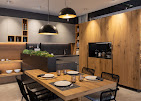
The kitchen is one of the most active areas in a home. It is where meals are prepared, conversations take place, groceries are organised, and daily routines often begin or end. Because of this, choosing the right marcas muebles de cocina is about much more than selecting cabinets that look attractive. The furniture needs to support everyday activities while making the available space comfortable, organised, and visually appealing.
Well-planned furniture can transform an ordinary kitchen into a practical environment that suits the people using it. From storage capacity and cabinet layout to materials and finishes, every detail can influence the final result.
The Importance of Well-Planned Kitchen Furniture
Good kitchen furniture provides the foundation for an efficient layout. Cabinets and storage units determine where ingredients, cookware, utensils, appliances, and other essentials can be kept.
When furniture is poorly planned, everyday tasks can become unnecessarily difficult. Frequently used items may be positioned too far away, storage can become overcrowded, and valuable areas of the room may remain unused.
A thoughtful design considers how the kitchen will be used. Preparation, cooking, cleaning, and storage areas should work together so that movement around the room feels natural.
Storage Designed Around Everyday Needs
Storage is one of the main reasons people invest in quality kitchen furniture. A kitchen needs enough space for everything from small utensils to large cookware, but simply adding more cabinets is not always the answer.
Internal organisation makes a significant difference. Deep drawers can provide convenient access to pots and pans, while smaller compartments can keep utensils separated. Tall cabinets can make use of vertical space, and pull-out systems can make narrow areas more practical.
The best storage arrangement depends on the household. Someone who cooks frequently may need more room for cookware and ingredients, while another household may prioritise appliance storage or space for entertaining supplies.
Choosing Durable Materials
Kitchen furniture experiences considerable daily use. Cabinet doors are opened and closed repeatedly, surfaces are touched frequently, and the furniture is exposed to moisture, heat, and occasional spills.
For this reason, material quality should be considered carefully. Durable boards, reliable fittings, strong hinges, and resistant finishes can help furniture maintain its appearance and functionality over time.
The right material also depends on the desired style. Wood-effect surfaces can create warmth, while smooth contemporary finishes can provide a more minimalist appearance. The important factor is finding a combination that offers both visual appeal and practical performance.
The Role of Cabinet Layout
The arrangement of cabinets can have a major impact on how efficiently a kitchen works.
Base cabinets are useful for heavier items and everyday storage, while wall-mounted units can make use of vertical space without occupying additional floor area. Tall units can provide substantial storage capacity while creating a strong visual structure.
The distance between different working areas should also be considered. A well-designed arrangement allows users to move easily between the refrigerator, preparation area, sink, and cooking zone.
Good furniture planning can reduce unnecessary movement and make routine tasks feel more efficient.
Balancing Style and Practicality
Modern kitchen design offers a wide range of colours, textures, and finishes. However, choosing furniture based entirely on appearance can sometimes create practical problems.
A beautiful finish may require more maintenance, while an elaborate cabinet design may provide less useful internal storage. The most successful kitchens find a balance between aesthetics and functionality.
Simple cabinet fronts, coordinated colours, and carefully selected materials can create an elegant appearance without making the room difficult to use.
Handles, Hinges, and Small Details
Small hardware components can have a surprisingly large effect on kitchen furniture. Handles influence how cabinets look and how comfortable they are to open, while hinges affect the movement and durability of cabinet doors.
Soft-closing hinges and drawers can make everyday use quieter and smoother. Integrated handles or recessed grips can create a streamlined appearance, while traditional handles may add a more decorative touch.
These details should be selected according to both personal preference and the overall furniture design.
Making the Most of Available Space
Not every kitchen has generous dimensions. In smaller rooms, furniture needs to be particularly well planned.
Using vertical storage can help increase capacity without making the floor area feel crowded. Corner cabinets can be designed with specialised mechanisms that make otherwise difficult spaces more accessible.
Open shelving can also be useful when applied selectively. It can provide convenient access to frequently used items while adding visual interest, although too much open storage may make the kitchen appear cluttered.
Custom-Made Furniture for Individual Requirements
Standard furniture can work well in many situations, but every kitchen has different dimensions and requirements. Walls may have unusual angles, ceiling heights may vary, or specific appliances may require particular cabinet dimensions.
Custom-made kitchen furniture allows these factors to be considered during the design process. Instead of adapting the room to predetermined cabinet sizes, furniture can be developed around the available space.
Customisation also makes it possible to consider personal preferences, such as additional drawers, specialised storage, particular cabinet heights, or dedicated spaces for appliances.
Creating a Cohesive Kitchen Design
Furniture should complement the other elements of the room. Countertops, flooring, wall finishes, lighting, appliances, and cabinet surfaces all contribute to the overall appearance.
A cohesive design does not necessarily require everything to match exactly. Contrasting materials can create depth and character when they are carefully coordinated.
For example, natural-looking cabinet finishes can be paired with a smooth countertop, while a darker island can provide a distinctive focal point within an otherwise neutral design.
Quality That Supports Long-Term Use
Investing in quality furniture can make a significant difference to the long-term experience of using a kitchen. Strong construction and durable finishes help cabinets withstand the demands of everyday life.
At Gelse Cocinas, custom-made and designer kitchens are manufactured with an emphasis on quality and durability. Careful attention to furniture design allows storage, layout, materials, and appearance to be brought together into a practical solution.
The objective is not simply to create attractive cabinets but to develop kitchen furniture that continues to perform well while maintaining its visual appeal.
Designing a Kitchen That Works for You
The best kitchen is one that reflects the habits and needs of the people who use it. Furniture should provide enough storage, support comfortable movement, withstand everyday activity, and complement the character of the home.
From cabinet dimensions and internal storage to materials, finishes, and hardware, each decision contributes to the final result. With careful planning and quality craftsmanship, kitchen furniture can become the foundation of a space that is both highly practical and visually inviting.