




Looking in the Rearview
2023 has been an exciting year for Startup Huddle organizers worldwide. These individuals, bitten by the entrepreneurial bug, are taking on some of the most critical challenges: building sustainable startup communities in diverse cultural, economic, and social landscapes.
Each journey for an organizer is unique, and offers invaluable lessons. During GEW each year, HQ shares updates about the cities hosting sessions during GEW and look at how they've impacted their local ecosystems and startup communities.
To continue advancing the program's efficacy and expanding Startup Huddle to more cities in 2024, I’ve summarized some of the lessons learned using feedback from our organizers. You'll be surprised to find that these lessons are transferrable and often apply to a wide range of communities, no matter their stage.
What We Learned at Huddle HQ
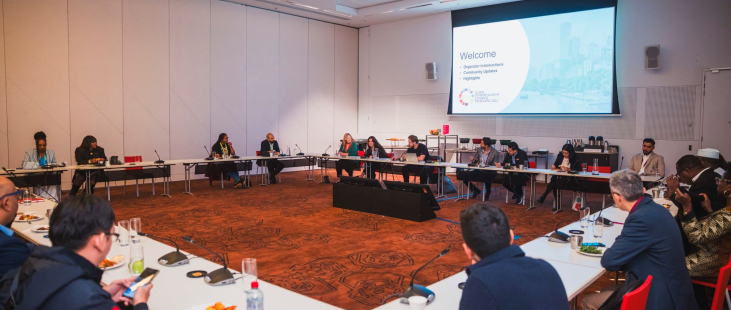
From Nigeria to St. Lucia to Australia, these organizers have unique backgrounds and challenges, yet all share the joy of being entrepreneurs and supporting founders in their communities.
The journey of each Huddle organizer is a story of adapting to and thriving within unique cultural, economic, and social landscapes. These individuals are not just community builders... they are often founders themselves and among the first in their regions to try to build a startup community. Their mission transcends the act of simply organizing events - it's about crafting a nurturing ecosystem that supports founders and attracts key players like government bodies, corporations, entrepreneur support organizations, and, of course, the founders who are trying to get to work.
More established organizations with capital seek authentic communities to expand their own footprint, which is why so many organizations throw their logo on programs and community projects. It’s important to note that Startup Huddle is led by grassroots organizers responsible for building the complex networks and communities that other organizations in the ecosystem rely upon to make an impact. Their efforts lay the groundwork for a symbiotic relationship where larger entities can engage with and support these burgeoning startup communities.
My observations and interactions with these diverse organizers gave me valuable insights into the culturally rich startup communities worldwide. Their dedication and innovation in facing distinct challenges head-on while fostering genuine, enduring connections is inspiring, instructive, and daunting.
This year, at Huddle HQ, I’ve concluded that mindfulness is one of the critical ingredients of success, both in vetting the organizers early on and equipping and preparing them to focus on long-term goals. This is important because a startup community like Huddle needs staying power. This means that Founders in the community must come to expect that the community is not going anywhere and that it’s being led by a leader who genuinely has their best interest in mind.
Recognizing the varied nature of entrepreneurship culture across different countries and ecosystems, we’re now laser-focused on providing a supportive community for organizers - from the moment they apply to the day they move on and hand off the baton - mirroring the support that Startup Huddle aims to offer founders. Building startup communities takes persistence and adaptability by the organizers, and the work we do at HQ is now about organizer support, much like customer support, in that we are focused on increasing the likelihood that our organizers can stay the course for the long-term.
Lessons From The Huddle Organizer Community
After talking to hundreds of organizers this year, three things continue coming up time and time again: community engagement, trust, and authentic experiences that create value for everybody involved, including sponsors and partners.
Getting Buy-In From The Community
One of the critical challenges for Huddle organizers is selling the Huddle experience to their community and, most importantly, supporters who can financially back it.
The key to success lies in understanding and addressing the unique needs of each community. Organizers have learned to engage with the community not just as participants but as co-creators of the Huddle experience. This involves actively listening to community feedback, understanding their pain points, and tailoring the program to meet these needs. By making community members feel heard and valued, organizers foster a sense of ownership and investment in the success of the Huddle.
A few of our organizers have come up with interesting ways to do this:
- Targeted invitations to join their community: A number of Huddle organizers take the time to send personal letters to the people in the ecosystem who want to join the community. This is smart for obvious reasons but the most important one is that it gives you a chance to set a tone and objectives that this particular person can focus on which in turn will help to drive the type of interaction that happens face-to-face. Pick a few really important people in the community and articulate why it is you want them to be involved.
- Choose your words wisely: One of the crucial elements of a successful Huddle community is the language used to convey the purpose of the community. This includes the words used for marketing, opening remarks at the start of the session, and closing remarks and thank-you letters at the end of the session. It is important to articulate the most valuable aspects of the program when the community's attention is focused, as this will make them more receptive in the future. Take the time to create a clear and concise list of benefits and goals of the community so that everyone can be consistent in their messaging. By doing so, you can build a strong brand for the Huddle community, which will help it to be recognized and respected.
Creating an Atmosphere of Trust
Trust is the foundation of any community, and this is especially true for startup ecosystems where the fear of idea theft is prevalent. It is also important in that trust is the currency that people use to establish authentic relationships, which is the entire goal of a startup community.
Huddle organizers have tackled this by setting clear expectations and rules of engagement. Here's how:
- Create ground rules: Organizers who have been running Huddle in their city for more than a year tend to talk about the initial challenges they had getting people to buy-in to the community and engage in a meaningful way. By establishing these ground rules and promoting an environment of mutual respect, organizers are more successful at creating safe spaces for founders to collaborate and grow.
- Make sure the rules are clear: The best way to ensure that a culture is built around these values is to make sure that the speakers and the community members know that the power is in their hands; let the community know that they are allowed to share only what they're comfortable sharing. That means letting founders know not to share IP or details that would actually allow someone to "take their idea." Remind the community that the primary goal is to aid, not harm, each other, before, during and after every session.
Creating an Authentic Experience
Creating an authentic experience is central to the success of any Startup Huddle chapter, but it is probably the most difficult because it implies trust (which is hard), reliable leadership and longevity for the community itself.
Organizers are always encouraged to emphasize the importance of genuine engagement with their members, but here are some ways to dig deeper:
- Responsive leadership: This includes everything from responding to every comment in the group, addressing concerns, and actively listening to feedback, to providing resources that resonate with the founders' needs. By being responsive to the feedback and finding ways to connect your community in meaningful ways, organizers ensure that the community feels valued and supported, leading to more meaningful interactions and stronger connections. Follow-through on suggestions and connections is also crucial, as it demonstrates commitment and helps build lasting relationships within the community.
- Storytelling: Finally, and most importantly, craft a story about the people your community represents, and shout it from the rooftops. Coach others who are presenting or participating by helping them understand how the community fits into their works, and then make it reality.
Conclusion
The year 2023 has been a testament to the resilience and adaptability of Startup Huddle organizers. As they continue to navigate their unique challenges, the lessons they've shared provide valuable insights for anyone looking to foster a dynamic and supportive entrepreneurial community.
For anyone interested in joining the 80+ chapters currently running worldwide, please visit www.startuphuddle.co to apply or reach out to Pauly Suchy with any questions.