




Introduction
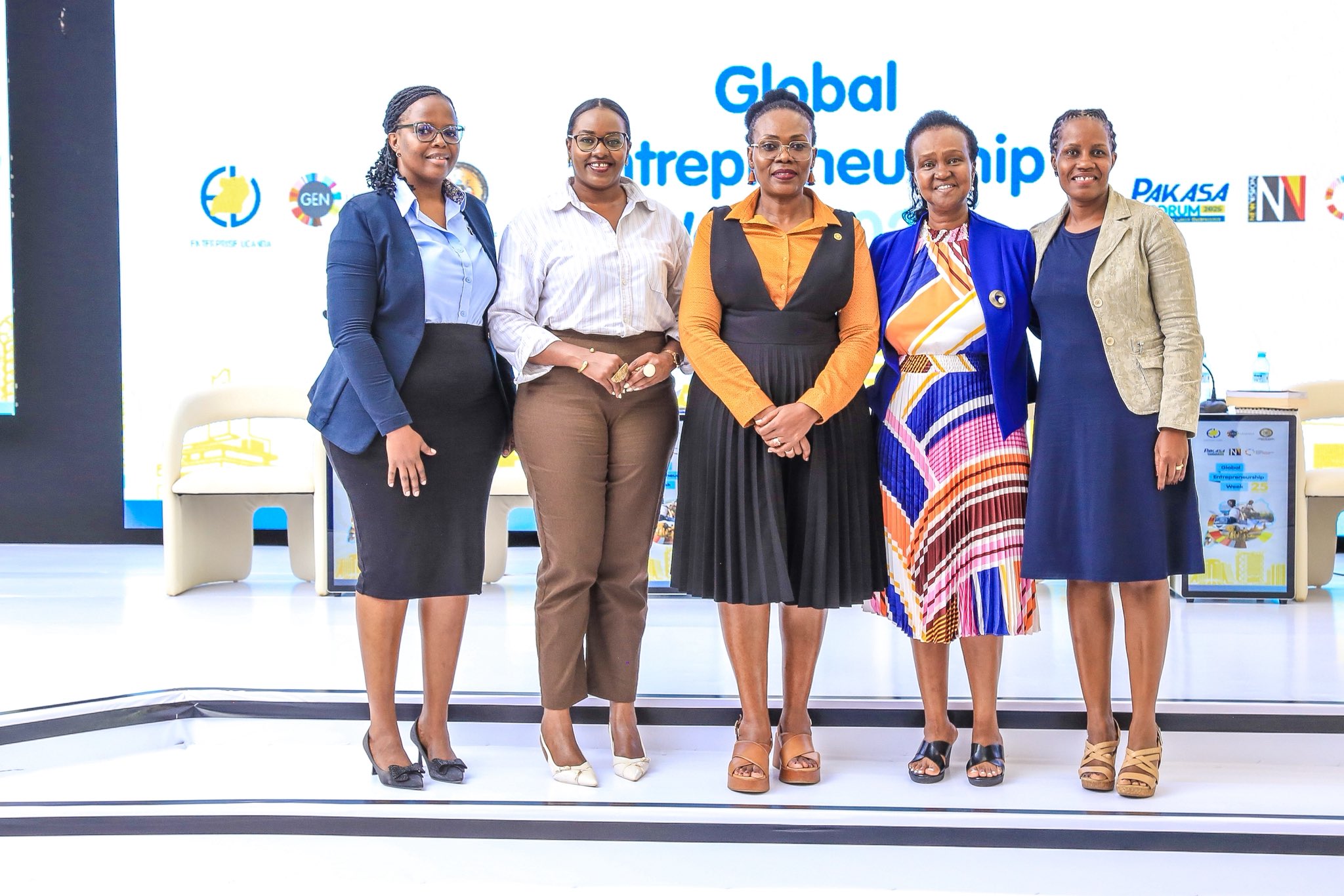
As part of the GEW Uganda 2025 Conference at the Enterprise Uganda Centre of Excellence in Butabika, a flagship session titled “Together Women Build: Opportunity, Partnerships and Challenges” brought together women entrepreneurs and ecosystem actors to explore how women are driving enterprise growth in Uganda.
Moderated by Rosemary Mutyabule, Director, Business Advisory Services & Partnerships at Enterprise Uganda, the panel featured women-led enterprises and institutions including DFCU, Sleek & Slender, Shwanda Kollection, and Mama Children’s Village Ltd. The conversation placed particular emphasis on digital-first entrepreneurship and the mindset shift from “waiting for capital” to “starting with what you have.”
A Mindset Shift: “Don’t Wait for Capital”
In a quote that resonated across the room and later across social media, Rosemary Mutyabule reminded participants:
“Don’t wait for capital, you can actually start with your phone.”
This message captured a key lesson for aspiring women entrepreneurs: while access to finance remains a real challenge, entry barriers have lowered significantly for digital-first businesses. With a smartphone and internet connection, it is now possible to:
- Test a product concept through social media
- Reach early customers without a physical shop
- Build a brand presence before investing in inventory and premises
The panel agreed that while capital is important for scaling, mindset, creativity and consistency are often the decisive factors at the beginning.
Shwanda Kollection: Building a Business Fully Online
One of the most illustrative examples came from Yvonne Ahimbisibwe, Founder of Shwanda Kollection. She shared how she has run a fully online jewellery business for five years, using digital platforms to:
- Showcase products
- Receive orders
- Interact with customers
- Manage deliveries and referrals
Her journey highlighted key elements of digital-first entrepreneurship:
- Starting lean: keeping overheads low while testing designs and pricing
- Building trust online: consistent communication, clear product photography, and reliable delivery
- Leveraging networks: turning satisfied customers into brand ambassadors
For many women in the audience juggling family responsibilities and limited mobility, Yvonne’s story demonstrated that e-commerce and social selling can open paths to income generation that fit their realities.
Partnerships that Enable Women-Led Growth
Panelists from DFCU, Sleek & Slender, Shwanda Kollection, and Mama Children’s Village Ltd discussed how partnerships unlock growth, whether through:
- Financial services tailored to women-led businesses
- Collaborations that combine different strengths (e.g., fashion plus events, childcare plus business training)
- Support from BDS providers such as Enterprise Uganda
Mama Children’s Village, for example, represented the critical but often overlooked role of childcare solutions in enabling women to attend trainings, conferences and networking events. By offering support services, enterprises like Mama Children’s Village help remove practical barriers that keep women from fully participating in the ecosystem.
Challenges that Persist
While the session was solution-oriented, the panel did not shy away from naming persistent challenges that women entrepreneurs face, including:
- Balancing business growth with unpaid care responsibilities
- Limited collateral and documentation when approaching financial institutions
- Cultural expectations that discourage risk-taking or public visibility
The conversation emphasised that addressing these challenges requires both institutional support and peer solidarity—women mentoring women, sharing tools and opening doors.
Key Takeaways
From the “Together Women Build” session, several clear messages emerged:
- Start with what you have – especially your phone and your networks.
- Digital-first is a real pathway – many viable businesses are now launched entirely online.
- Partnerships matter – with banks, BDS providers, childcare services, and fellow entrepreneurs.
- Structural barriers need collective solutions – from childcare to tailored financing products.
By centring women’s voices and stories, the panel reinforced that women are not on the margins of Uganda’s growth story; they are central to it. As GEW Uganda moves forward, the insights from this session will continue to inform how partners design programmes and spaces that truly enable women-led enterprises to thrive.