


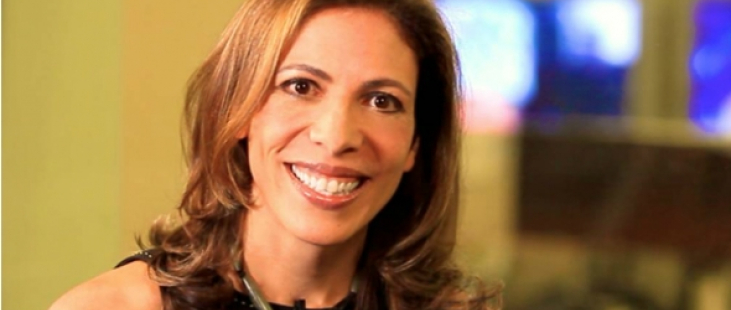


Linda Rottenberg is co-founder and CEO of Endeavor, which has been a strategic partner of Global Entrepreneurship Week since it launched in 2008. Endeavor co-hosted the 2013 Global Entrepreneurship Congress in Brazil and now has affiliates leading national GEW campaigns in seven countries; Endeavor affiliates in another ten countries also serve as key partners.
The following shares insights from Rottenberg’s best-selling book “Crazy Is A Compliment”, which draws on her experience working with a thousand of Endeavor’s high-impact entrepreneurs since 1997.
................................................
Today, everyone needs to be a little more entrepreneurial, whether you work at a Fortune 500 company, a nonprofit, a mom-and-pop, or you’re a stay-at-home parent improving your neighborhood. Everyone has a dream, but the reality is that most people never give themselves permission to pursue their dreams. Or if they do start something, they often get stuck.
That’s where I come in – I help the dreamers and the visionaries get unstuck. Through Endeavor, I’ve mentored nearly a thousand entrepreneurs, who this year will generate over $7 billion in revenues. In my book “Crazy Is a Compliment”, I’ve put together a roadmap to help everyone learn to think and act more like an entrepreneur.
One big problem I’ve noticed within the realm of entrepreneurship is that it’s plagued by stereotypes from the “Old Boys Network”. Here are a few common entrepreneurial myths that I want to dispel for anyone who hopes to get going.
You don't need a hoodie to be an entrepreneur
Mary Jo Cook and Suzanne Sengelmann were two working moms, risk-averse to Clorox, when they heard from fellow parents that they wanted eco-friendly cleaners. The two began a stealth project in their kitchen and eventually launched a successful green product line. All the hype around Silicon Valley has left a false impression: You don’t need to be young, male, or wear a hoodie to be an entrepreneur. The fastest-growing groups starting businesses are women and Baby Boomers over the age of fifty-five. Even if you work inside of a company, you need the entrepreneurial skill-set to get ahead. Michael Dell once told me "there are the quick and the dead." These days everyone needs to take some risk or risk being left behind.
Crazy is a compliment
If you plan to try something new, you should expect to be called nuts. You can’t rock the boat without being told you’re off your rocker. Henry Ford was called “Crazy Henry”; Jack Ma, who recently took Alibaba public, was called “Crazy Jack.” That also goes for those making change inside companies, like the team at Microsoft behind Xbox, which colleagues dismissed as a “Coffin Box.” The biggest barriers to change are not financial, they’re psychological. You have to give yourself permission to be contrarian, to zig when everyone else zags. I too was called “la chica loca” when I launched an organization for entrepreneurs, so I ultimately made it my motto: “Crazy is a compliment.” If you’re not being called crazy, then you’re not thinking big enough!
Don’t bet the farm
Ray Kroc, the legendary CEO of McDonald’s captured this myth well: “If you’re not a risk taker, you should get the hell out of business.” Well, boys will be boys, but entrepreneurs will be savvy. Talk to actual entrepreneurs and the story around risk is quite different. Most are risk minimizers, not risk maximizers. Even a well-known maverick like Richard Branson says the goal is to achieve “contained disasters.” Half of the Inc 500 companies were launched with $5,000 or less. Many innovators keep their day jobs until their ideas take off: Sara Blakely of Spanx sold fax machines for two years, and Phil Knight of Nike – the Just Do It! guy – spent nearly a decade doing other people’s taxes. The bottom line: Don’t bet the farm; wager a few chickens instead.
Go big AND go home
Entrepreneurs tend to be workaholics. I know, because I was one. “Go Big OR Go Home!” But that’s a horrible way to live and a worse way to keep talent. I recently gave a talk to senior women at a top Wall Street firm. They were shocked that I mention my daughters in speeches and schedule meetings around ballet recitals. They don’t dare have family photos in their offices for fear they’ll seem disloyal to the firm. These days, bosses that discourage people from making it home for family dinner are likely to see those people walk out the door. Three-quarters of workers – men and women – say flexibility is key. Today’s leaders need to get a life and encourage those around them to do the same. As one of my twin daughters once told me, “You can be an entrepreneur for a short time, but you’re a mommy forever.”