


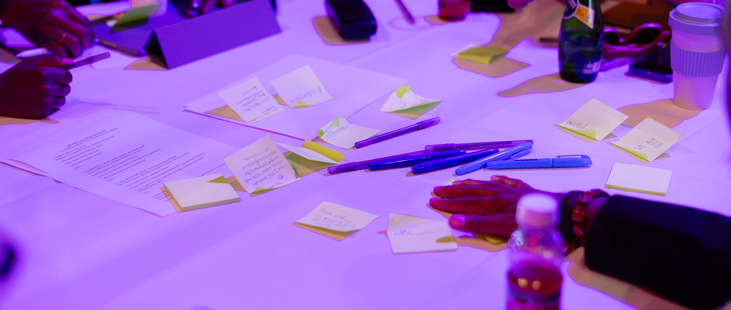


At the latest GEN Global Assembly (GGA), an immersive interactive workshop brought together over 200 experts, practitioners, and policy leaders to brainstorm the future of the GEN Atlas—a leading policy portal for entrepreneurship ecosystems worldwide. The session was energized by collaborative, small-group work and open discussions, reflecting the diverse perspectives of participants from across the globe.
Participants generated more than 180 policy ideas for the Atlas, focusing on what currently works—and what doesn’t—within the platform. Through hands-on brainstorming, attendees shared candid feedback on the user experience, particularly regarding search functionality and data accessibility. The group emphasized the importance of intuitive navigation and robust search tools to help users quickly find relevant policy insights and initiatives.
A major highlight of the session was the crowdsourcing of improvements for the Atlas. Attendees proposed enhancements ranging from better data visualization and real-time updates to more interactive features that encourage user engagement and knowledge sharing. There was strong consensus on the need to make the platform not only a repository of information but also a dynamic, collaborative space where stakeholders can contribute and refine best practices for entrepreneurial ecosystems.
Looking to the future, the workshop explored how to make Atlas “deep dives” more relevant and actionable for different local ecosystems. Participants stressed the importance of tailoring content to reflect regional and sector-specific challenges, ensuring that the Atlas serves as a practical resource for policymakers, entrepreneurs, and ecosystem builders at the city and national levels. Ideas included localized case studies, customizable dashboards, and community-driven feedback loops to keep the Atlas responsive to evolving needs.
The session underscored the value of collective intelligence in shaping the next generation of the GEN Atlas. By actively engaging its global community in co-creation, GEN aims to ensure that the Atlas remains a vital, up-to-date tool for advancing entrepreneurship and innovation worldwide. Future plans include integrating the best ideas from the workshop, enhancing platform interactivity, and deepening the relevance of its resources for diverse local ecosystems.