





Ideas Bank

ideas bank

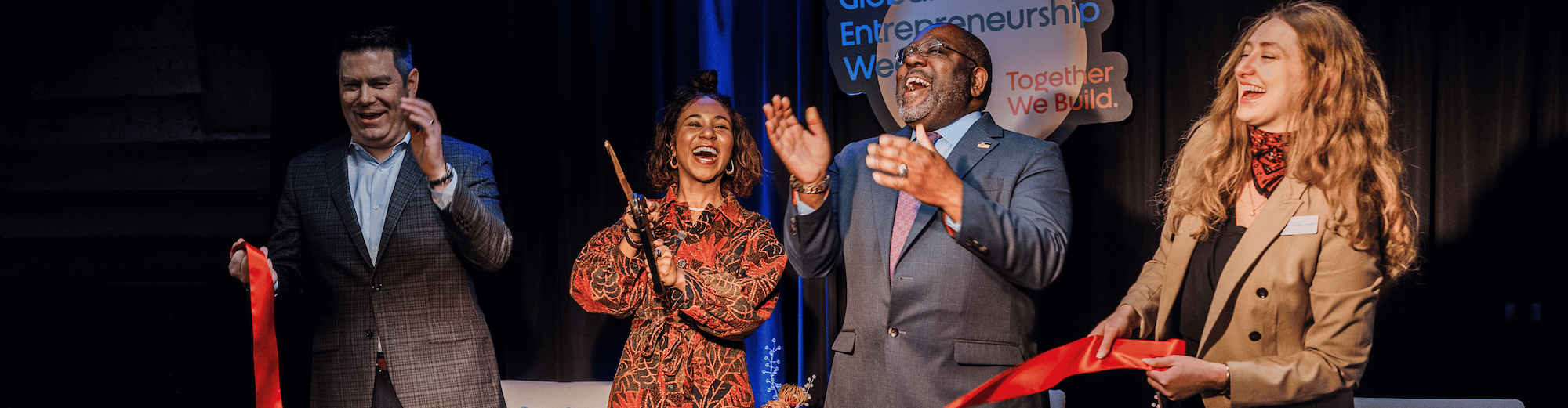
Bring Global Entrepreneurship Week to life in your community. 

The Global Entrepreneurship Week Ideas Bank is a curated collection of event formats, campaigns, and programming concepts that can be adapted, tailored to your community, and made your own. These ideas are intended to be a source of inspiration, not a prescriptive formula. Every campaign looks different.  

HOW IT WORKS

01 | Explore the Ideas

Every idea is tagged by audience type so you can filter for what works in your context.

02 | Adapt it for Your Community

Each concept is a starting point, not a script. Adjust the format, scale, and focus to fit where you are and who you serve.

03 | Run An Event

Host your event November 16–22, 2026 and add it to the global map of Global Entrepreneurship Week programming.

A QUICK NOTE ABOUT TARGET AUDIENCES

Global Entrepreneurship Week reaches people who have never seen entrepreneurship as a path for them. They aren't hard to find: they're in every country, every community, and every walk of life. What they have in common isn't background or circumstance — it's simply that no one has ever shown them that entrepreneurship could be for them too. 

GEN has created a list of sample personas (target audience personalities and traits) to help you tailor your campaign to these new audiences.

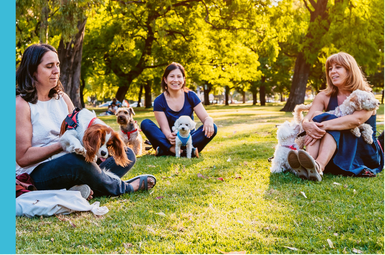
girls with dogs in park
The General Public

They haven't thought about entrepreneurship, not because they've rejected it, but because it's never shown up in their world in a way that felt relevant. The most important thing this campaign can do for this audience is make entrepreneurship visible, local, and human.

Explore the Ideas Bank

young male
The Next Gen Explorer

Young people who are curious, ambitious, and searching for direction, but haven't been shown that building something of their own is a real option. They don't need to be convinced that the world needs changing. They need to be convinced that they're the ones who can do it.

Explore the Ideas Bank

black female
The Underrepresented Builder

They have the ideas, the drive, and often the deepest understanding of the problems worth solving. What they haven't had is access to networks, capital, mentors, and spaces that were built for someone else. This campaign meets them where they are.

Explore the Ideas Bank

asian female
The Anxious Professional

They're employed, but feeling unsettled. Automation is reshaping their industry, and they know it. They're not looking for a side hustle; they're looking for a new path that puts them back in control.

Explore the Ideas Bank

father and son
The Stability Seeker

They're drawn to the idea of entrepreneurship but held back by real risk: financial obligations, family responsibilities, or simply no safety net. They don't need to be inspired. They need to see a practical, low-risk first step that fits the life they already have.

Explore the Ideas Bank

mother and daughter
The Problem Owner

They're already solving problems in their community, their workplace, and their neighborhood. They just don't call it entrepreneurship. Our job is to show them that the word belongs to them too, and that there's a whole ecosystem ready to back them. 

Explore the Ideas Bank


Startup Weekend
Target Audience
Passionate people across demographics, driven to build something new.

Techstars Startup Weekend is a creative and collaborative three-day educational event where anyone can develop and pitch new startup ideas. It's about pitching, business model creation, prototyping, designing, and market validation, in a friendly and supportive team environment. All in just 54 hours.  

Learn more: https://www.techstars.com/communities/startup-weekend 

"From Staff Meeting to Startup" Panel
Target Audience
Mid-career professionals aged 30–50; employees in corporate or public sector roles considering a transition

A lunch-time or after-work panel event featuring three to five founders who made the transition from stable employment to entrepreneurship and are willing to talk honestly about the financial timeline, the fear, the moment of decision, and what they wish they had tested earlier. Held in a neutral professional venue (not a startup hub) and promoted through employer channels and professional associations. 


"Behind Every Business You Love" Local Founder Celebration
Target Audience
Residents of a town, city, or neighborhood; general public with no prior connection to entrepreneurship

A public celebration event held in a town square, market, or community centre that puts faces and stories to the businesses local people already use and love — the bakery, the childminder, the mechanic, the food market stall. The event requires zero prior interest in entrepreneurship and is structured as a community celebration rather than a business conference, with a simple physical prompt ('Which local business couldn't you live without?') driving social sharing.

The Founder Playlist

Commission local founders to each contribute one song that soundtracked a pivotal moment in their journey — a late night of work, a rejection, a breakthrough. Compile it into a public "Entrepreneurs Thrive Here" playlist released during Global Entrepreneurship Week, with each track linked to a short founder story. Distribute through streaming platforms, local radio, and community spaces. Music as an unexpected on-ramp to entrepreneurship stories.

"First Step" Story Campaign

A user-generated content push asking established entrepreneurs to share the single first step they took — not their success story, but the scary, ordinary moment before it. Lowers the perceived barrier for people on the fence.

No Capital, No Connections, No Problem Rural Roadshow
Target Audience
These may include rural communities, newcomers and immigrant entrepreneurs, Indigenous entrepreneurs (with programming co-designed with community partners), women and gender-diverse builders, youth aged 16–29, or people with disabilities.

A mobile event format that brings Global Entrepreneurship Week programming directly to underrepresented builders — hosted in spaces they already trust rather than startup hubs they've never entered. Venues are chosen for familiarity and accessibility: pubs, village halls, community centres, cultural associations, friendship centres, women's centres, youth spaces, libraries, or agricultural centres, depending on the audience being served.

Programming and speakers are tailored to the entrepreneurial context of each community — covering micro-enterprise, agri-business, remote work, the creator economy, land-based business, self-employment pathways, and more — with facilitators and speakers who share lived experience with participants. Every event provides on-the-spot connections to funding, training, and support programs relevant to that specific community. 

"First Steps" Peer Mentoring Sprint
Target Audience
High school students aged 15–18; youth organizations and school entrepreneurship programs

A structured peer mentoring program pairing secondary school students with university-age founders for a week of daily 20-minute conversations during Global Entrepreneurship Week. Designed around specific questions ('What was your first step? What do you wish you'd known?') rather than open mentoring, making it achievable for both parties and repeatable at scale.

How They Built It: Inspiring Stories from Social Entrepreneurs

An opportunity to hear from social entrepreneurs on what it takes to build an impact-driven venture. Learn from their experiences, take away techniques and discover pitfalls to avoid when building a social impact venture from people who have done it before.

"First Step" Story Campaign

A user-generated content push asking established entrepreneurs to share the single first step they took — not their success story, but the scary, ordinary moment before it. Lowers the perceived barrier for people on the fence.

“What If You Were the Fix?” Speaker Series
Target Audience
Domain experts considering founding; professionals who know their industry's problems better than any outsider

A curated speaker series across Global Entrepreneurship Week featuring founders whose businesses originated from deep domain frustration — a nurse who built a patient navigation tool, a teacher who created an assessment platform, a logistics worker who automated the broken manual process they did daily. Each talk is structured around the problem first, with the business as the outcome, normalizing domain expertise as the most valuable form of founder advantage.