




A Relationship Built on People, Not Geography: The Human Capital Engine
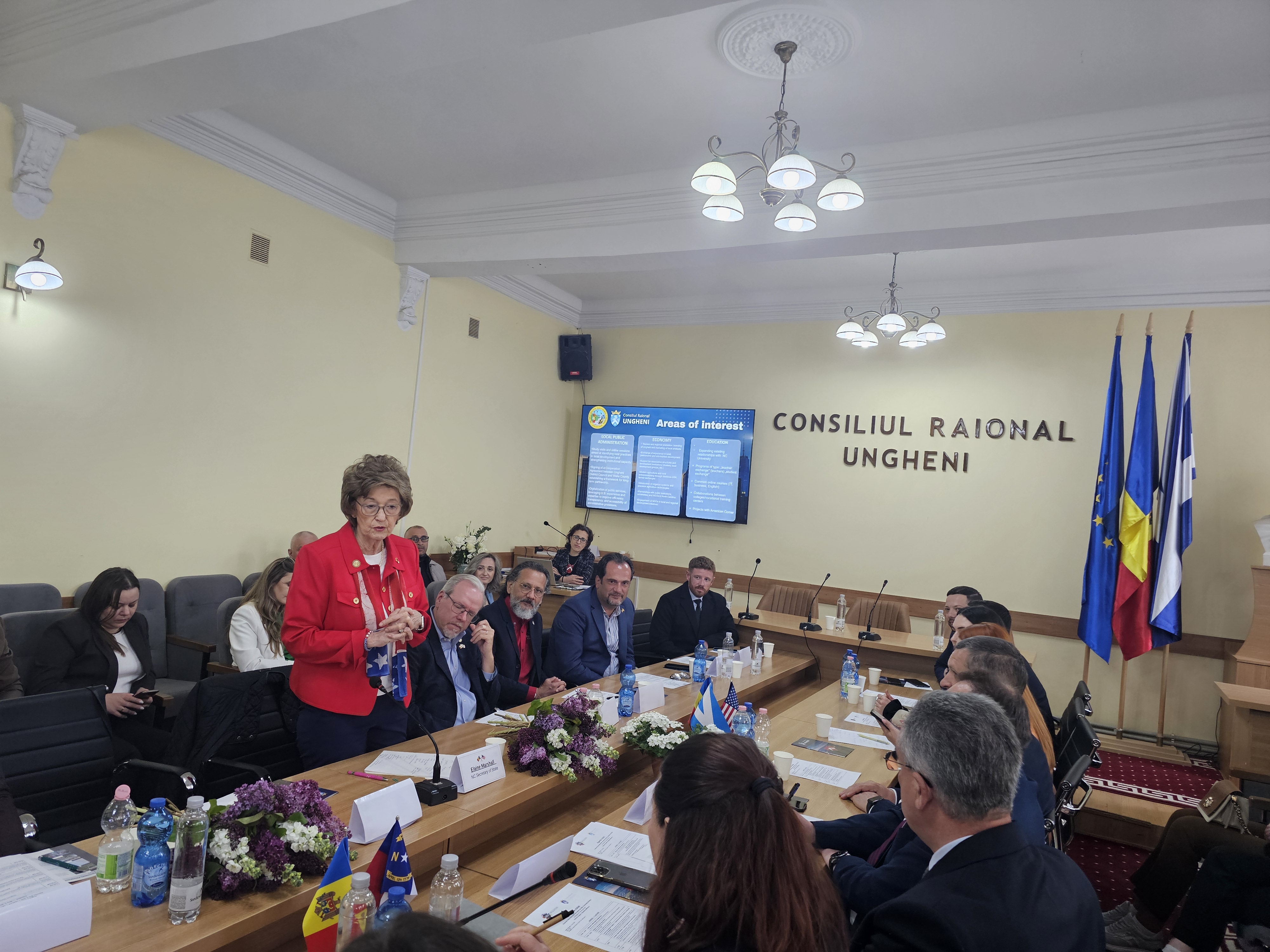
The focal point of the visit was the "Open World Community - Perspectives for Collaboration and Local Economic Resilience" meeting. The tone of the assembly was set by the speech of Madam Elaine Marshall, who evoked the essence of a relationship that transcends diplomatic formalities:
"This Partnership is not defined by geography, but by people. Every time we return to Moldova, we find the same warmth, the same openness, and the same sincere desire to build together. What has been created in these 27 years is not just institutional cooperation — it is an authentic relationship between communities, universities, entrepreneurs, and people who believe in a common future."
Looking to the future, Madam Marshall emphasized the role of young people as the primary resource for development, noting that when agriculture, technology, and community development become careers that provide dignity, regions become exponentially more resilient.
The Voice of Local Communities: Ternovschi’s Vision for "Collective Courage"
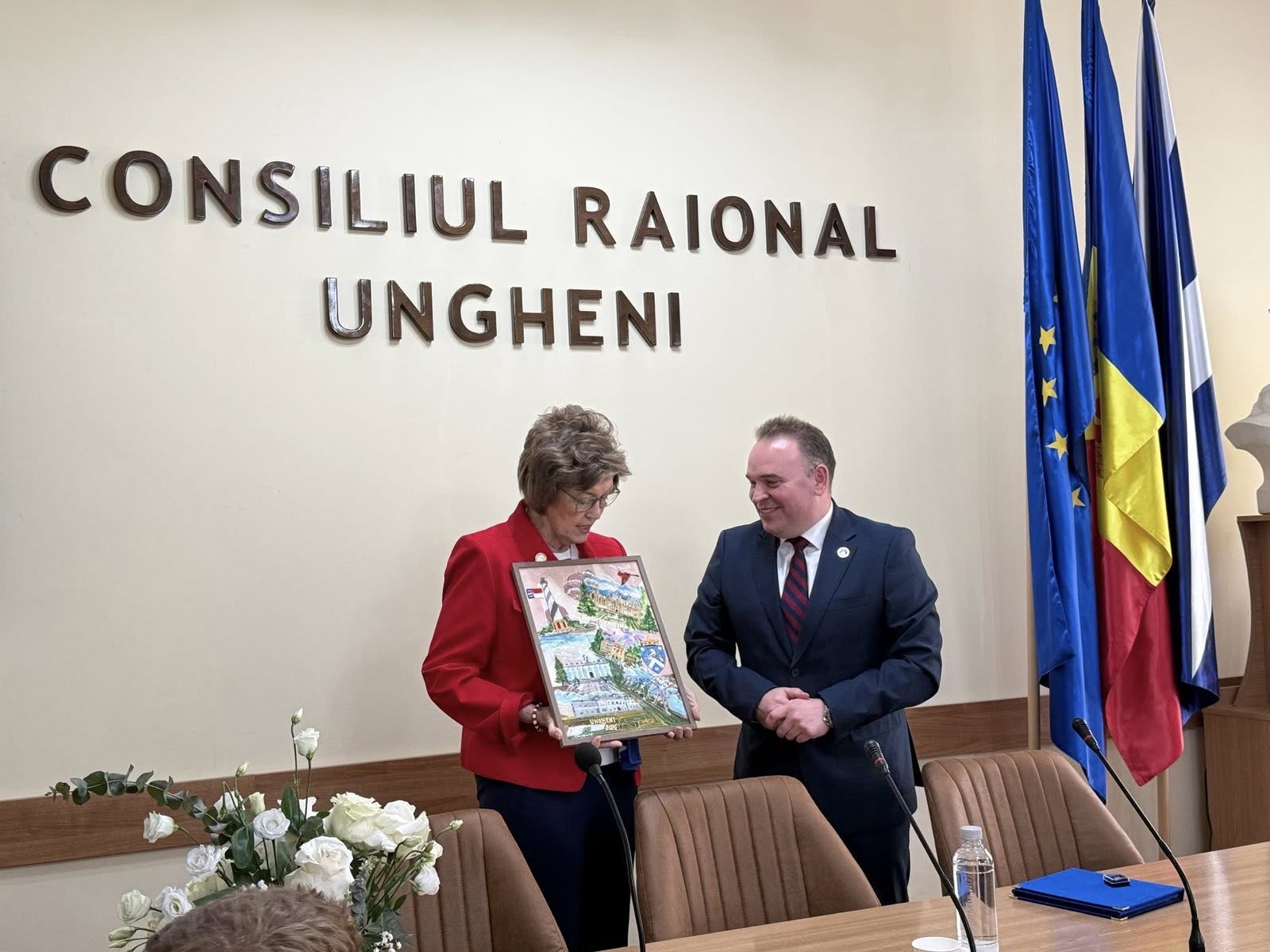
Beyond protocols, the conversation shifted toward the real-world impact on the people of the region. Dionisie Ternovschi, President of Ungheni District, articulated a vision of the district as a sovereign hub of innovation, moving beyond the role of a passive beneficiary to become a primary architect of its own progress.
"Today we are not just marking an official visit; we are honoring a relationship built over decades by people who dared to believe that a shared pulse of expertise could ignite a total transformation of our social and economic fabric," Ternovschi stated. "For Ungheni, this alliance has provided more than just a blueprint; it has given us the 'Innovation Courage' and the collaborative architecture to move beyond incremental change. By integrating North Carolina’s strategic models, we have found the heartbeat of our own regional development, empowering us to design a future defined by unprecedented audacity."
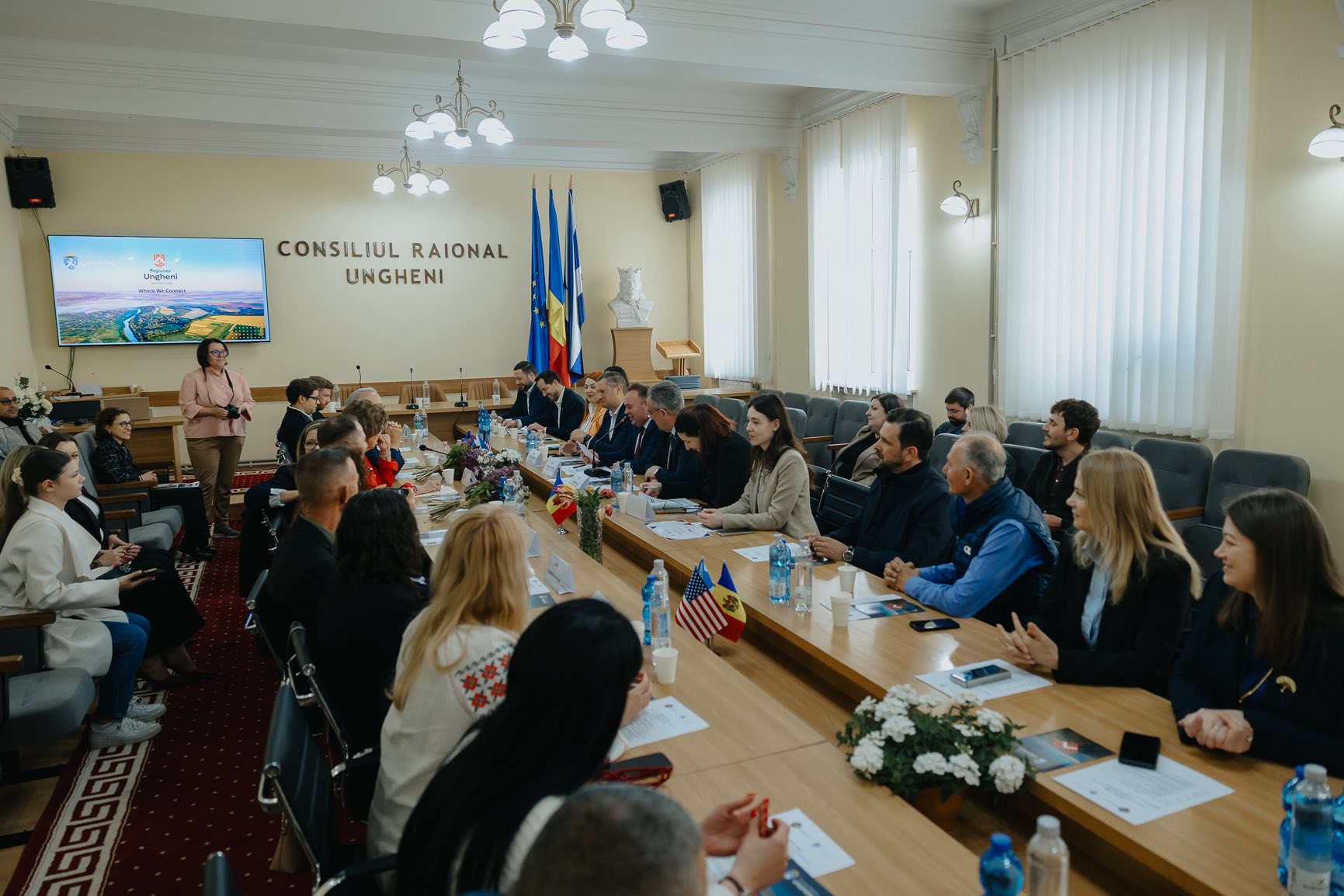
Ternovschi’s intervention deepened the dialogue by framing the partnership as an act of collective courage by engaging through a deliberate willingness to move beyond traditional administration toward a sophisticated, innovation-driven governance model. By institutionalizing the Quintuple Helix framework (as referenced by RDA North leadership), the district now breathes life into a complex synergy of governance, research, industry, civil society, and environmental stewardship. This commitment to a living, collaborative infrastructure positions Ungheni as the premier testing ground for the Republic of Moldova’s transition toward a resilient, knowledge-based economy.
Three Decades of Living Networks: Collaborative Ecosystems in Action
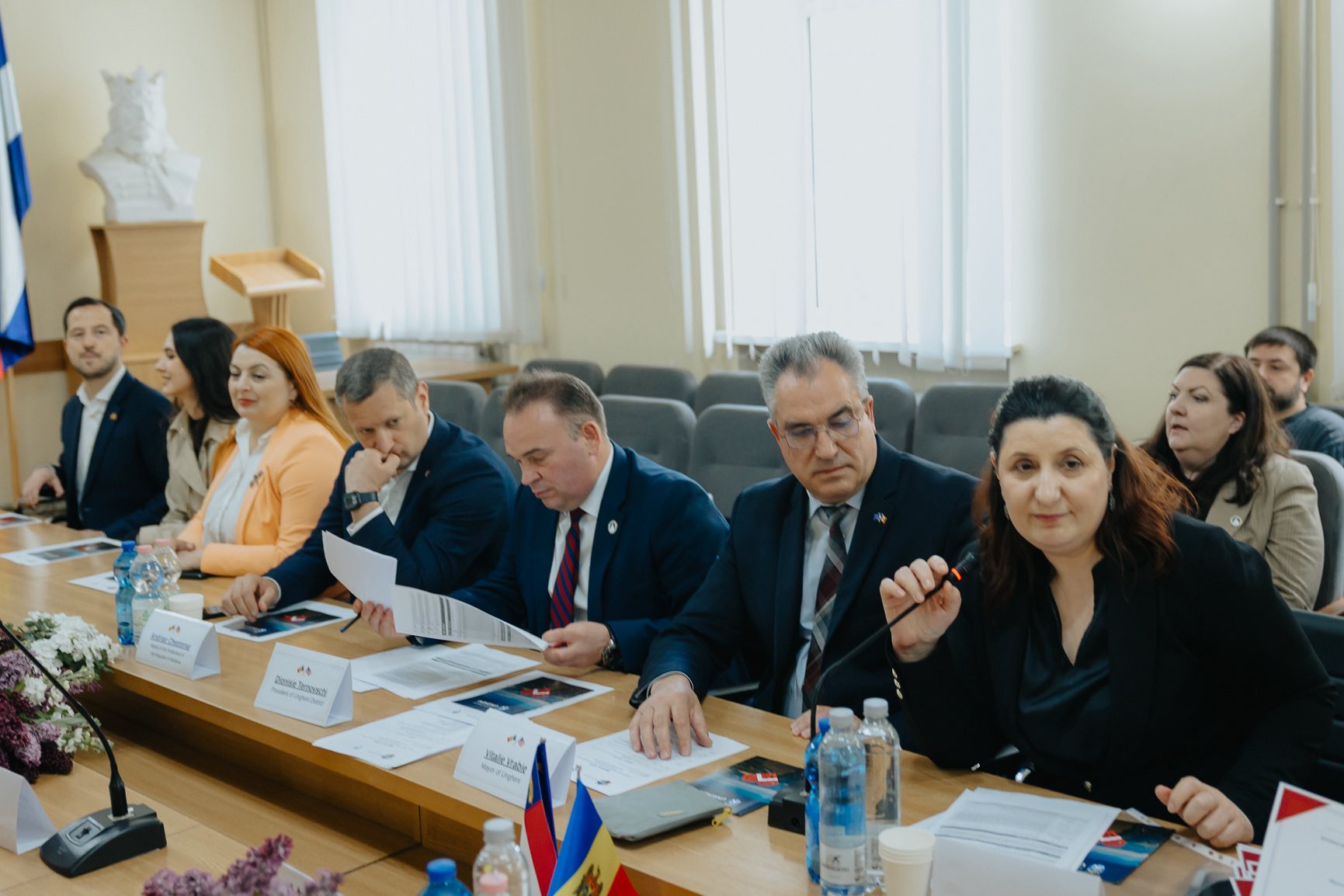
The summit underscored the profound strength of the human capital networks cultivated since the partnership's inception. Marina Lița, General Manager of GEN Moldova, captured this reality as the tangible byproduct of a long-term strategic vision.
"In this room, we are witnessing the dividends of nearly three decades of steadfast, intentional relationship-building," Lița observed. "We see entrepreneurs, municipal leaders, and educators who have not only participated in international knowledge exchanges but have returned home to co-create real, sustainable initiatives for their communities. This is the authentic definition of local resilience: a deliberate choice by leaders to build in unison."
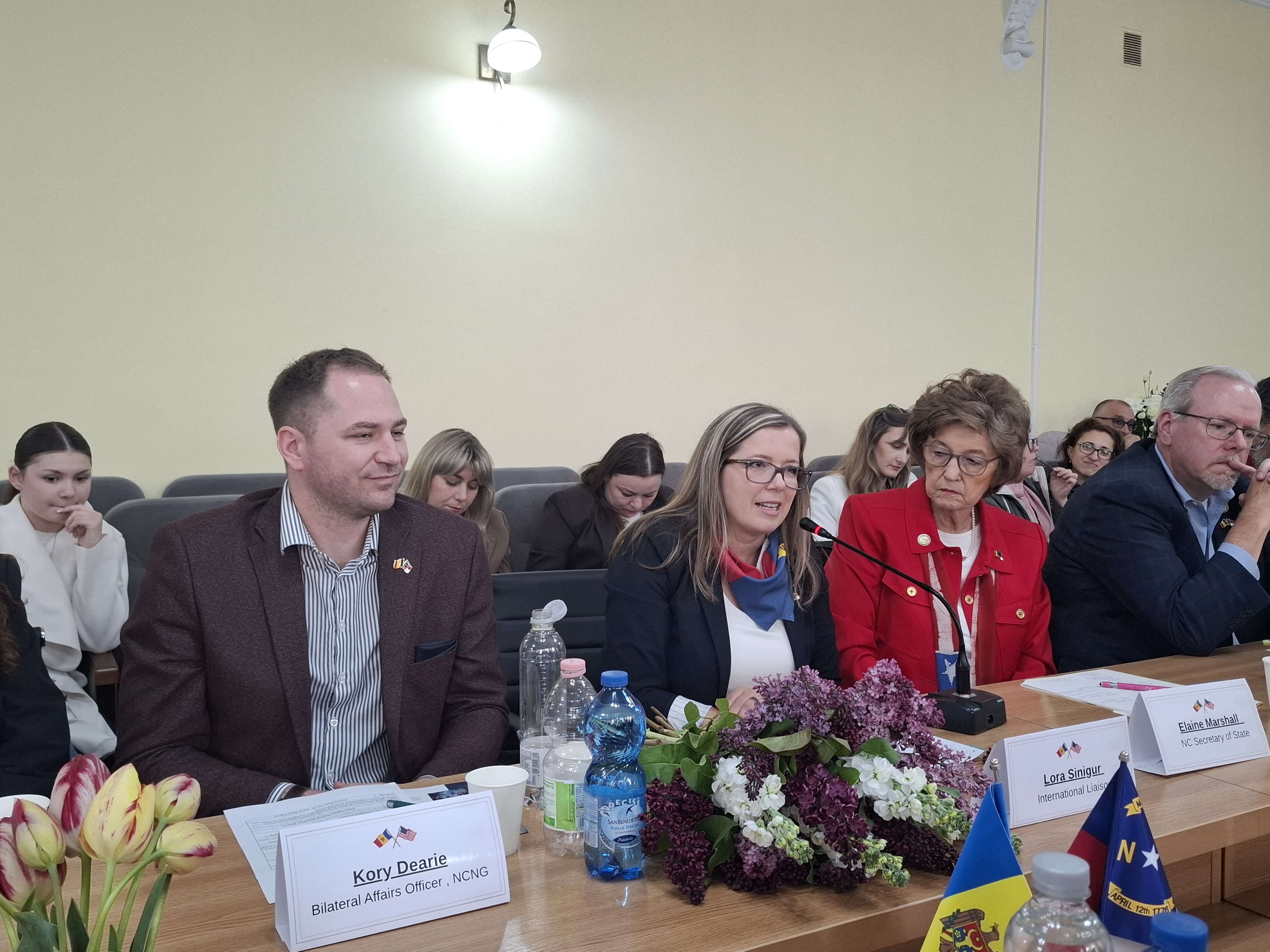
This sentiment was expanded upon by Lora Sinigur, International Liaison, who emphasized that modern regional sovereignty is built through high-functioning ecosystems.
Sinigur noted that sustainable development is effectively "engineered" through the active, multi-layered cooperation between civic society, public administrations, and academic institutions—the vital components of a resilient economic fabric.
This ecosystem approach found immediate validation in the testimony of Olga Luchian, President of the Ștefan Vodă District. Luchian highlighted that the North Carolina partnership has successfully catalyzed a new "culture of interregionalism." By breaking down traditional administrative silos, the partnership has empowered districts to co-create joint projects that transcend local borders, establishing a unified economic front within the global entrepreneurial landscape.
Impact on the Entrepreneurial and Regional Environment: Shifting Mindsets
The private sector and regional stakeholders confirmed the utility of the partnership. Vasile Sidor (OviCaprin Cluster) spoke about the change in mentality that direct contact with American leaders produces, providing the "courage to try different development models."
A concrete example came from the Mayor of Sireți, Leonid Boaghi, who presented a pilot model of Agricultural Extension Services with potential for national replication. This perspective was complemented by Artur Mija, an Open World alumnus, who viewed the partnership as a successful model of "community diplomacy" that produces sustainable human capital.
The Sustainability Synthesis: Merging Agritech Innovation with Environmental Stewardship
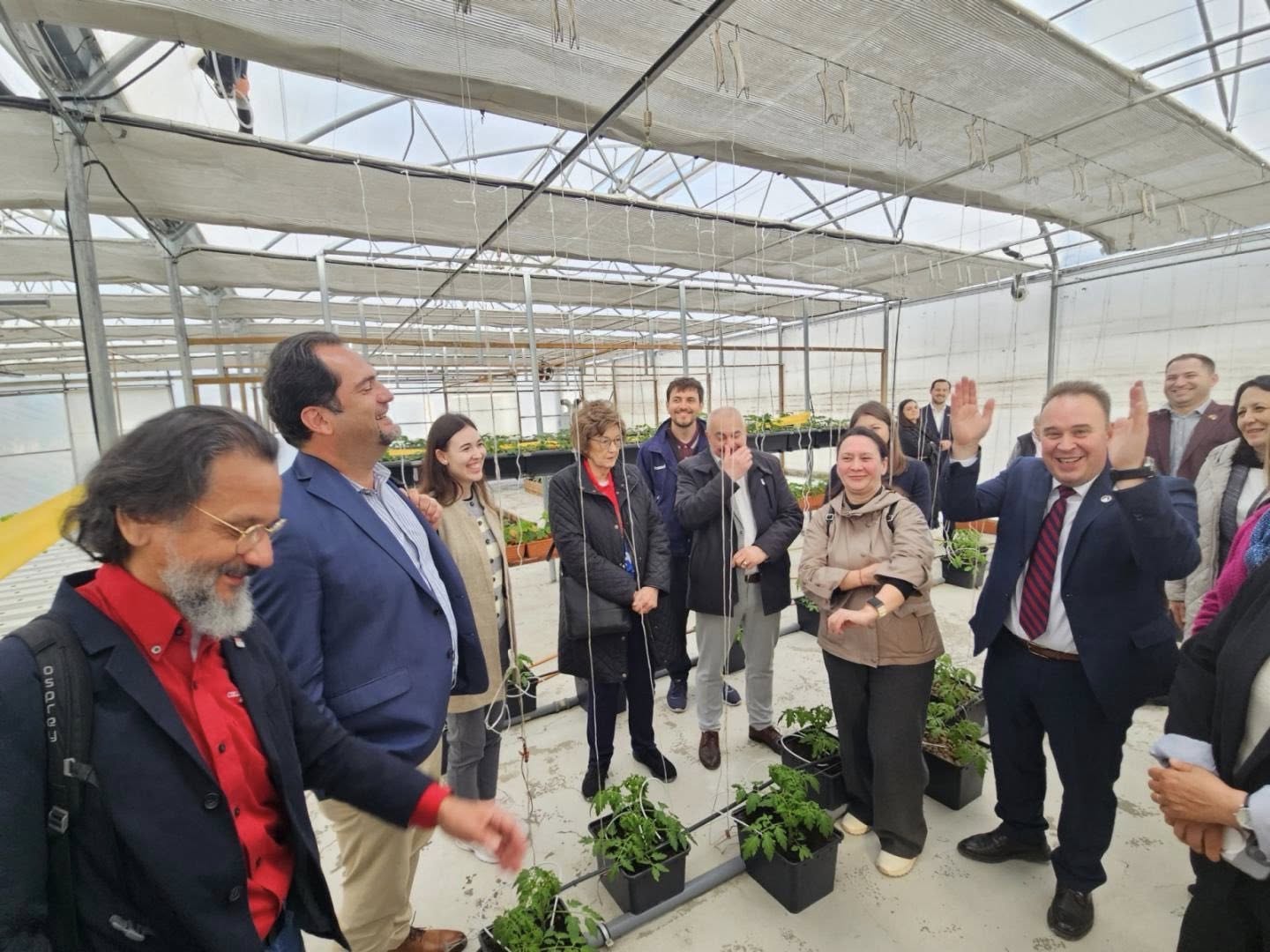
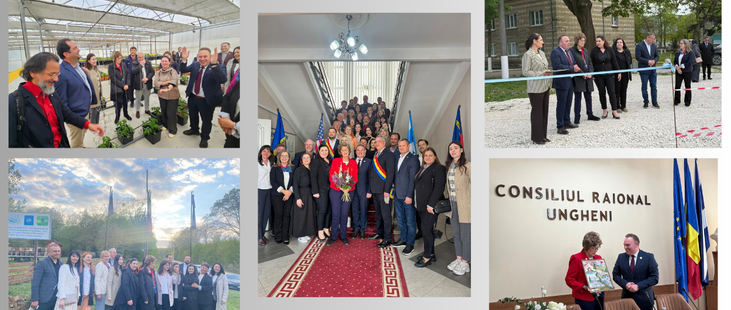
The visit transitioned from high-level dialogue to the active implementation of the partnership’s core tenets, moving through site visits that showcased the practical dividends of regional resilience. At the Ungheni Educational Center, the delegation inaugurated a new pickleball court, serving as an investment in social infrastructure that reflects the vital human dimension of the alliance and a commitment to communal well-being.
The momentum of regional modernization was further solidified during a visit to the Ungheni Agroindustrial College. Here, representatives from North Carolina State University (NCSU), Chadi Sayde and Jose Cisneros, outlined strategic perspectives for the establishment of a Regional Agritech Innovation Hub. This initiative is designed to transform Ungheni into a premier nexus for smart agriculture and international academic collaboration, ensuring that the shift toward a knowledge-based economy remains anchored in ecologically sustainable practices.
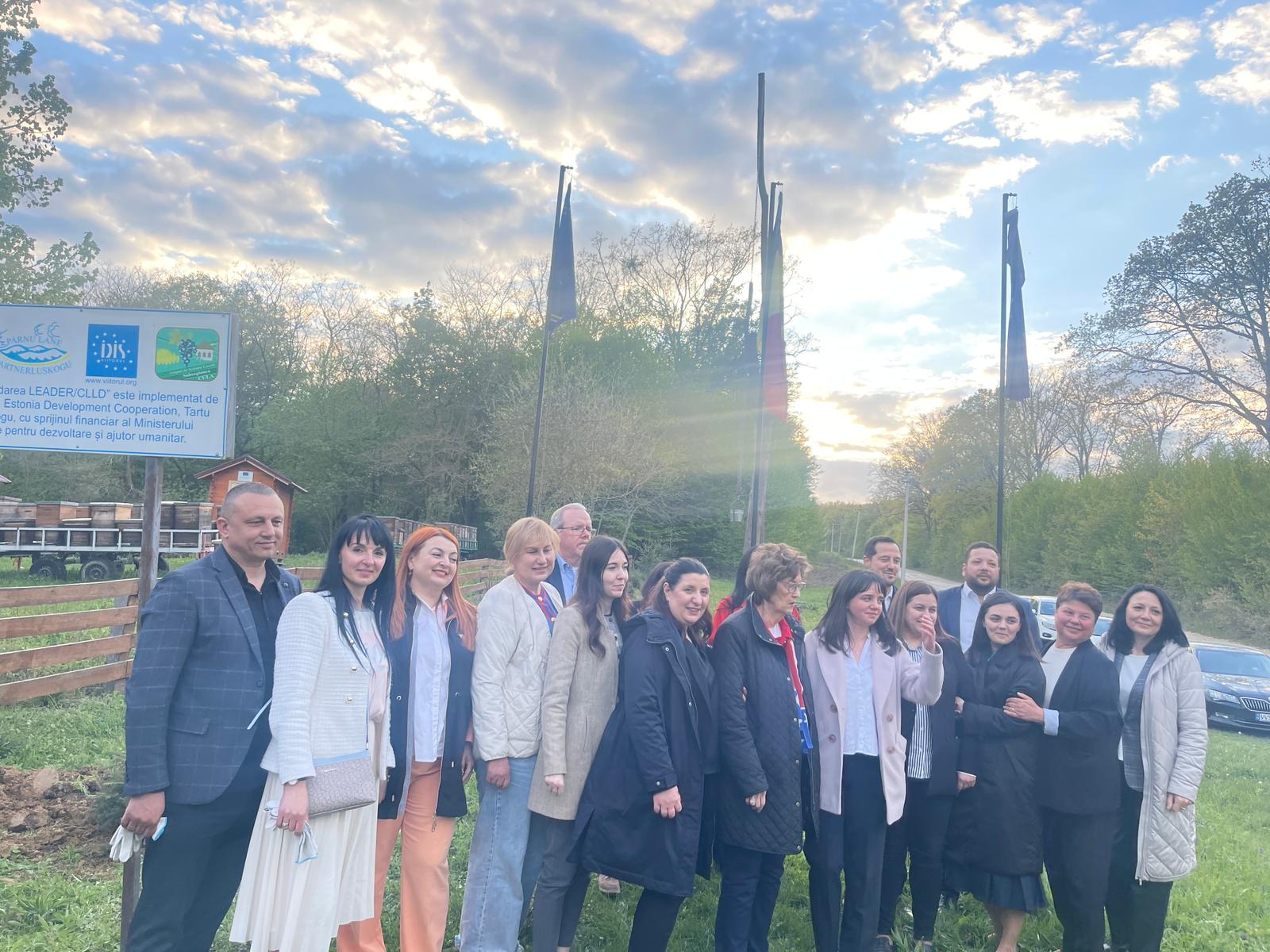
The mission culminated at the "Beech Plain" (Plaiul Fagului) National Reserve, where the delegation engaged in a symbolic alignment of policy and practice. By participating in a tree-planting ceremony, leaders transitioned from discussion to direct stewardship. This common effort served as a vibrant testament to the enduring friendship and the shared dedication to environmental sustainability—a cornerstone of the Moldova–North Carolina alliance that ensures the partnership's growth is both generative and enduring.
About GEN Moldova
GEN Moldova is a vital node of the Global Entrepreneurship Network, dedicated to removing barriers to entrepreneurship. Through strategic regional advocacy and global connectivity, GEN Moldova empowers leaders to build resilient, innovative, and competitive economic ecosystems.