




PANEL DISCUSSION AND SUSTAINABLE FASHION SHOW HIGHLIGHT
Day 4 began with a welcome statement from the host, the communications lead at Innovation SL, giving an overview of GEW activities. The debate featured the moderator, Mr. Francis Stevens George, the MD of Innovation SL and Global Entrepreneurship Network Sierra Leone GEN SL, and esteemed professionals representing various components in the entrepreneurial ecosystem; Madam Ajara Marie Bomah from Launchpad Africa, Mr. William Conteh from International Finance Corporation, Papa Njai from the Milton Margai College of Technology, Mr. Bashir Idriss from Limkokwing University, Mr. Melvin Foray from Small Medium Enterprises Development Agency SMEDA, and Mr. Richard Musinguzi from United Nations Development Programme UNDP.
Moderator's Opening:
Mr. George, the moderator, highlighted a shift in Sierra Leone's entrepreneurial landscape over the past seven years. He emphasized the growing involvement of private organizations alongside development partners in supporting entrepreneurship. The moderator outlined the diverse components of the ecosystem and its composition of an enabling environment to financial and human resources. Mr. George underscores GEW as a gathering for smart, innovative thinkers to share insights on ecosystem development. The carefully selected panel deliberately represents various facets, not just from the government but also inclusive of development partners, ensuring a well-rounded perspective.
Panel Insights:
Madam Ajara Marie Bomah (Launchpad Africa): Launchpad Africa focuses on identifying gaps in the entrepreneurial ecosystem, offering micro-programs, and providing access to funds for program participants. Madam Bomah emphasized the challenges faced by women in business and how Launchpad addresses financial literacy gaps.
Mr. Williams (International Finance Corporation): IFC concentrates on investment and financing solutions for the private sector. Mr. Williams highlighted the IFC's role in supporting businesses during the growth stage and discussed the importance of private sector development for sustainable job creation.
Papa Njai (Milton Margai Technical University): Papa Njai expressed concern about the lack of emphasis on entrepreneurship in academic institutions in Sierra Leone. Milton Margai has introduced short professional courses to address specific career needs and collaborate with businesses.
Mr. Idriss (Limkokwing University): Limkokwing University focuses on changing mindsets by training students to be innovators and entrepreneurs. Mr. Idriss highlighted the importance of building a foundation for students to become both graduates and employers.
Mr. Melvin (SMEDA): SMEDA, a government entity, was established to create an enabling environment for small and medium enterprises. Mr. Melvin discussed SMEDA's strategic plan, including the SMEs observatory, with over 10,000 registered SMEs, reflecting the diverse sectors in the ecosystem.
Financial Landscape in Sierra Leone:
Mr. Williams shed light on the misconceptions surrounding financing for entrepreneurs in Sierra Leone. He emphasized IFC's focus on raising finances and collaboration with organizations like Innovation SL and Creative Hub Africa.
Mr. George asked the panelists to share the weaknesses in our emerging ecosystem and how these issues can be addressed, and each panelist shared their insights on the weaknesses of the ecosystem and how they can be addressed.
Mr. Richard identifies a continental issue within the ecosystem: the lack of proper coordination in the renewable energy sector due to numerous players. Additionally, commercial banks lack sufficiently responsive products crucial for the ecosystem. To address this, it is vital for banks to develop products aligned with the needs of those they support in capacity building. Furthermore, there's a gap in products accessible to women and youth-led businesses. Mr. Richard emphasizes the necessity of enhancing viable and responsive products that entrepreneurs can readily access as part of their capacity-building efforts.
Mr. Melvin from SMEDA, said that to address these weaknesses in our emerging ecosystem and find solutions to them, we should begin with policy: Are our policies aligned with the evolving needs of the ecosystem? He strongly believes it's crucial to reassess and enhance key policies, including the SME Policy (possibly incorporating Start-ups and Entrepreneurship), Investment Policy, Manufacturing Policy, and more. Research and data to support our stance should be derived from periodic and targeted research themes. This echoes Mr. Foray's insights from SMEDA.
Mr. Idris Bashir from Limkokwing University commented on how to support Small and Medium Enterprises by analyzing their services and products, diagnosing problems, and providing solutions. He also highlighted the need for skilled individuals in electrical engineering and mechanical engineering to manufacture high-quality products. He proposed building small-scale manufacturing companies and teaching technical skills to address these challenges.
Papa Njai of Milton Margai Technology College emphasizes institutional growth through strategic partnerships with like-minded entities. He suggests expanding collaboration beyond UNDP, SLEDP, and the World Bank to enhance the institution's reach and impact.
Mr. William notes that entrepreneurs in Sierra Leone face challenges with restricted access to international financial institutions due to high-interest rates, short loan terms, and stringent collateral requirements. His advice is to start with small-scale endeavors, focusing on product value and quality and cultivating the right attitude. Mr. William emphasizes that although limited financing may persist as an issue, addressing challenges faced by micro-businesses is essential.
Madam Ajara Bomah underscores the pivotal role of the agricultural sector in supporting financial institutions to comprehend the entrepreneurial ecosystem. She emphasizes the significance of proper data for exponential growth and the need for intercontinental collaborations to enhance learning within the continent. Madam Ajara emphasizes the need for intentional and strategic policy formulation and system development to advance the entrepreneurial ecosystem. She concludes by advocating support for organizations that contribute to business development in the ecosystem.
SUSTAINABLE FASHION SHOW
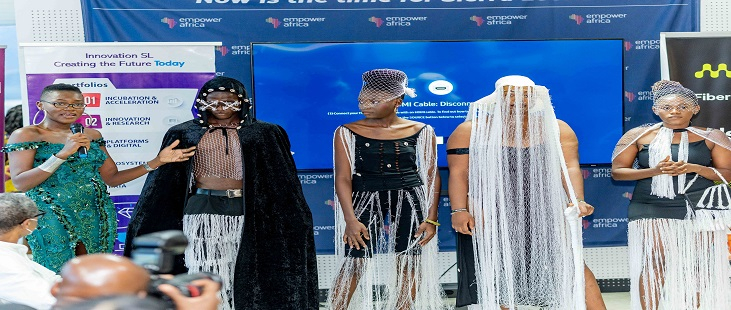
The event ended with a Sustainable Fashion Show in partnership with the Limkokwing Fashion School, Bluecrest Fashion School, and Vivid Emporium Africa. The models displayed awe-inspiring designs that emphasized the importance of sustainability in Sierra Leone's fashion industry. The Managing Director of Innovation SL shared a vision of a future where all products proudly represent the excellent craftsmanship of Sierra Leone. The week closed with a networking session and a vibrant cocktail party, commemorating the entrepreneurial spirit.
Global Entrepreneurship Week 2023 in Sierra Leone was a remarkable experience of inspiration, networking, and acknowledgment. The event highlighted various aspects of entrepreneurship, such as fostering education, promoting inclusivity, empowering women entrepreneurs, evaluating the ecosystem, and embracing sustainability in the fashion industry. As Sierra Leone continues its journey in entrepreneurship, the collaborative efforts and valuable insights gained during GEW 2023 have paved the way for a vibrant and all-encompassing entrepreneurial ecosystem.