



Under the theme ‘Entrepreneurship is for Everyone,’ the GEW aims to build a comprehensive ecosystem that promotes, empowers, and facilitates entrepreneurship inclusively. The Sunday Morning Business spoke to the GEW team in Sri Lanka to discuss the programme ahead.
GEN Global National Ambassador for Sri Lanka Suresh de Mel:
As GEN Global’s National Ambassador for Sri Lanka, what are your perspectives on the GEW?
GEN connects, understands, supports, celebrates, and empowers entrepreneurs in many countries and communities around the world, especially those who face structural and cultural barriers or who may have never considered the opportunities that come with entrepreneurial endeavours.
GEN operates a platform of programmes in over 200 countries aimed at making it easier for anyone, anywhere to start and scale a business. By fostering deeper cross-border collaboration and initiatives between entrepreneurs, investors, researchers, policymakers, and entrepreneurial support organisations, GEN works to fuel healthier start and scale ecosystems that create more jobs, educate individuals, accelerate innovation, and strengthen economic growth.
The GEW was started in 2008 as the largest celebration of entrepreneurship in the world. Each November, during GEW, 10 million people take part in tens of thousands of activities in over 200 countries, through competitions and events that inspire them to act and provide knowledge, experience, and connections they need to succeed.
ICTA Associate Chief Digital Economy Officer and Hat Off GEW Ambassador Sachindra Samararatne:
Could you elaborate on the GEW programme and its significance in Sri Lanka?
In 2022, we recognised the need for a nationwide initiative to inspire entrepreneurship and spread awareness across the country. The Information and Communication Technology Agency of Sri Lanka (ICTA) has signed a Memorandum of Understanding (MOU) with GEW to host it in Sri Lanka for three years.
With a lower entrepreneur density, Sri Lanka has significant potential to develop new entrepreneurs. Southeast Asian countries, on average, have over 10% entrepreneur density, fuelling job creation, industry innovation, and economic growth.
For Sri Lanka, GEW is key to mobilising the entrepreneur support ecosystem and collaborating with multiple partners. GEW’s purpose is for partners to organise their own events within this specific week, highlighting the diversity and vibrancy of Sri Lanka’s entrepreneurial ecosystem.
GEW activities cover a wide range, from showcasing entrepreneurs and programmes to sharing success stories, lessons from failures, policy highlights, educational initiatives, and programmes aimed at inclusivity. This year’s theme, ‘Entrepreneurship is for Everyone,’ aims to reach all sectors of society – such as people with disabilities and those across all districts – in multiple languages, broadening awareness and support for entrepreneurship in Sri Lanka.
What are the main themes of GEW for this year?
The theme focuses on four main areas: inclusivity, ecosystem, education, and policy.
Similar to how digitalisation is meant to benefit everyone, an inclusive entrepreneurship ecosystem must lower barriers for everyone. For instance, entrepreneurship education should be available to all schools, not just those in urban areas. This is an opportunity to work with the Ministry of Education to develop an entrepreneurship and financial literacy curriculum for all schools.
Programmes such as incubations and hackathons often occur in city areas. A key question is how we can partner to bring these programmes to every district, not just those in the Western Province.
Funding access is another focus, ensuring investment opportunities and bank loans are accessible to entrepreneurs across the country without bias. For example, addressing any gender-based disparities in loan approval for female entrepreneurs is essential. Another focus is market access, with efforts to support all regions, especially through programmes that foster export readiness.
The purpose of GEW also includes spotlighting areas for improvement, proposing new policies, and refining existing ones. This is a time to initiate needed discussions, and we hope that media and social platforms will help amplify these conversations, creating recommendations for both Government and private sector action.
GEW serves as an annual benchmark, helping us reflect on our ecosystem’s progress as we are compiling a list of last year’s programmes to track how many startups and potential entrepreneurs have been supported. Next year, we aim to compare this data to demonstrate our growth. GEW offers a vital opportunity to reflect on our ecosystem, measure our progress, and steer us on a path forward.
GEW Programme Director Abith Latiff:
What initiatives are planned to be undertaken by GEW this year?
GEW focuses on four core areas: education, ecosystem, policy, and inclusion. Organisations wishing to partner must address at least one of these areas, although ideally, they would engage with all four.
Inclusion is especially emphasised, and while there are no strict topic limitations, addressing at least one of these focal points is essential for recognition. Inclusivity is key this year, and GEW is placing particular emphasis on female entrepreneurship as well. The unique aspect of GEW is its broad appeal, as it engages people beyond the tech startup realm and unites diverse projects, aligning them with other key initiatives.
The GEW is powered by Mastercard with XpressJobs as the Recruitment Partner and PickMe as the Mobility Partner.
To engage all communities, we organise designated days for schools, universities, community builders, corporations, and multinational companies. Our role is to act as a catalyst, empowering partners to organise events while providing necessary support.
Last year, we had around 60 partners and this year, we aim to reach 100, with each organising unique events. GEW serves as a platform connecting those who need resources with those able to provide them, whether venues or speakers.
What are the benefits of the programme?
One featured programme, ‘Spotlight on Entrepreneurs,’ invites prominent local entrepreneurs to share their journeys, inspiring many.
While a decade or so ago, common career aspirations focused on professions, today, entrepreneurship has become a new aspiration, which is crucial in developing countries. Imagine if students could identify a market need early on, collaborate with peers, and develop a product by graduation. GEW facilitates access for such possibilities.
GEW’s playbook outlines over 100 engagement activities, empowering ecosystem partners to work collaboratively toward the shared goal of promoting entrepreneurship. Specific benefits vary depending on the organisation. For universities, a standout advantage is the submission of an annual report to the global body, which ranks universities based on their contributions, promoting healthy competition.
Last year, we had 65 partners, including 12 universities, covering 20 districts with 10,000 participants and over 160 activities. This year, we aim to engage all 25 districts, increase partner universities to over 20, and reach a target of 200 events. Last year, Sri Lanka achieved top 10 global recognition, a significant achievement when compared to other countries with larger populations and higher Gross Domestic Products (GDPs).
Our primary responsibilities include launching GEW and facilitating district events. We share resources and guidance, and we are involved with planning events in universities such as Ruhuna and Peradeniya, and those in the Eastern Province. This is our only nationwide programme, and while Colombo’s entrepreneurship rate is high, our efforts are now focusing on rural areas, aiming to achieve a 10-15% entrepreneurship density within a few years.
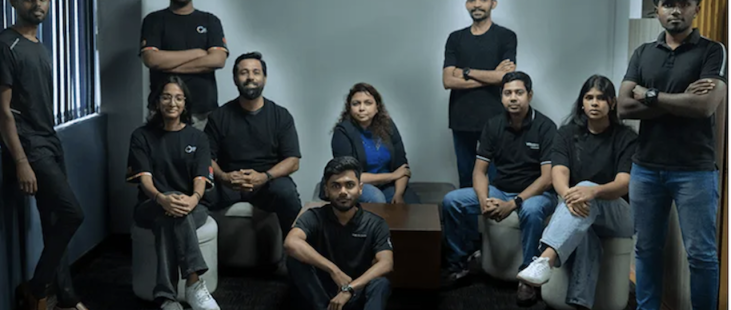
Despite operating with minimal investment and a small team of 10, we coordinate with 100 partners across all 25 districts, providing free training, guidance, and mentorship. Resource persons who typically charge Rs. 250,000 per session have generously offered their services free of charge, enabling us to help without financial strain.
What are the challenges faced by GEW?
From the beginning, there have been challenges, particularly in balancing GEW alongside other responsibilities, as we only have about four to five months each year to plan. Investment has also been a challenge. Yet, this is a project fuelled by passion, with many partners helping organise it. With Sri Lanka’s high literacy rate, there is potential for strong growth if governance is effective.
Entrepreneurship is crucial for Sri Lanka’s future. With proper governance, we could generate significant foreign revenue. Success lies in quality, not quantity, because if an idea is strong, there are ways to develop it. For instance, the ICTA Spiralation Programme provides extensive support for ideas. While typical startup failure rates are around 80%, the Spiralation Programme has reversed this, with an 80% success rate thanks to a robust support ecosystem.
What is your outlook for the future?
I believe the future is bright for Sri Lanka with the continuation of these programmes, partly guided by the World Bank and industry experts. For Government support to be effective, processes must be streamlined and barriers reduced, which would empower aspiring entrepreneurs and foster greater collaboration between the public and private sectors.
A World Bank report has emphasised entrepreneurship as essential for a growth mindset in developing countries. This represents an opportunity for people across industries – IT, Small and Medium-sized Enterprises (SMEs), fintech, and agritech – to connect.
While our entrepreneurship rates are currently low, we are capable of 10-15% growth over the next three years with proper support. Increased investment and improved systems could drive even greater progress.
Personally, I’d like to see more focus on rural and female entrepreneurship as there’s untapped talent that can help move Sri Lanka forward. With resilience, skilled professionals, and high literacy, our country is well positioned for growth.
Last year, at the Global Entrepreneurship Congress in Australia, Sri Lanka was nominated as ‘Rookie of the Year’ and became the runner-up, which is an outstanding achievement. This highlights the fact that Sri Lanka has immense potential.
This year, our goal is to meet or exceed last year’s targets. Despite limited funds, we’ve surprised many countries by connecting with over 50-60 partners. Partners help keep costs low while delivering excellent events. The GEW launch last year was a highlight, especially noted by the CEO of GEN.
ICTA Manager – Industry Development Charith Kandamulla:
What is unique about GEW?
Entrepreneurship activities are extensive, even within the Government, with multiple departments actively engaged. However, these departments often operate independently, without interconnection.
The initiative, however, enables collaboration by empowering individuals to unite and participate in meaningful activities during GEW. Through these structured activities, we introduce new opportunities, leveraging advanced technology and innovative strategies to support and inspire entrepreneurs.
Each year we adapt, aiming to not only foster a sense of hope and resilience in participants but also to equip them with practical skills and knowledge. This approach helps identify new entrepreneurs and draw more talent into this growing network, ultimately increasing entrepreneurial density in Sri Lanka.
What are the specific challenges addressed by GEW?
With regard to challenges, three significant categories can be noted, which are investment, lack of financial literacy, and knowledge on effective business operations.
For instance, certain institutions offer programmes for startups to secure funding for their ideas. However, many people remain unaware of this opportunity, which simply involves approaching these bodies and enrolling in the programme. This lack of awareness, as well as other challenges, are critical factors that GEW aims to address.